There’s something remarkably comforting about stepping out with a camera when your mind feels scattered. You’re not trying to fix anything. You’re just looking. Not judging, not hurrying, not performing. Just noticing light, the quiet shape of a shadow, the way a scene arranges itself without asking you first. And before you even realize it, you’re breathing a little easier.
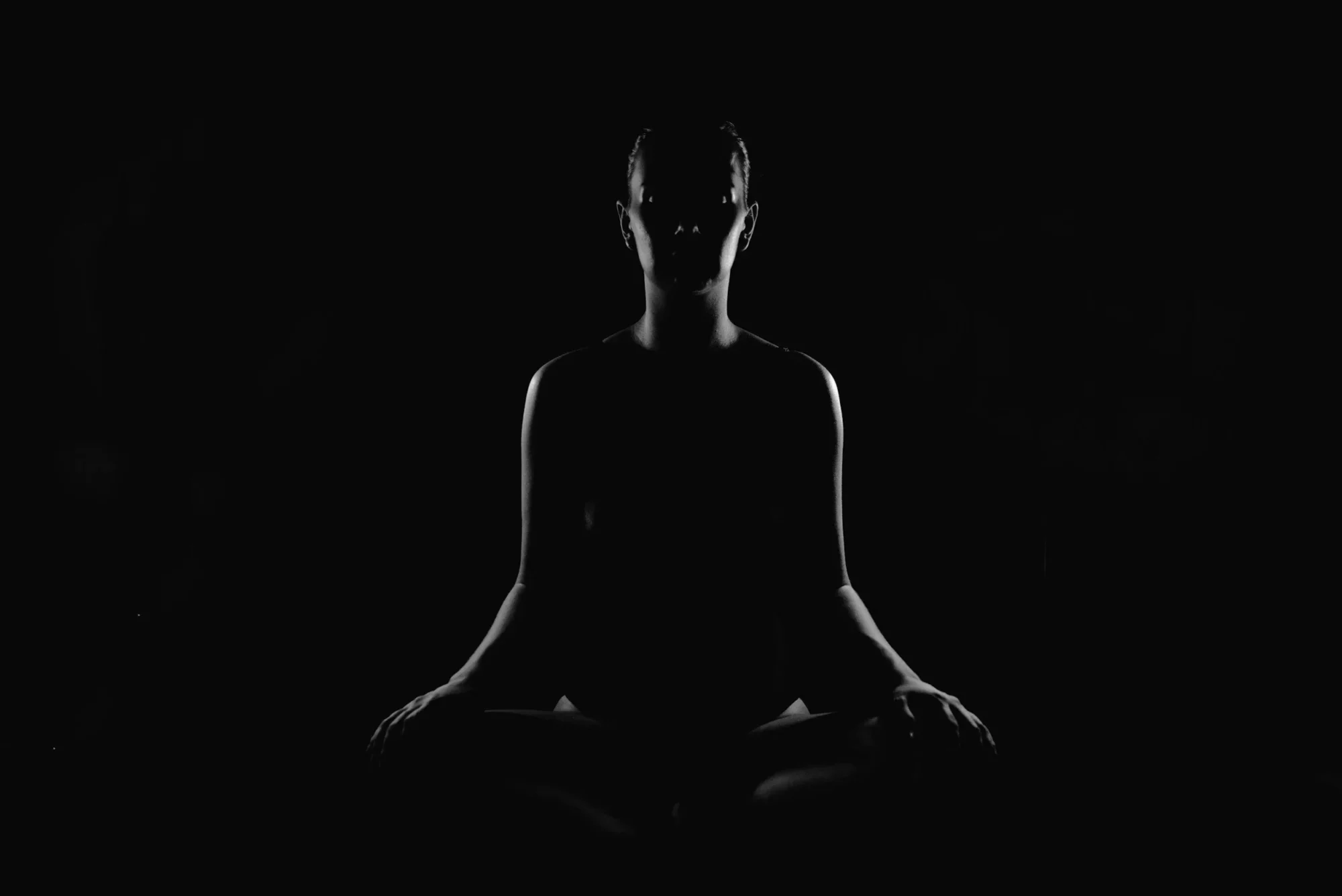
Photography has always had this quiet therapeutic pull. It gives you permission to step outside your head and into the world in front of you. For some people it’s a daily ritual. For others it’s a way to reset after stress. But in every case the act is the same. You lift the camera, frame a moment and something inside you settles.
The reason photography works this way is surprisingly simple. It forces presence. You can’t scroll. You can’t multitask. You can’t live in your inbox. You have to actually stand in one place and look. That kind of focused attention is rare in modern life and it does something gentle but powerful. It interrupts the mental noise. It gives you a moment that belongs only to you.
In monochrome photography the therapeutic effect deepens. You’re not thinking about the colors in front of you which already strips away a layer of distraction. You start paying attention to shape tone texture and mood. You see the world reduced to its essentials which mirrors the inner work many of us are trying to do. Strip away what isn’t needed. Keep the substance. Let the rest fall away. Even the process of editing in black and white has a meditative quality. You’re quieting the image, distilling it, finding the emotional truth rather than the literal one.
Photography also gives structure to wandering. If you’ve ever taken a camera out during a difficult time you know how grounding it feels to simply walk with a purpose however loose that purpose may be. You’re searching for moments not answers. Searching allows you to move forward even when you’re not sure where you’re going in life. There’s comfort in that slow steady motion.
And sometimes the camera becomes a way to express things you can’t put into words. A lonely street corner. A beam of harsh morning light. A figure walking away. These are small metaphors for things you’re feeling but don’t want to say out loud. The photograph holds them for you. It lets you release a bit of the weight.
Most of all photography reminds you to take notice of beauty even in difficult seasons. Not the grand sweeping kind but the quiet beauty hiding in corners. The imperfect kind. The everyday kind. The kind you only see when you’re really paying attention.
If you’re feeling overwhelmed creatively, emotionally or mentally it might help to pick up your camera and step outside. Don’t chase a perfect shot. Don’t think about posting online. Just look. Let your eye lead and your mind follow. The simple act of seeing might be the reset you didn’t know you needed.