Jay Maisel built his reputation on color. Two thirds of what he taught belongs to us.
Jay Maisel died on August 20 at the age of 95, in New York, of cancer. He was one of the last of a generation of American photographers who came up in the 1950s and kept working into their nineties, and even photographers who never knew his name have seen his most famous picture. It is the portrait of Miles Davis on the cover of Kind of Blue, the best selling jazz album ever made.
Seventy years of looking
Maisel was born in Brooklyn in 1931 and studied painting and graphic design at Cooper Union before finishing at Yale, where he studied color with Josef Albers. He turned to photography in 1954, and over the next four decades he shot five Sports Illustrated swimsuit covers and the first two covers of New York magazine, along with advertising work for clients most photographers would recognize. In 1995 he walked away from commercial work altogether to shoot for himself and to teach, which is how most photographers under fifty came to know him.
The Bank
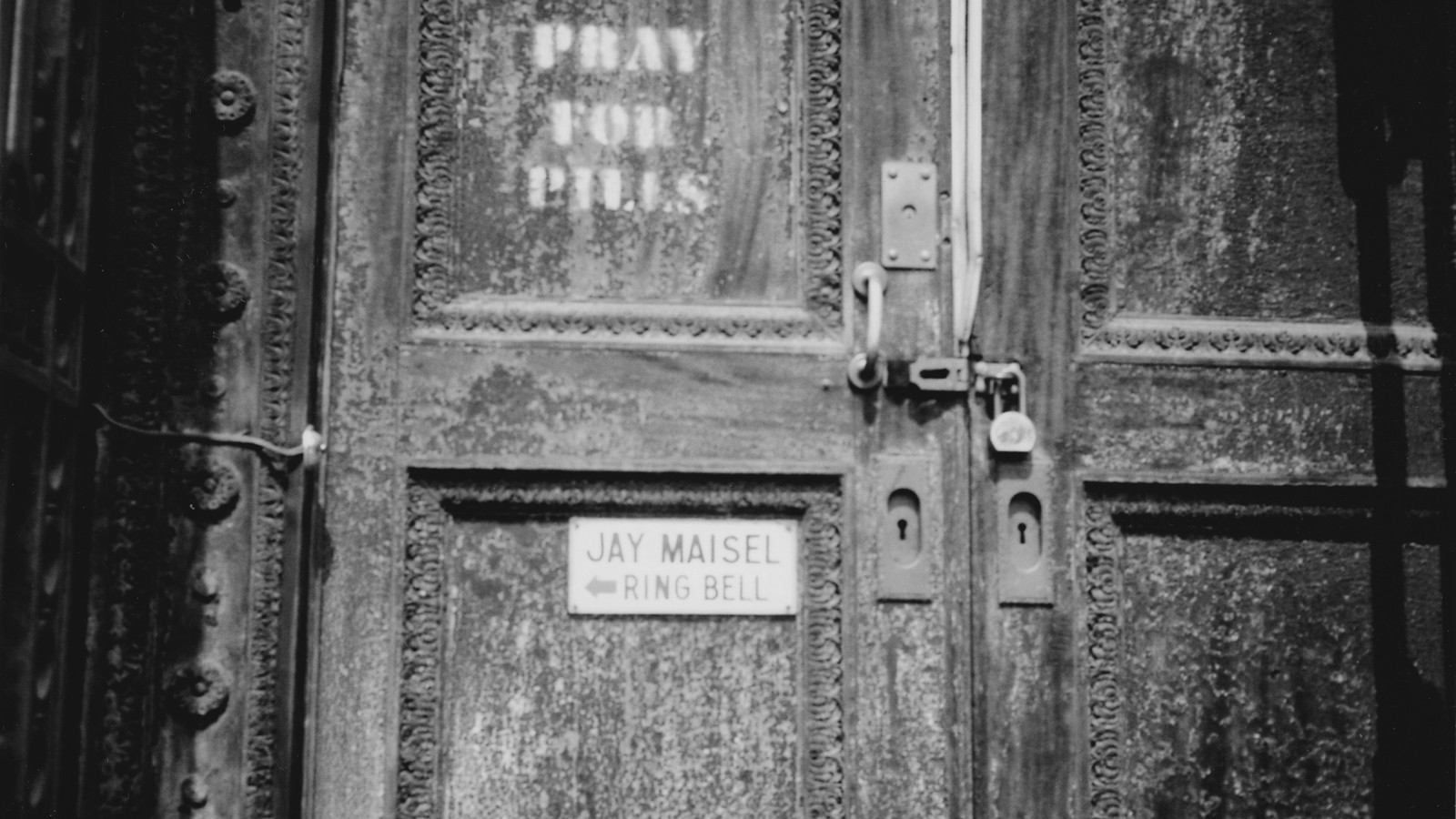
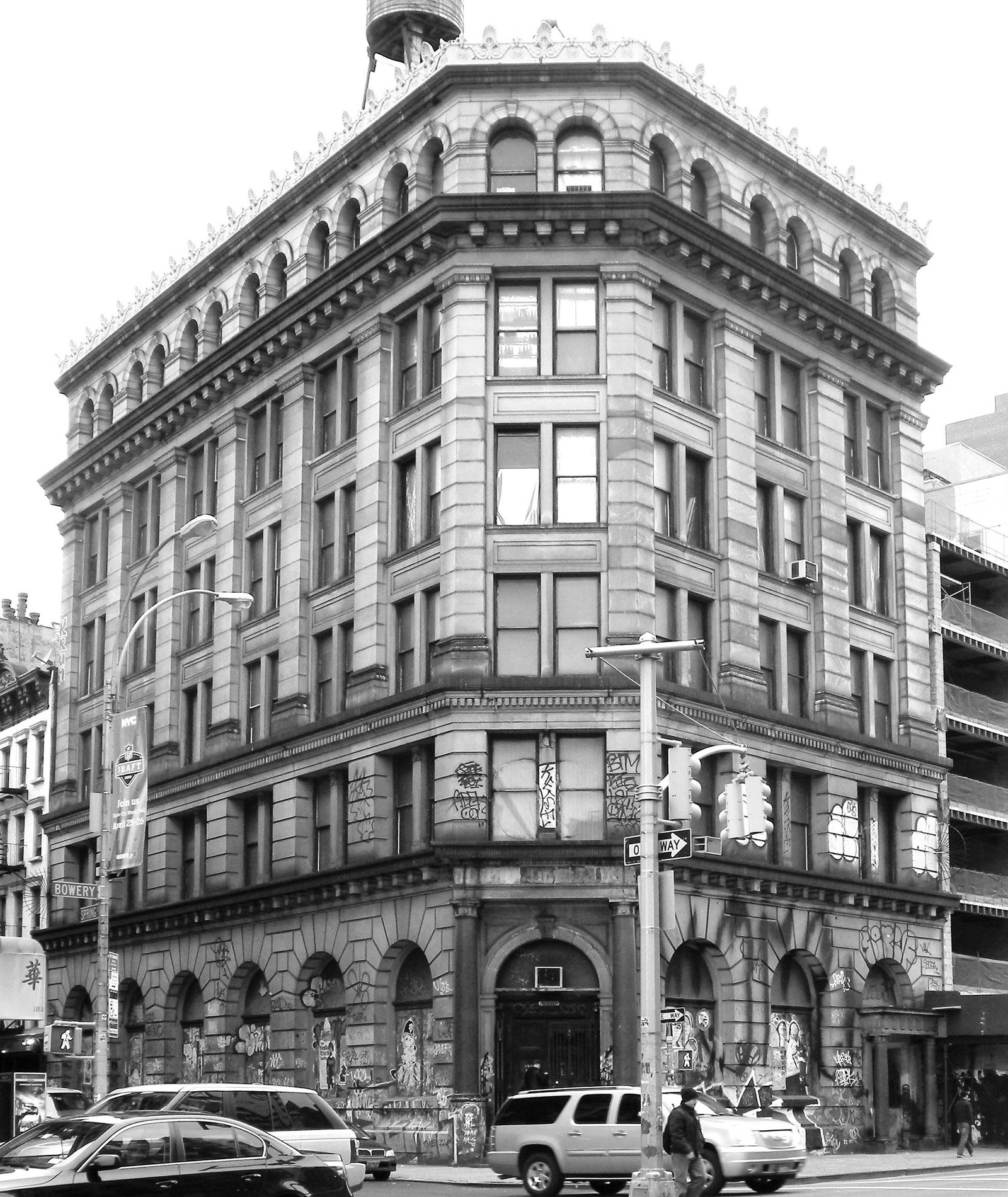
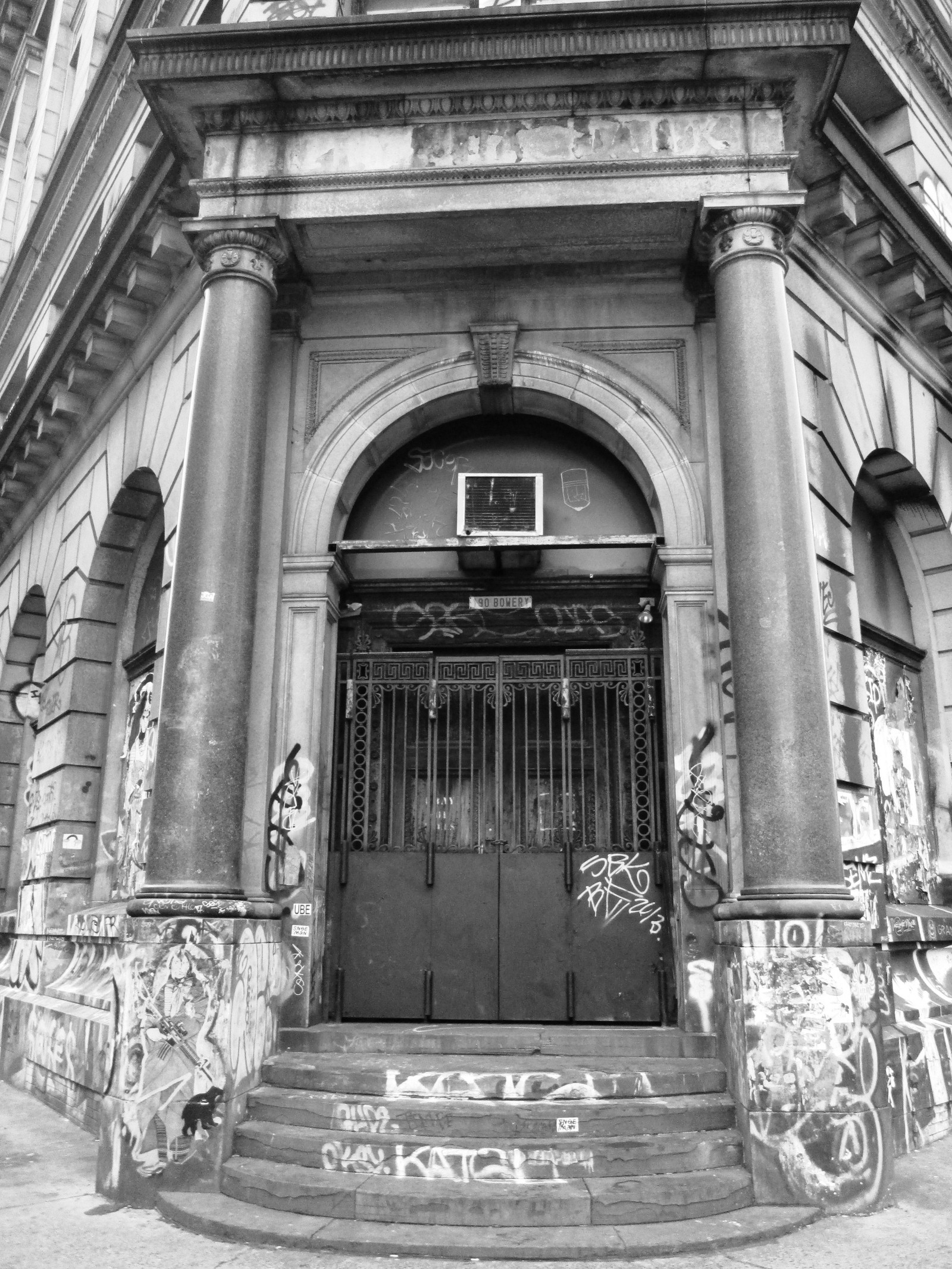
The other story everyone tells about Maisel is the building. In 1966 he bought the old Germania Bank at 190 Bowery for $102,000, when that part of Manhattan was somewhere people avoided. It was six floors, 72 rooms and 35,000 square feet, and he filled it with his family, his studio, his archive and an enormous collection of objects he had picked up on the street. He lived there for nearly fifty years, paying an upkeep that eventually ran to around $300,000 a year, and sold it in February 2015 for $55 million. Stephen Wilkes made a documentary about him and the move, Jay Myself, released in 2019.
Light, gesture, color
Maisel taught out of those three words for decades, and for anyone shooting monochrome, the interesting thing is that two of them are ours entirely. Light is the material we work in. Gesture is the thing that makes a frame feel alive, the turn of a head or the angle of a hand that separates a photograph of a person from a portrait. Take color out of a Maisel lesson and the lesson is still standing, because he was never really teaching people to point cameras at bright things. He was teaching people to look.
His advice was famously blunt. Move your feet instead of zooming. Shoot now, because the light is already changing. Take responsibility for every part of the frame, including the parts you did not notice. He admitted he missed almost every fleeting moment he saw, and he expected photographers to throw away their failures without sentiment. None of that is about color film or digital sensors. It is about paying attention, which is the only real skill any of us are working on.
A blue picture that works like a black and white one
It is worth looking again at that Miles Davis cover with a monochrome eye. The frame is drenched in a single blue, so there is almost no color information doing any work. What carries it is the light falling across Davis and the trumpet, the shape he makes as he leans into it, and the darkness he is surrounded by. Reduce it to gray and it loses very little. That is a useful thing to notice from the man who spent his life arguing for color, and it explains why so much of his teaching transfers directly to photographers who never shoot it.

Maisel kept a camera with him nearly every day of his life and walked the same downtown blocks for decades without running out of things to see. For those of us who go out looking for tone and light rather than color, that might be the most valuable part of what he left behind.
Featured photograph of Jay Maisel by Maurizio Laudisa, CC BY-NC-SA 2.0.