Most photographers spend their early years chasing perfect exposure. The histogram should look “right.” Nothing should clip. Everything needs to be safe and clean and correct. But monochrome photography doesn’t always reward correctness. Sometimes the most compelling black and white images come from intentionally underexposing on purpose, with confidence, and with an eye for mood rather than metrics.
Underexposure isn’t an accident you apologize for. It’s a creative tool you can lean into.
Why Underexposing Works So Well in Monochrome
Monochrome thrives on contrast and tonal simplicity. You don’t have color to help guide the viewer, so you rely heavily on the placement of light and shadow. By underexposing a scene, you’re shifting those tones downward. You’re inviting the shadows to take up more space and giving the highlights permission to breathe instead of blow out.
Underexposure adds four major strengths to black and white photography.
1. It Deepens Mood
Nothing strengthens mood like a little darkness. Underexposure naturally compresses the midtones and softens distracting elements. You’re left with a frame that feels richer, quieter, and more intentional. Street scenes feel more mysterious. Portraits gain gravity. Landscapes lean into atmosphere.
2. It Enhances Shape and Structure
When you push exposure down, the scene becomes less about fine detail and more about the silhouettes and forms underneath. Monochrome is already a study in shape, but underexposure pushes you further in that direction. Suddenly you’re working with bold arrangements instead of surface level texture.
3. It Protects Your Highlights
Monochrome highlights are precious. Once they’re gone, they’re gone. Underexposure gives you room to preserve the brightest parts of the frame and prevents that chalky look that happens when the highlights blow. You can always open up your shadows later if needed, but you can’t recover clipped whites.
4. It Gives You Flexibility in Post
Modern sensors love shadow recovery, especially in monochrome workflows. Underexposing by a stop or so often gives you a flexible RAW file that you can shape exactly how you like. You have the freedom to lift tones with intention rather than fighting back blown highlights.
When Underexposure Makes the Biggest Impact
Underexposing isn’t ideal for every situation, but it shines in a few scenarios.
High contrast scenes
Bright skies, harsh sunlight, deep interiors. When the range is too wide, underexposing helps you maintain your highlights and control the visual hierarchy.
Moody or atmospheric locations
Alleys, subways, foggy mornings, rainy nights. Underexposure lets those environments speak in their natural voice: low, gritty, and cinematic.
Scenes with distracting details
If the background is cluttered, dimming the exposure slightly can simplify the frame and help your subject stand out.
How to Underexpose Intentionally
Underexposing well isn’t guesswork. Here’s a simple approach.
Start with –1 stop
Set your exposure compensation to –1. In most situations, that’s just enough to deepen your tones without burying the shadows. If you want something more dramatic, push it to –2.
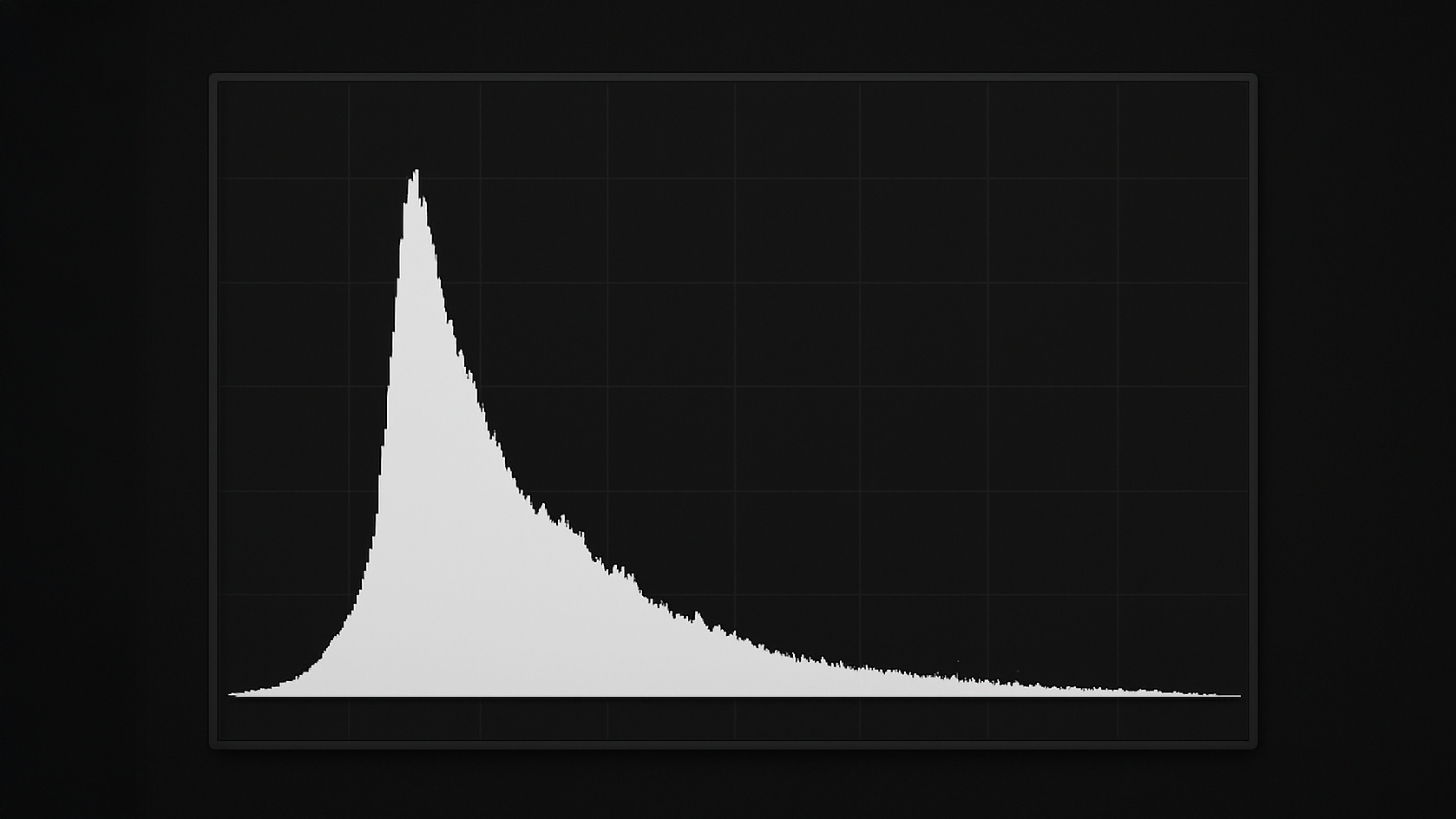
Watch your histogram
Keep your highlights away from the right edge, but don’t worry if the left side dips into shadow. That’s the look you’re going for.
Use your preview as your guide
Modern mirrorless cameras make this incredibly easy. Look at your EVF or screen. Does the image feel moodier, cleaner, more intentional? If so, you’re on the right track.
Shoot RAW
You’ll want the latitude.
Post process with restraint
Lift your shadows only if they need lifting. Sometimes the magic is in the darkness. Add subtle clarity or contrast to reinforce structure. Let the tone curve do the heavy lifting.
Final Thoughts
Underexposing in monochrome photography isn’t about being reckless with your exposure. It’s about understanding how light behaves when color is stripped away and tone becomes the full language of the photograph. When you embrace darker exposures intentionally, you create images that feel more atmospheric, more graphic, and more emotionally grounded.
Try it during your next session. Turn the exposure down a stop. Trust the shadows. Let the darkness speak.