Robert Capa was a name two photographers invented together. A new film remembers the one history nearly forgot.
For a long time the story went that Robert Capa was one man, a brilliant young photographer who made his name in the Spanish Civil War. The truth is that the name began as an invention shared by two people, and one of them, Gerda Taro, came very close to disappearing from the record altogether. A new film, The Girl with the Leica, sets out to put her back in it.
What we know about the film
The Girl with the Leica is directed by Alina Marazzi, who wrote it with Valia Santella, and it is based on Helena Janeczek’s 2017 novel La ragazza con la Leica. Emilia Schüle plays Taro and Aaron Altaras plays Endre Friedmann, the man who became Robert Capa, with Luna Wedler as Ruth Cerf and Idan Weiss as David Seymour, the photographer known as Chim. It is an Italian and German production with Swedish partners, and it runs just under two hours.
It opened the Orizzonti section of the Venice Film Festival on September 2, screening in competition there, and it plays next at Filmfest Hamburg on September 29. There is no theatrical release date yet. The film is set in Paris on July 14, 1937, on Taro’s last day there before she returns to Spain, with the earlier parts of her life coming back as the day goes on, her politics in Leipzig, her exile in Paris, meeting Capa, and finding photography.
The name they invented together
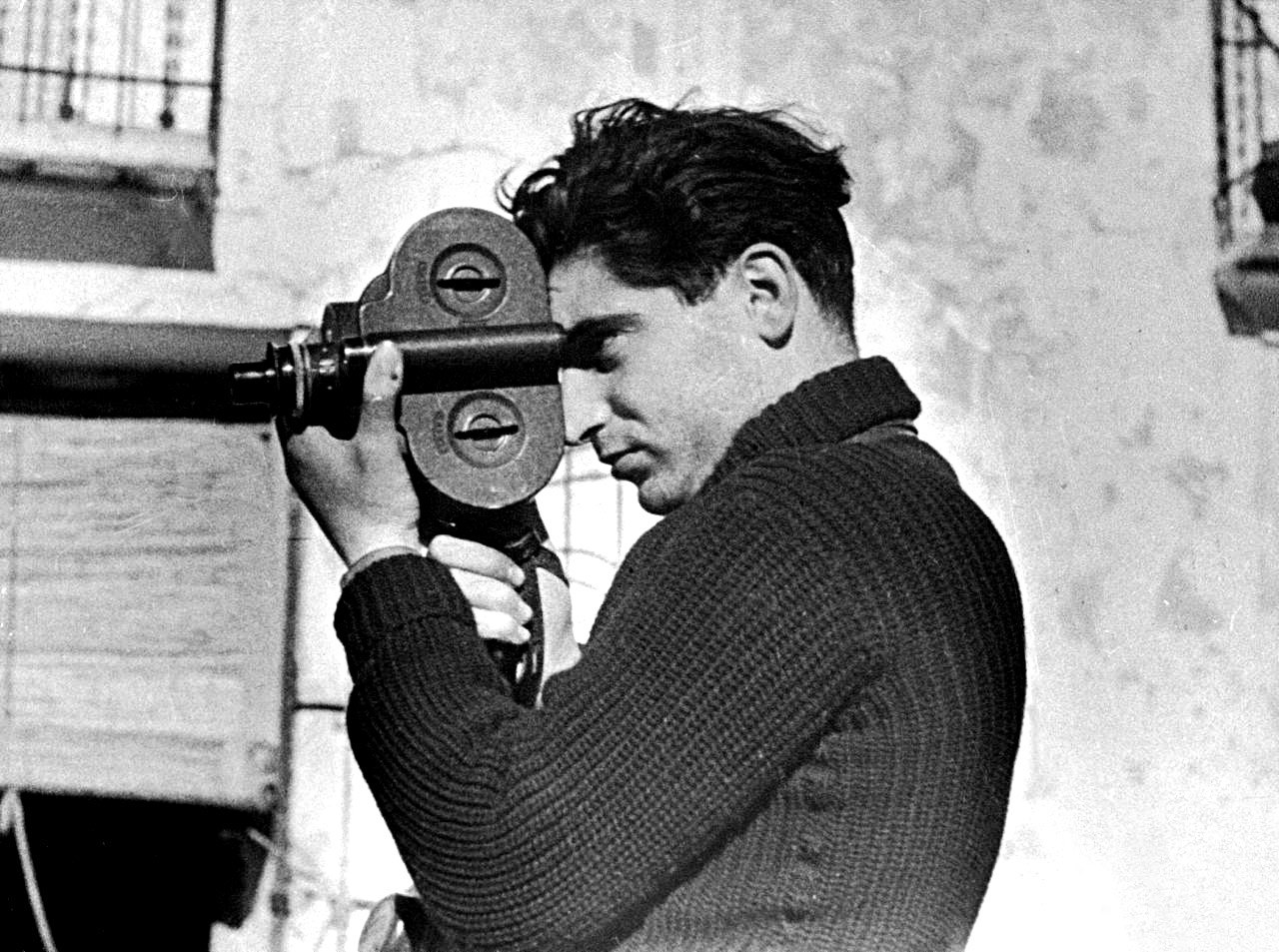
Taro was born Gerta Pohorylle in Stuttgart in 1910, and like Endre Friedmann she ended up in Paris as a young Jewish refugee. The two met there in 1934. As Digital Camera World puts it, they decided their work would sell better under an invented American name, and so Robert Capa was born. Over time Friedmann kept the name for himself and became one of the most famous photojournalists of the century, while Taro published under her own.
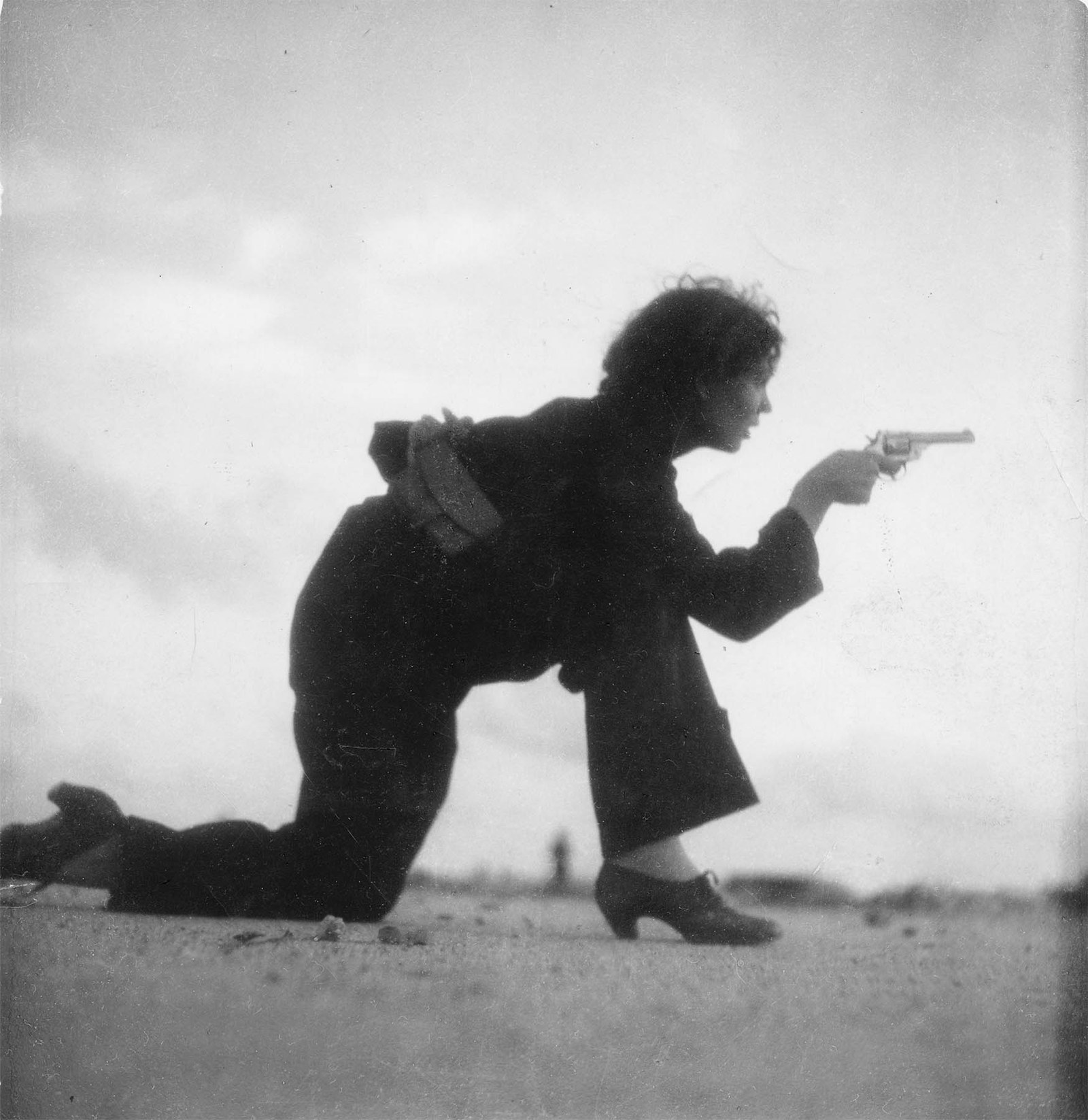
She went to Spain to photograph the civil war, and in July 1937, during the retreat from Brunete, she was struck by a tank. She died on July 26, six days short of her 27th birthday. She is generally regarded as the first woman photojournalist killed while covering a front line.
What the negatives settled
For decades a good part of her work stayed filed under Capa’s name. That began to change in December 2007, when three boxes of film that became known as the Mexican Suitcase arrived at the International Center of Photography in New York. They held 4,500 35mm negatives from the Spanish Civil War by Capa, Taro and Chim, missing since 1939. With the negatives themselves to examine, frame by frame, researchers could finally work out which pictures had come from Taro’s camera and which from Capa’s.
Why her story belongs here
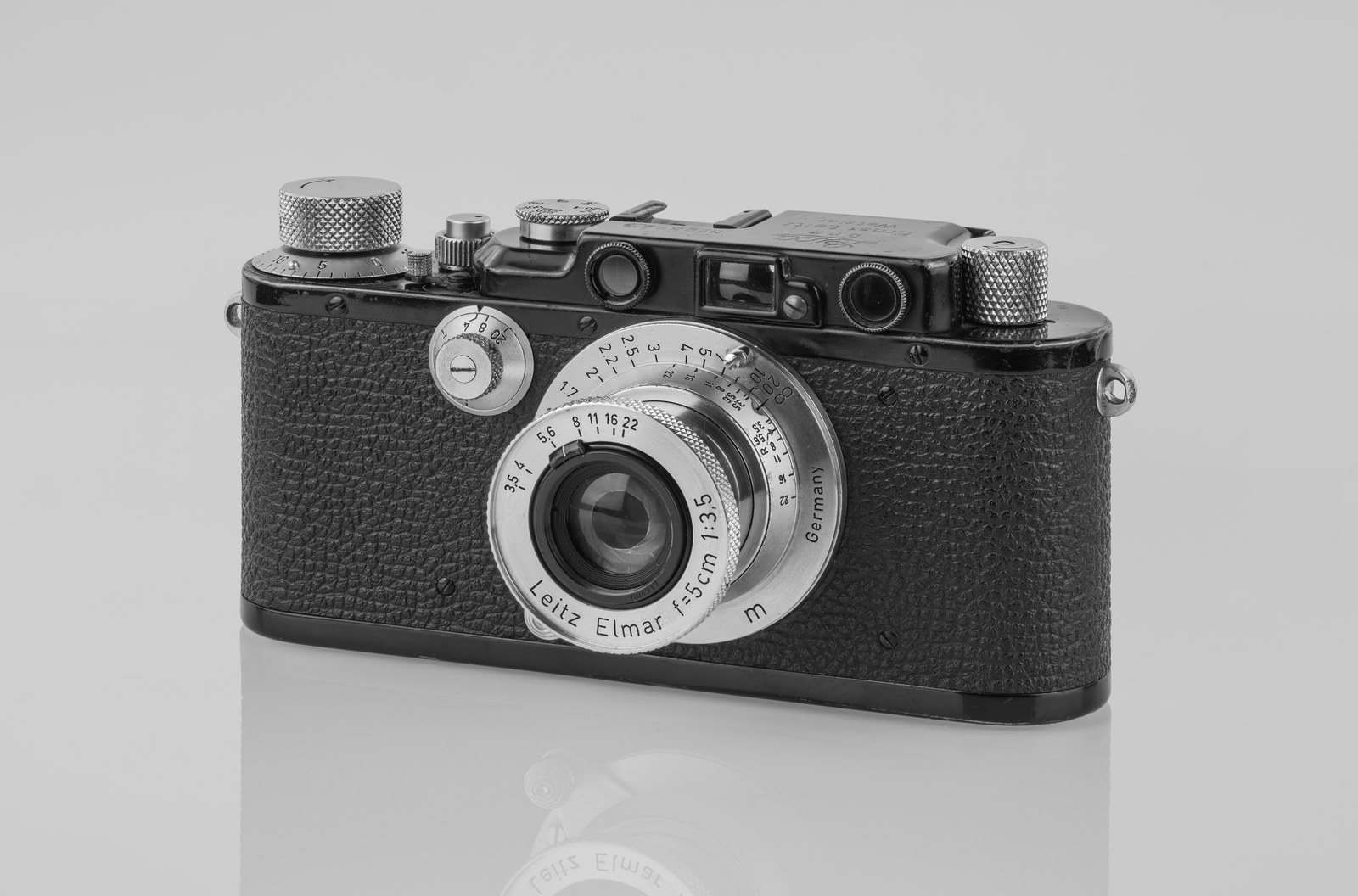
So what actually settled it? Not a caption, not a byline and not a reputation, but the negatives, the physical record of who was standing where with which camera. Every one of those frames was black and white 35mm film, made with small cameras like the Leica in the film’s title, cameras that let a photographer move quickly and get close in a way the big press cameras never could. The work was always there. It simply took the negatives resurfacing for anyone to see whose it was.
There is something worth sitting with in that for anyone who cares about their own photographs. Credit is genuinely easy to lose and very hard to win back, and it tends to survive only where someone kept the originals and remembered whose they were. Taro’s name nearly went with the byline. What saved it was a box of negatives that nobody had thrown away.