A company named after Leica’s most famous lens designer is selling a copy of a 1960s Summilux for $368. The first batch sold out.
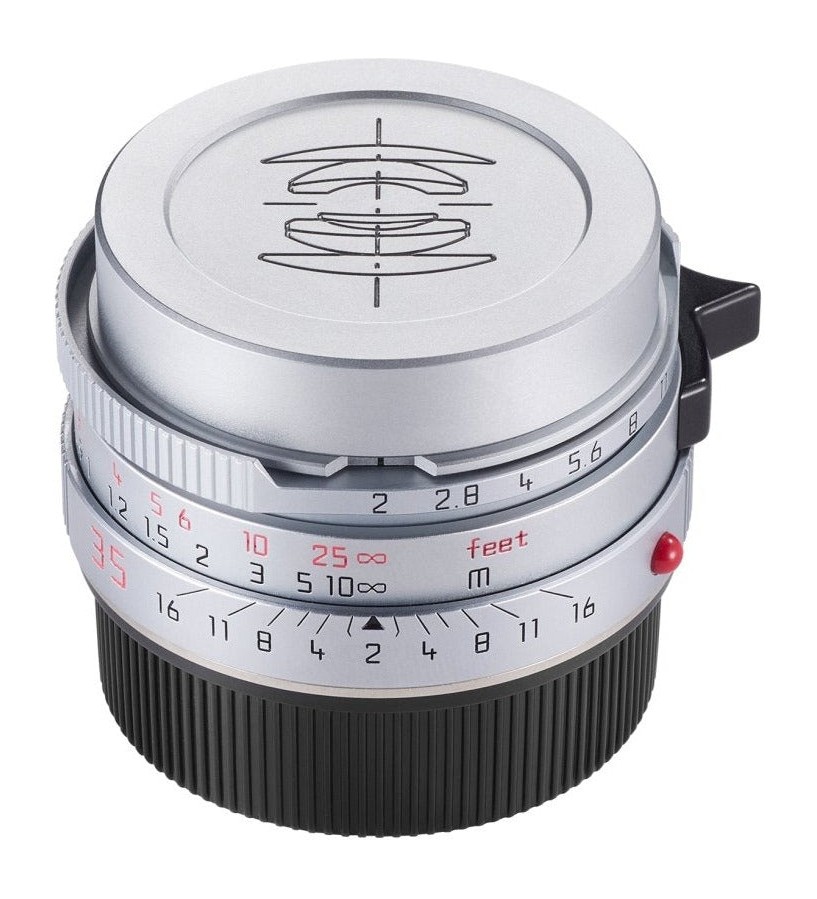
There is a new 50mm f/1.4 for M mount from a Chinese lens maker called Mandler, and it is not pretending to be anything other than what it is. The company says the optical design is inspired by the pre aspherical Leica Summilux-M 50mm f/1.4, the E46 version that came before Leica reworked the lens in 2004, and it has named the product the 50mm f/1.4 E46 Pre-A in case anyone missed the point. PetaPixel reports that the first run sold out, with a second batch opening for preorder on October 1.
What you get
Seven elements in five groups, a twelve bladed aperture, and a minimum focus distance of half a meter, which is closer than the Leica original managed. It comes in M and LTM mounts, takes 46mm filters and is 46.5mm long. The black version is aluminum and weighs about 290 grams. The silver version is brass and weighs 385. The aluminum one is $368 and the brass one is $548, which is the part of this story that makes photographers look twice, because a clean used pre aspherical Summilux generally runs into the thousands.
Mandler also claims the resolution is 20 to 25 percent better than the old Leica lens, which is an interesting thing to advertise about a lens whose entire appeal is how the old one rendered.
Why the pre aspherical version is the one people want
The reason anyone chases that particular Summilux is not sharpness. Wide open it has a soft, glowing quality, lower contrast, and a way of falling off toward the edges that flatters a face and separates a subject from its background without the surgical look of a modern lens. Stop it down and it tightens up. That gap between wide open and f/4 is the whole character of the lens, and people have paid a great deal of money for it.
In black and white, that rendering does something specific. Without color, separation has to come from tone and from the way a lens falls out of focus, so a lens with a gentle transition and a slight bloom in the highlights gives us far more to work with than a clinical one. It is the same reason photographers keep buying old glass for monochrome work when the new lenses measure better on every chart.
The questions nobody can answer yet
This is a new company with a short history. It arrived earlier this year with a version of the Leica 35mm f/2, and there are no independent reviews of the 50mm yet, which means nobody outside the company has tested the focus accuracy across the rangefinder coupling, the behavior against bright light, or how the brass version holds up after a year in a bag. Those are exactly the things that separate a lens you keep from a lens you sell.
There is also the name. Walter Mandler was the designer behind many of the Leica lenses photographers still revere, and a company calling itself Mandler and selling a copy of a Leica design is making a claim about lineage that it has not earned yet. None of that makes the lens bad. It just means the first people to buy one are doing the testing on everyone else’s behalf.
Still, for a photographer shooting monochrome on an M body who has wanted that old Summilux look and has watched the prices climb out of reach, a $368 lens that aims at exactly that rendering is worth paying attention to. We will know more when the second batch lands and people start posting files.