Behind every photograph is a way of seeing a rhythm of thought, emotion, and light. Photographer Spotlight is a continuing series from The Monochrome Collective, featuring conversations with photographers who use their craft to explore the world in shades of black and white.
Each interview delves into the artist’s artistic style, creative process and the inspiration that shapes their work. From quiet studies of everyday life to ambitious documentary projects, these voices remind us that photography is not just about what is seen — but about how we choose to see.
Through these spotlights, we celebrate the diversity of vision within our community — the subtle, the bold, and the deeply personal illuminating the artistry that connects us all.
Here is our interview:
ARTISTIC STYLE
𝗪𝗵𝗮𝘁 𝗱𝗿𝗮𝘄𝘀 𝘆𝗼𝘂 𝘁𝗼 𝗽𝗵𝗼𝘁𝗼𝗴𝗿𝗮𝗽𝗵𝘆?
I’m a very complex person. I think we all are. I can also be very negative. As a young kid and teen I even described myself as a curmudgeon, but I also have a great love of and for life. I want to show people my world. I was very neglected growing up. I’m not saying my parents did a terrible job with me, it was very unintentional, but they very much missed the mark as far as giving me what I needed from them. Parenting has to be a very intentional thing. It’s like the most intentional thing you could ever do.
But photography kind of naturally became my outlet. It was my way of, because I was alone and bored and lonely so much, showing others my world. I started my photography journey in 2001, at the age of 11. This was a time before Instagram and Facebook and even MySpace, My love for the hobby even predates Flickr, by a whopping 4 years! So when I say it was my way of showing others my world, it wasn’t.
But it was my way of interacting with the world around me, and taking something from it and saving it for myself and hopefully someone else, later. I love that about it. I love that it’s a whole language without words. Visuals are better than words, in a way. Photos are like words without words.
𝗛𝗼𝘄 𝘄𝗼𝘂𝗹𝗱 𝘆𝗼𝘂 𝗱𝗲𝘀𝗰𝗿𝗶𝗯𝗲 𝘆𝗼𝘂𝗿 𝘀𝘁𝘆𝗹𝗲 𝗶𝗻 𝘁𝗵𝗿𝗲𝗲 𝘄𝗼𝗿𝗱𝘀?
Love for life, Documentary, Pulp (Non)Fiction
𝗪𝗵𝗮𝘁 𝘀𝘂𝗯𝗷𝗲𝗰𝘁𝘀 𝗼𝗿 𝘀𝗰𝗲𝗻𝗲𝘀 𝗮𝗿𝗲 𝘆𝗼𝘂 𝗺𝗼𝘀𝘁 𝗱𝗿𝗮𝘄𝗻 𝘁𝗼?
People. I’m a documentary photographer whose intentions are always to make a documentary style image that is also fine art. So I love making photos that include people because people drive stories not landscapes, or animals or buildings, or objects.
𝗜𝘀 𝘁𝗵𝗲𝗿𝗲 𝗮 𝘀𝘁𝗼𝗿𝘆 𝗯𝗲𝗵𝗶𝗻𝗱 𝘆𝗼𝘂𝗿 𝗳𝗮𝘃𝗼𝗿𝗶𝘁𝗲 𝗽𝗵𝗼𝘁𝗼?
I don’t have a favorite photo, but I do have a couple I really like. The photo that I’m most grateful for, was my first artistic image, my first serious image ever and I captured it in 2001 on a trip to Mammoth Lakes, California. A girl friend invited me to go there for the weekend getaway. We were there on Saturday and it was still sunny. We took a boat out on the lake and it was warm and golden.
That night however, a storm rolled in and the next morning snow blanketed the ground. The condo we were staying in had a courtyard, kind of like a community of old 70’s style chalet condos with trees and paths woven throughout the area. Leaning against one of the condos was a vintage Schwinn bike. It had, as I remember it, drop handlebars and a baby blue coat of paint that was not only light pastel blue but washed out as well. It was lined with snow on the seat and on the frame of the bike. That one image and how good it was, how idyllic it was, hooked me. It’s like that with a lot of passionate photographers, and I’m happy that I too had my own special moment that roped me in.
𝗪𝗵𝗮𝘁 𝗲𝗺𝗼𝘁𝗶𝗼𝗻𝘀 𝗱𝗼 𝘆𝗼𝘂 𝘁𝗿𝘆 𝘁𝗼 𝗰𝗮𝗽𝘁𝘂𝗿𝗲 𝗶𝗻 𝘆𝗼𝘂𝗿 𝘄𝗼𝗿𝗸?
On one hand, I try to tell life as it is. On the other hand, I tell life as I remember it. Or, as I created it in my mind. I want to take token moments, idyllic, classic, relatable. I try to make moments that are instantly nostalgic, warm, recalling the past. I grew up in Los Angeles. It’s an old city like a lot of cities. It’s also a city that has been becoming modern over time. Most big cities have that dichotomy. But I like the fact that in 2003, or 2009, then the modern era, I would be capturing images that look like they could have been taken years ago. Five years ago, ten years ago, twenty. I really like that.
I don’t know why exactly, but I grew up listening in the 90’s to the Beach Boys and folk music, and psychedelic rock from the 60’s and 70’s. These were all bands from days long gone by. My parents were old. My mom just turned 74 a few days ago. My mom was old when I was young, and my dad was even older. And so I had this old soul in me. I was very lively, and in some ways mature for my age, and I guess I like pretending that the world I’m photographing could have been from an earlier time.
But also, I want people to feel a sense of instant relatability, that my photo’s make sense, that they portray an image that the viewer already has in their mind. A classic this-American-life-of-ours moment. It’s why I love the name I chose to represent my photography: Ordinary. American. Beauty. It says all of this. Hah! This whole interview can be summed up, in a way, by that name. I want people to honor the lives of those who’s lives I’ve captured. And the people I photograph, are not those of typical Hollywood stories. They are the more marginalized and less seen people of my world. Like characters from a deep indie film.
CREATIVE PROCESS
𝗪𝗵𝗮𝘁 𝗴𝗲𝗮𝗿 𝗱𝗼 𝘆𝗼𝘂 𝘀𝗵𝗼𝗼𝘁 𝘄𝗶𝘁𝗵?
I shoot with a 1D Mk IV. It’s a really cool camera, and I’m so happy I’ve been able to shoot with it and before that, briefly, a 1D Mk III. But it is VERY OLD. I also miss having a Full Frame For a couple of reasons, namely the quality of the file, and my focal lengths being normal. Haha. Oh well, I’m stuck with it. That being said, if anyone wants to buy an awesome envy worthy pro grade camera from WAY back, let me know, it’s affordable!
𝗛𝗼𝘄 𝗺𝘂𝗰𝗵 𝗱𝗼 𝘆𝗼𝘂 𝗽𝗹𝗮𝗻 𝘃𝘀. 𝘀𝗵𝗼𝗼𝘁 𝘀𝗽𝗼𝗻𝘁𝗮𝗻𝗲𝗼𝘂𝘀𝗹𝘆?
I don’t plan my shoots hardly at all. My photography is very spontaneous. In my golden years of photography I shot in a style that Jessica Lange coined, Dérive. She took it from a French philosopher and the term describes the idea of drifting. Going out into the world and following the wind, you could say, or your instincts. In those golden years from 2015-2017, I would just pick a location where I knew that there was a lot of graphically interesting stuff to shoot and go wander that part of town. LA is so visually rich! It’s brimming with cultures and subcultures, artsy stuff and places to shoot and see. Before then, when I was a kid running around the streets of LA with my little prosumer digicams, that was how also I did it.
𝗪𝗵𝗮𝘁’𝘀 𝗼𝗻𝗲 𝗲𝗱𝗶𝘁𝗶𝗻𝗴 𝘁𝗼𝗼𝗹 𝗼𝗿 𝘁𝗿𝗶𝗰𝗸 𝘁𝗵𝗮𝘁 𝘆𝗼𝘂 𝘂𝘀𝗲?
I’ll answer your question with an interesting fact about my editing. I use numbers that are significant to me when Editing. “What the heck are you talking about?” you’re probably thinking. Haha.. All I mean is this. I’m 36 years old. I like to stop my editing tool at 36 if I’m close to it. I like to stop it at 54, my role call number in 3rd grade, or 57, my best friend’s role call number, which is a very aesthetically pleasing number, or 89, the year I was born, or 86 the year my brother was born. It’s silly, it’s quirky, it’s weird, but it’s funny and fun. That’s all.
𝗙𝗶𝗹𝗺 𝗼𝗿 𝗱𝗶𝗴𝗶𝘁𝗮𝗹 — 𝗮𝗻𝗱 𝘄𝗵𝘆?
Honestly, I will not shoot film until it’s truly dead. I like film, I can agree that there is something nice about having less shots, and the colors and the grain patterns and the organic nature of a film image. However, I’m broke, I have no time, and I’m also a really sloppy shooter. I need lots of opportunities to make the best image possible. Hahaha!!!
𝗪𝗵𝗮𝘁’𝘀 𝘀𝗼𝗺𝗲𝘁𝗵𝗶𝗻𝗴 𝘆𝗼𝘂’𝗿𝗲 𝗰𝘂𝗿𝗿𝗲𝗻𝘁𝗹𝘆 𝘄𝗼𝗿𝗸𝗶𝗻𝗴 𝗼𝗻 𝗶𝗺𝗽𝗿𝗼𝘃𝗶𝗻𝗴?
I don’t know. Nothing really. I don’t shoot much these days, but I can give a few pieces of advice that are dear to me. The first is this: Work the scene till you’ve exhausted the it. Don’t be afraid to shoot a lot, it’s all just file space.
Two: NEVER delete! Feel free to remove photos from your catalogue, but keep the files. it’s an incredible advice, that everyone would do well to follow. If you are serious about this and getting good, you will want to have your whole archive! I learned it from Daniel Milnor and I swear it’s solid gold advice. I lost a lot of my own work from early years, because I didn’t realize this was something that I should have been doing. And I was good then! It’s sad! Don’t be like me! Lastly, print your work. Using a cheap home printer is fine. Use cheap paper, it doesn’t really matter. You can print two 2×3’s on one 5×7 paper, cut them up, toss them in a bag, cherish them, share them, give them away! I have this as an advice, but even I need to do a lot more printing. I’m set up for it, I just don’t yet.
INSPIRATION
𝗪𝗵𝗼 𝗼𝗿 𝘄𝗵𝗮𝘁 𝗶𝗻𝘀𝗽𝗶𝗿𝗲𝘀 𝘆𝗼𝘂𝗿 𝗽𝗵𝗼𝘁𝗼𝗴𝗿𝗮𝗽𝗵𝘆?
Good images. There’s so much bad work out there.
𝗔𝗻𝘆 𝗽𝗵𝗼𝘁𝗼𝗴𝗿𝗮𝗽𝗵𝗲𝗿𝘀 𝗼𝗿 𝗮𝗿𝘁𝗶𝘀𝘁𝘀 𝘁𝗵𝗮𝘁 𝗶𝗻𝗳𝗹𝘂𝗲𝗻𝗰𝗲𝗱 𝘆𝗼𝘂𝗿 𝘀𝘁𝘆𝗹𝗲?
No. I learned all on my own. It’s my vision that influences my style. And I have a pulpy kind of style. Saturated, contrasty, hip hoppy, gritty city life.
𝗪𝗵𝗮𝘁’𝘀 𝗼𝗻𝗲 𝗻𝗼𝗻-𝗽𝗵𝗼𝘁𝗼𝗴𝗿𝗮𝗽𝗵𝘆 𝘀𝗼𝘂𝗿𝗰𝗲 𝘁𝗵𝗮𝘁 𝗳𝘂𝗲𝗹𝘀 𝘆𝗼𝘂𝗿 𝗰𝗿𝗲𝗮𝘁𝗶𝘃𝗶𝘁𝘆?
Hmm.. I don’t know. TV.. Movies. But I RARELY watch anything these days. The only thing I can say is that I am working on healing a lot, so maybe my own journaling, or poetry. I mean nothing really, because I don’t shoot my best work now. I shoot my family, which is great, it’s definitely important but it is boring to me to a degree. I know that sounds bad, but this is my hobby, and it’s most fun when it’s separate from my family. Anyways, I guess my love for life is the biggest non-photography source that fuels it, but loving life IS part of photography too. Haha!
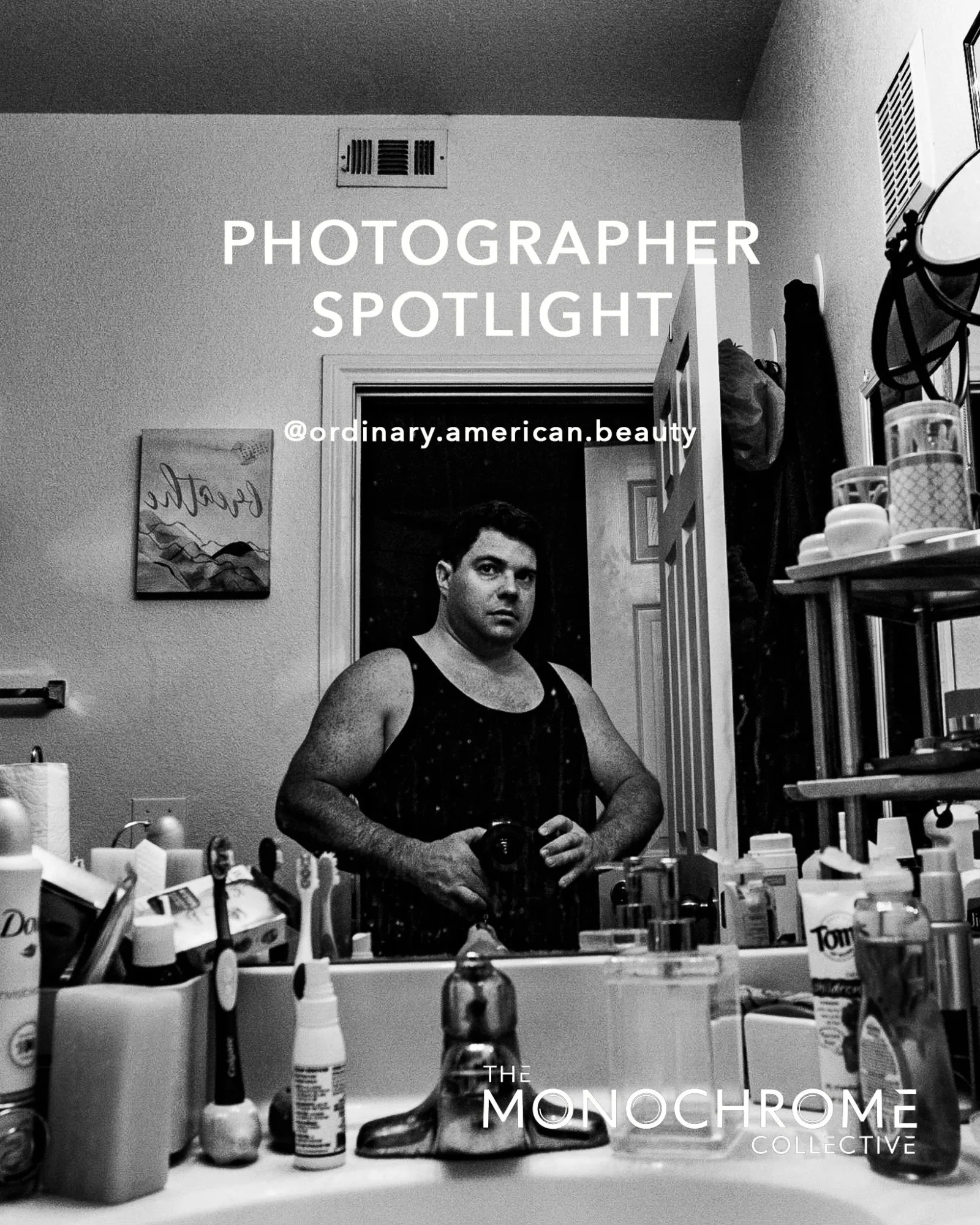
If you would like to see more of Eriks work you can find him on foto @ordinary.american.beauty or on his website www.ordinaryamericanbeauty.com