
We spend years learning how to get the eyes sharp. We spend far less time deciding what a photograph should make someone feel.
Focus is one of the first things any of us learn in photography. Pick the point, get it sharp, and check it on the screen afterwards to make sure. It matters, and missing it is frustrating. But there is a second kind of focus that nobody puts in the manual, and it has far more to do with whether a picture actually moves anyone. Ansel Adams is often quoted as saying there is nothing worse than a sharp image of a fuzzy concept, and he was pointing at exactly this problem.
Two kinds of focus
Sharp focus is optical. It is the part of the frame where the lens has rendered detail clearly, and it is a technical choice about distance and depth of field. Emotional focus is something else entirely. It is the thing a photograph is really about, the feeling at its center, and the place where a viewer’s heart lands rather than just their eye. Every strong photograph has one. It might be tenderness, loneliness, tension, humor or calm, but it is there, and everything else in the frame is working for it.
The two often line up, which is why we rarely think about them separately. A portrait with the eyes sharp usually puts both kinds of focus in the same spot. But they are not the same thing, and a photograph can have perfect sharp focus and no emotional focus at all.
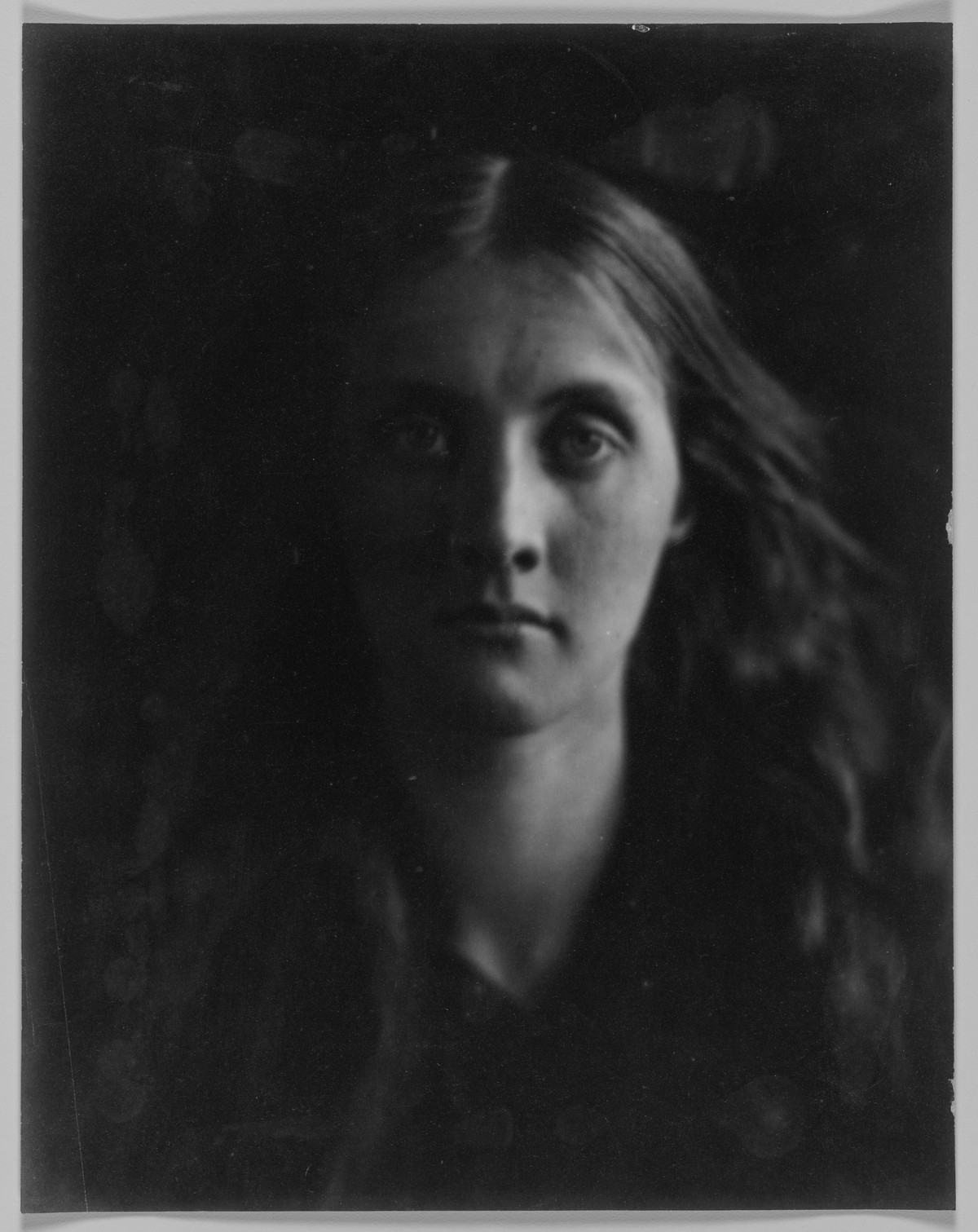
Why technically perfect photographs can leave us cold
Most of us have made pictures like this. The exposure is right, the subject is sharp, the composition follows every guideline we have read, and yet the photograph feels like nothing. It is correct and it is empty. Usually that happens because we reacted to a scene without ever understanding why it caught our attention. Something made us stop, but we never worked out what it was, so the picture records everything in front of us equally and says nothing in particular. A viewer looking at it has nowhere to land. Their eye can find the sharp part easily enough, but their feelings are left wandering around the frame looking for a reason to care.
A hand, a gaze and two children looking away
Dorothea Lange’s Migrant Mother, made in Nipomo, California in 1936, is one of the clearest examples of emotional focus we know. Look at how the picture is built. The two older children have turned their faces away from the camera and buried them against their mother’s shoulders, so there is only one face in the photograph for us to read. Her hand rises to her chin, and her eyes look past the camera toward something we never see. Every part of the frame sends us back to that worried expression, and the worry is the whole photograph. The children hiding their faces tell us as much about the situation as her face does.
Lange made only a few exposures that day, moving closer each time, and the famous frame is the one where everything nonessential had been left behind. The sharpness in it is good, but sharpness is not why people have been looking at it for ninety years.

When the feeling lives in the atmosphere
Sometimes the emotional focus is not in the detail at all. Arthur Rothstein’s photograph of a farmer and his sons walking through a dust storm in Cimarron County, Oklahoma, made the same year as Lange’s, has no faces to read. The figures are small, the air is thick with dust, and the whole frame sits in a flat gray haze with no real blacks and no sky to speak of. What carries the picture is that haze, and the way the father leans into the wind while the smallest boy trails behind, heading for a shed that already looks half buried. The feeling lives in the atmosphere rather than in anything sharp. Robert Capa’s frames from Omaha Beach in 1944 go further still. They are grainy and shaken, and they remain some of the most powerful war photographs ever made because of that, not in spite of it.
Finding the feeling before the frame
Emotional focus starts before the camera comes up. When a scene stops us, the most useful thing we can do is ask what it was that actually caught us. Not what the subject is, but what we felt. Was it the loneliness of one figure in a big empty space? The tenderness between two people who did not know anyone was watching? The humor of something slightly out of place? Once we can name the feeling, even roughly, every other decision gets easier, where to stand, what to include, what to leave out and when to press the shutter. If we cannot name it, it is worth staying a little longer until we can, because the viewer will only ever feel what we managed to understand first.
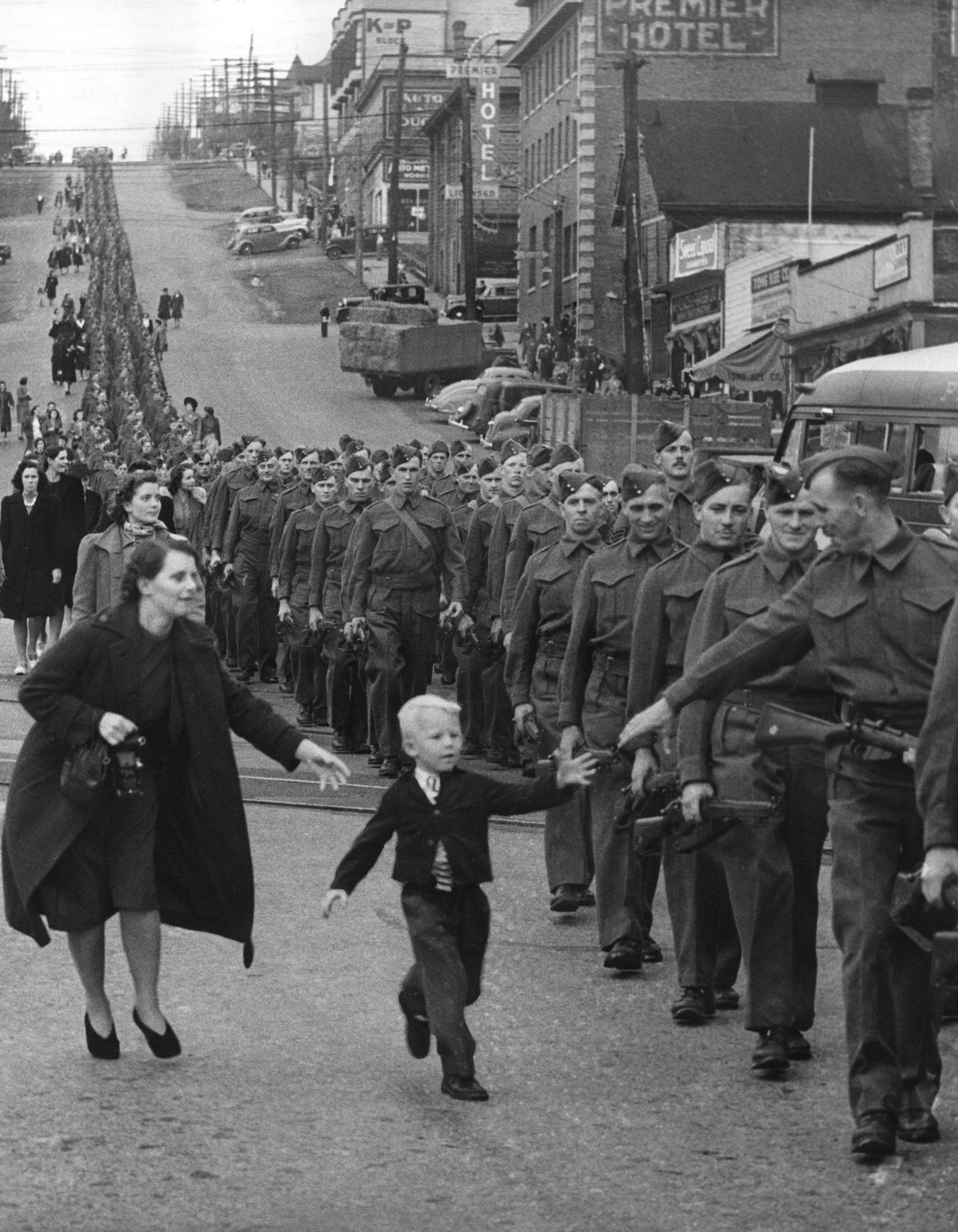
Why black and white asks more of it
Color carries a lot of mood on its own. Warm light reads as nostalgic, blue reads as cold, a splash of red pulls the eye wherever it sits. In black and white all of that is gone, so the emotion has to come from somewhere else, from light and shadow, from tone and contrast, from gesture and expression. That makes emotional focus harder in monochrome, and it also makes it more important. There is nothing to hide behind. A black and white photograph without a clear feeling at its center simply falls flat, while one that has it can hold a viewer for decades.
Getting the eyes sharp will always matter. But the photographs we remember are rarely the sharpest ones we have seen. They are the ones where someone knew exactly what they felt, and made sure we would feel it too.
Featured photograph: Migrant Mother, Nipomo, California, 1936, by Dorothea Lange. Library of Congress, public domain.