
Fifty years in, what keeps one of the biggest bands in the world working is a song that doesn’t exist yet.
U2 have been a band for fifty years. They have a catalog most groups would have retired on two decades ago. In November they release Carnaval De Luz, their sixteenth album and their first record of new material in nine years. Asked what keeps him doing this, The Edge gave an answer that had nothing to do with any of the work behind him.
“We genuinely think that we might just write the best song we’ve ever written next week,” he told David Marchese of the New York Times, or do the best show they’ve ever done next tour.
He said something else in the same conversation that’s less quotable and more useful. “You don’t get to somewhere greater unless you’re prepared to fail.”
Put those two sentences together and they stop being about music. They describe where a person has decided to look, and what they’ve agreed to put up with in order to keep looking there.
A sixteenth album is not a victory lap. Nobody needs one, least of all the four people who have to make it, and the only reason to spend nine years arriving at another one is a genuine belief that it could turn out better than the fifteen that came before. That belief is the entire subject here, because the photographic version of it is available to all of us and most of us have quietly talked ourselves out of it.
Where our sense of our own level comes from
Ask any of us how good we are and we’d have an answer ready, even if we’d be too polite to say it out loud. Somewhere around competent, most likely, with a handful of frames we’d defend to anybody.
It’s worth asking where that answer came from, because there’s only one place it could have come from. We looked at our own pictures. We know which ones are the good ones and roughly how often they turn up, and we’ve drawn a line through them and called it our level.
The archive is a record of what we attempted
Here’s the trouble with that. Our archive doesn’t contain our ability. It contains the situations we chose to walk into.
Think about what’s actually in there. It’s mostly decent weather, because decent weather is when we go out. It clusters around convenient hours, and almost nobody’s archive has four in the morning in it. Most of it was made within a short drive of where we live. It’s full of first visits to places and very thin on fourth ones. And if we’ve never walked up to a stranger and asked, there’s nothing in there that tells us whether we could.
A wall built out of reasonable decisions
Every one of those absences quietly gets read as a limit. We’ve taken a record of our own past decisions and mistaken it for a measurement of our capacity.
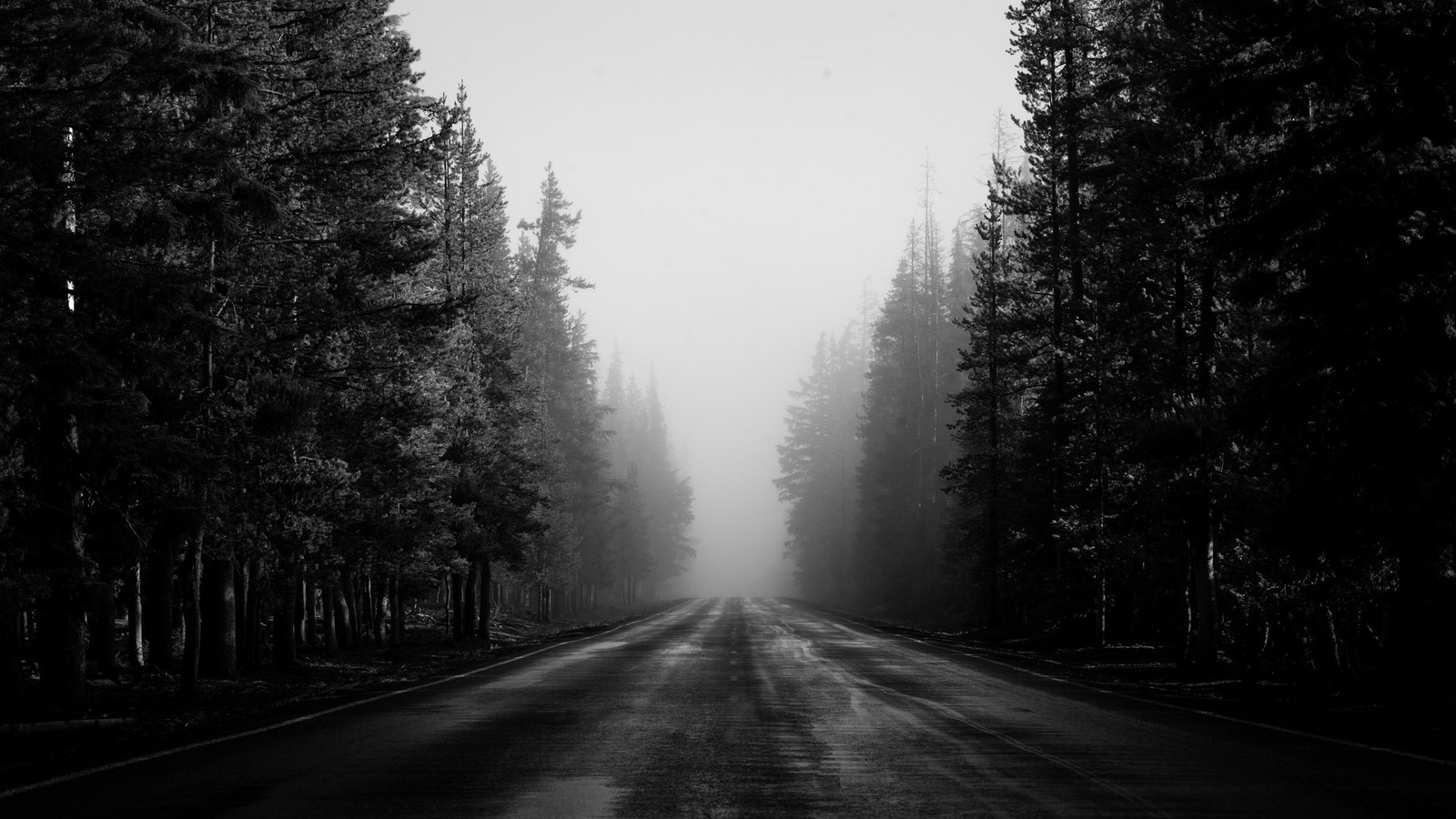
Take fog. If there’s no good work in fog in the archive, that isn’t evidence that we can’t photograph fog. It’s evidence that we stayed in, and on the morning in question we were almost certainly right to. It was cold, the odds looked poor, there was something else on, and staying in was the sensible call. It was probably the sensible call forty times.
Forty sensible calls stack into a wall. After a few years we stop seeing it as something we built, and start reading it as the shape of what we’re able to do.
A ceiling
This is where it stops being an observation and turns into something we can act on. A limit made of ability would be a fact about us. A limit made of habits isn’t. It’s a description of how we’ve been spending our mornings, and it moves the moment the mornings change.
So the ceiling most of us carry around isn’t a real ceiling. It’s a summary of where we’ve already been, wearing the costume of a verdict on where we can get to. Once that’s visible it stops having any authority, and the question of how good our work could become goes back to being genuinely open.
The only fuel there is
That matters because nobody has ever been driven by work they’ve already made. Looking back at a good frame is a pleasure and it is not a motive force. It won’t get anyone up at five, and it certainly won’t get anyone out of a warm house into weather. The only thing that does that is the possibility of something that hasn’t happened yet.
Which is exactly what Edge is describing. Fifty years of material behind him and the thing that gets him into the room is the song that isn’t written. Not because he’s certain it’s coming, but because he’s decided that’s where to point himself, and pointing yourself at the unmade work is the only arrangement that produces any more of it.
The failure line sits next to it for a reason. Anyone who goes out on the strength of a possibility is coming home empty handed most of the time. That isn’t the system breaking down. That’s the cost of the system, paid in advance, and it’s only unbearable if we’d expected otherwise.
Write down what isn’t there
There’s a version of this you can do this weekend, and it takes an hour.
Go back through the archive, a year of it or ten, and instead of looking for the good frames, write down what isn’t in there. The weather we’ve never shot in. The hours we’ve never been awake for. The distance we’ve never gone past. The places we only visited once. The subjects we’ve never approached and the ones we tried twice and abandoned.
That list is not a list of our weaknesses. It’s a list of the unattempted, which is a completely different thing, and it’s the first honest map any of us has ever had of where the work could still go. Our best photograph is sitting somewhere on it, in a condition we’ve been avoiding for perfectly good reasons.
And nobody handed us that list. We wrote it ourselves, out of our own evidence, which is why it’s harder to argue with than any encouragement anyone else could offer.
The one belief that comes true
None of this is a guarantee. We could work the list for a year and come back with nothing we’d hang on a wall. The fog might not oblige. That possibility is real and it’s the reason the whole thing requires a bit of nerve rather than just a bit of enthusiasm.
But there’s one belief available here that does guarantee its own outcome, and it’s the belief that our best work is already behind us. That one never has to be tested. It quietly arranges our weeks so that it can’t be, and then it turns out to have been right all along.
Everything else on the table is still open. That’s the whole argument, and it’s better odds than most of us have been giving ourselves.
U2 on the Elevation Tour in Hamilton, October 2001, photograph by David Scacchi, used under CC BY SA 4.0. Road photograph by Intricate Explorer on Unsplash.