A half Cuban photographer, a city that calls itself the first in the Americas, and the trip where he finally bought a camera.
From Havana to a camera in my hand
I was new to overseas traveling. I had only been to Havana, Cuba in 2019, as my first international trip, and I am half Cuban. While I was there I took a lot of pictures on my iPhone, and I caught the travel photography bug. I had gotten into photography a few years before that by buying a basic Nikon bundle and I got decent at it, but I never really learned how to edit photos or did much research into techniques. Still, it started things up for me. I realized I really wanted to get a modern, small camera and start taking pictures of my experiences and my travels.
My next trip I decided on Santo Domingo, but I hadn’t gotten a camera yet, and that is when I realized I couldn’t travel overseas again without one. So my second trip to Santo Domingo is when I finally got my first camera in about ten years. I got a Ricoh GR III. I got some pretty good images on that trip, but I was really still learning composition and technique, and trying to understand what my style is.
Why Santo Domingo
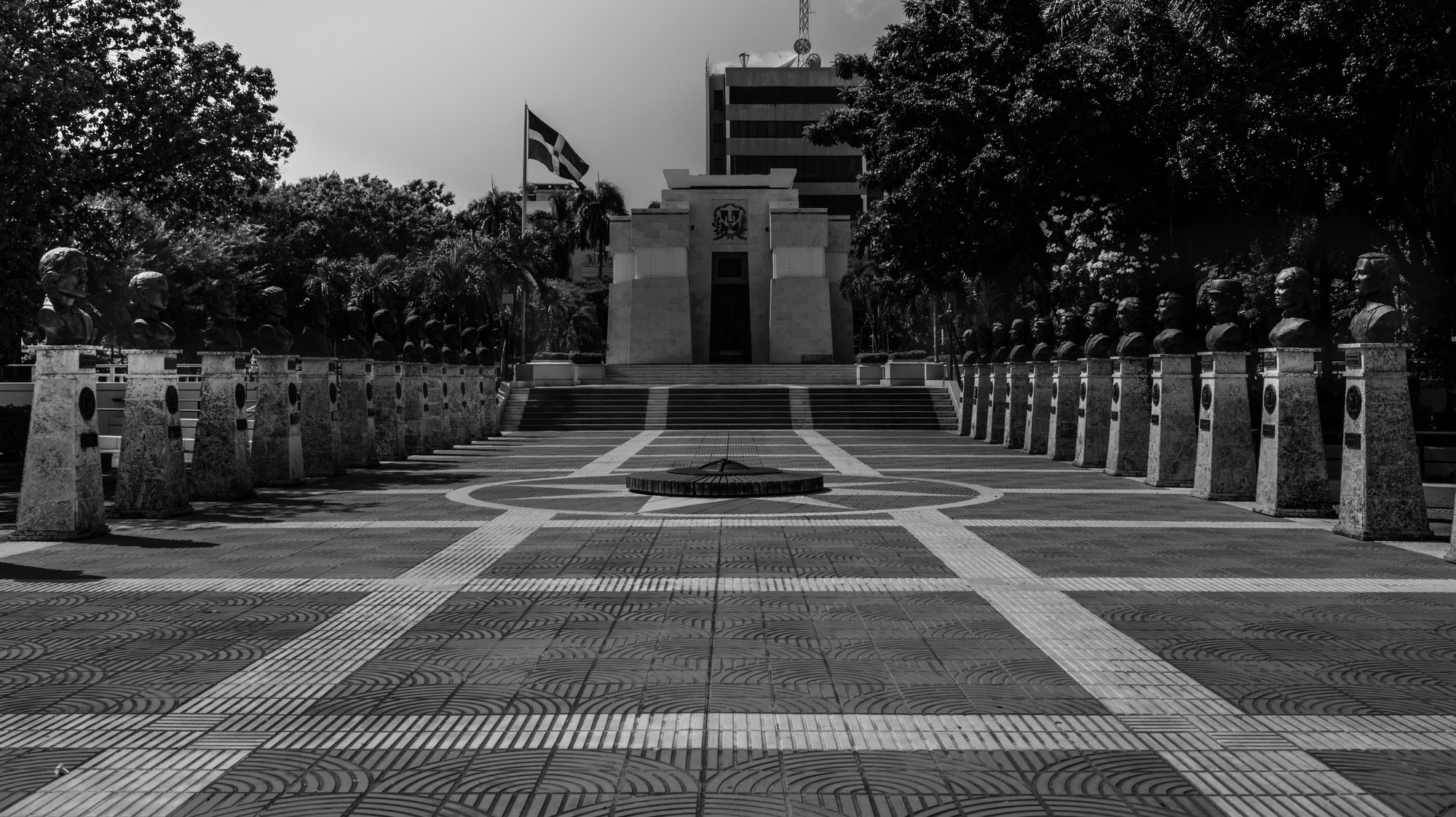
I loved the vibe of Santo Domingo, because it is similar in many ways to Havana and to my Latin Caribbean culture. It is the first city in the Americas, at least as of the discovery of the New World, and I am a huge fan of history and geography, so I wanted to start off where Latinidad essentially began. I realized Cuba was difficult to get to and the situation there isn’t great, so Santo Domingo felt like a good second option to capture a similar vibe and feeling. The people are incredibly warm and inviting, the food was great, and they loved my Cuban accented Spanish. I didn’t feel like a regular tourist, it felt like being around family. I knew I would be coming back, especially during New Jersey’s winter, because it was a nice escape.
The second trip was more mindful. I had gotten better with my camera and felt more comfortable practicing my shots and being outside doing street photography. I was also more comfortable in the Zona Colonial, because it is quite safe, and I already knew some hot spots to hit and could make better use of my time. I knew there were more side blocks and some ruins I hadn’t seen yet, so I put them on my map and hit them all. I also wanted to explore outside the Zona Colonial, in areas like Piantini, Chinatown and East Santo Domingo, and to explore the beaches in the northern part of the island.
Mornings on El Conde
I would generally get a small hotel or Airbnb for a few days at a time, because I wanted to stay in different areas of the city to explore better. Most of my time was spent in the Zona Colonial. It was nice to wake up to sunshine and the busy movement of people along the main streets, the smell of fresh coffee and natural juices, the great Dominican breakfast, tres golpes, and the beautiful people everywhere.
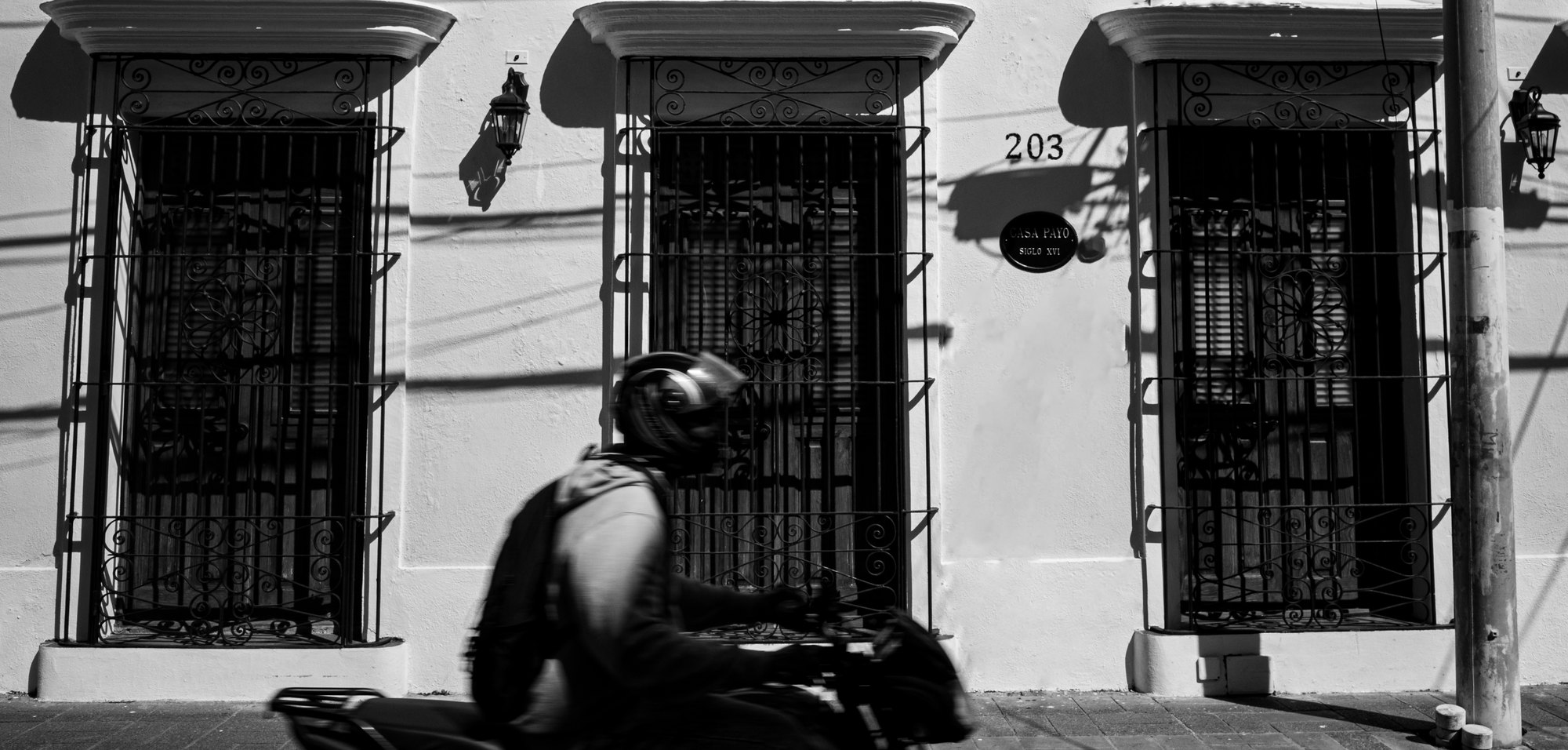
I would walk down the main street, El Conde, and land at Parque Colón, where Dominicans go to relax, feed the birds and people watch, with bachata filtering through the streets. This was the era of me still trying to find my style, so I took pictures of everything I could. I quickly realized that I really liked architecture and historical subjects, landscape, some street photography, and even abstract work.
Old stone, and the people in front of it
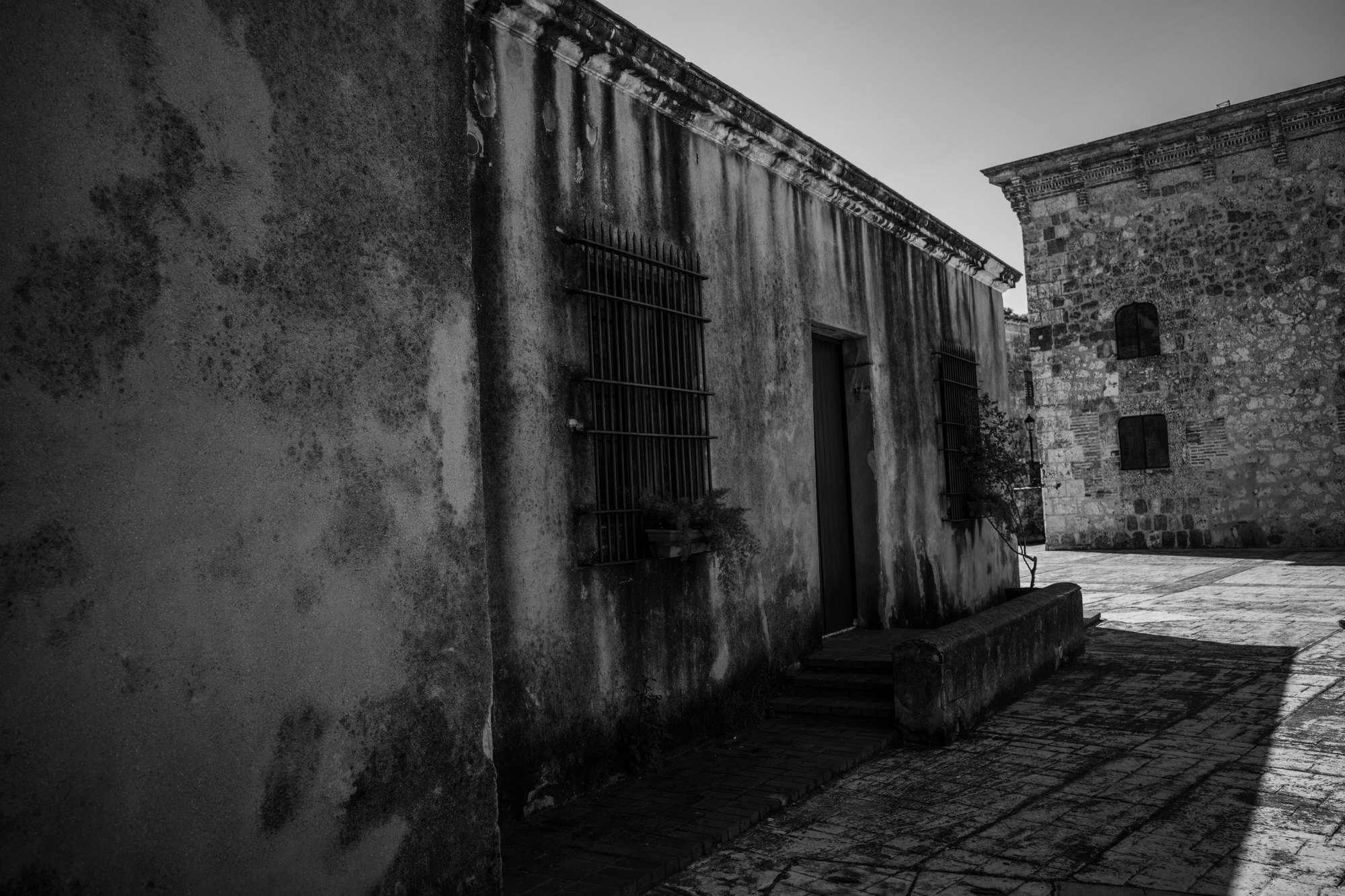
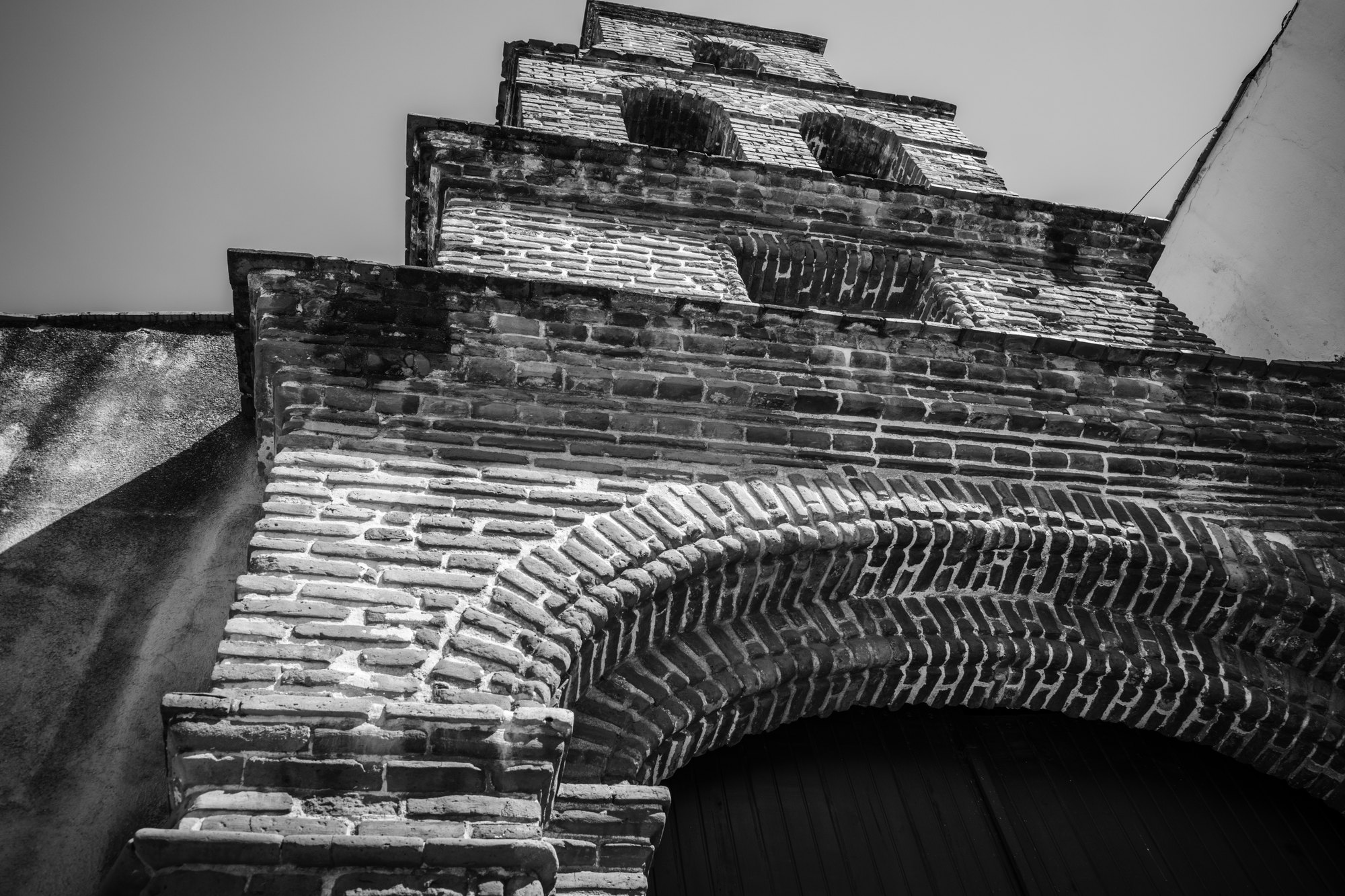
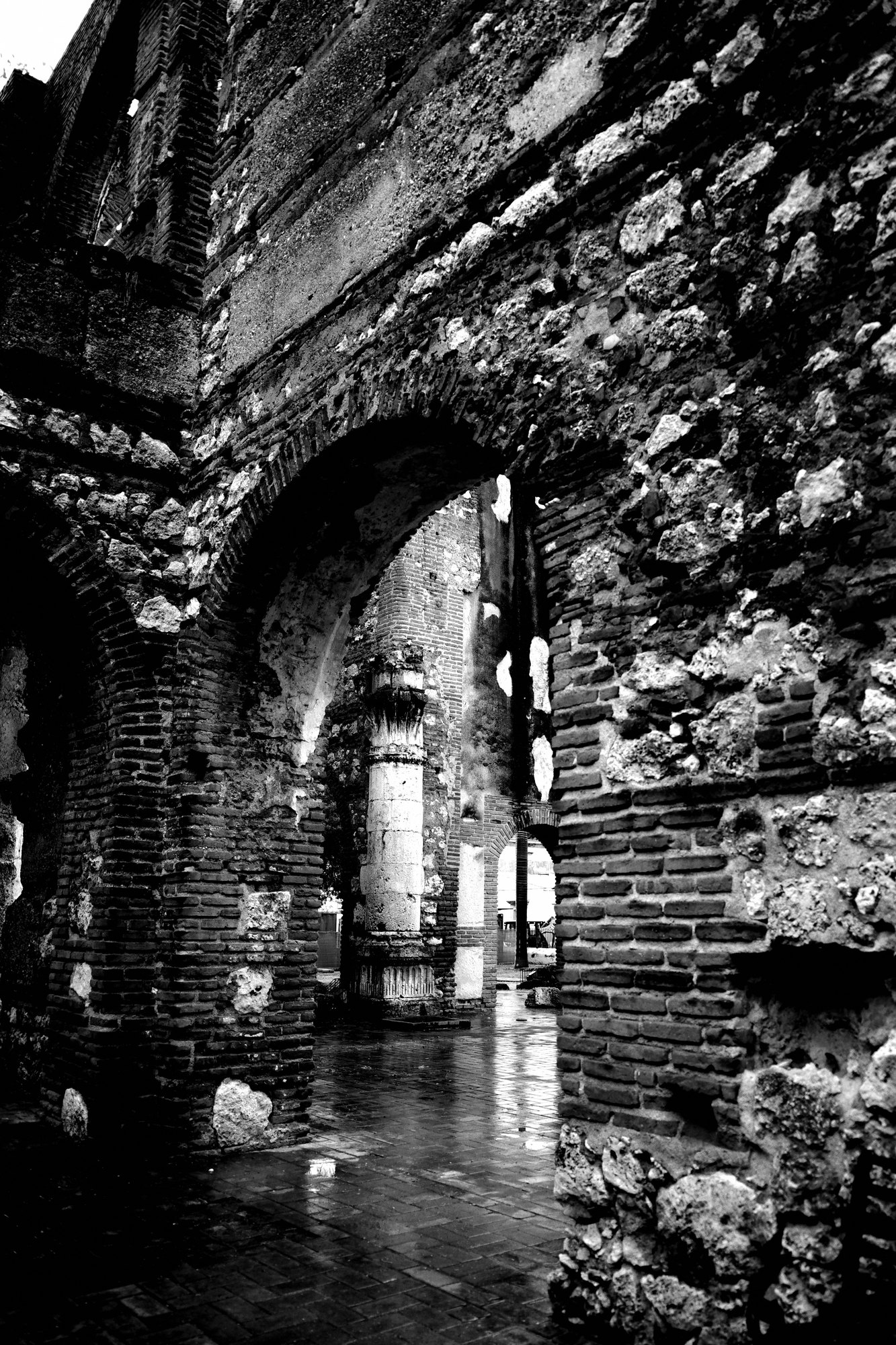
The beauty of the Zona Colonial is that it is hundreds of years old, and in some places falling apart while in others it is being restored. It reminded me of Old Havana, a place I miss very much. The architecture was amazing and very old. I really liked the old hospital grounds and the layout of the place, including the fort. The people are electric and a joy to interact with as a fellow Caribbean descendant.
I set out to focus on the architecture, because many places are in the middle of renovations and tourism dollars are building more desire to restore them. I wanted to get the rustic look, and the ability to walk into areas where in most other places in the world you would need a guide or be monitored while you walked around. The people, though, are always there, always present, and this is their history.
At that point in my photographic journey I was very green, and I was reluctant to bother anyone or point a camera at random people in the street. Latin America has its own rules to follow. As I have gotten more comfortable with what I am doing, I have begun to take more portraits of people.
Long lost cousins
I am of Cuban and Peruvian heritage, and I speak perfect Spanish with a lean toward the Cuban accent. In my experience, other Latin Americans love Cubans for their contributions to music and culture, and they can often tell my accent immediately. I was usually greeted with a warm smile and curious questions. The Dominican Republic and Cuba are very similar. We have the same kinds of descendants from Spanish, with a lot of Canary Island influence, from African and even from native Taino peoples. Our accents are similar as well, and we form part of the Caribbean cultural nucleus along with Puerto Rico. Long lost cousins, some may say. I was able to ask good questions and get past the facades that sometimes exist in tourist heavy places, and locals often pointed me to places of interest.
The place is very busy in the morning and afternoon. It is where many people go to work and where the majority of tourists in the capital go. There is a lot of music and colorful character about, very easy going and yet busy. At night it tends to empty out, and often only the side blocks with bars and lounges stay busy.
Standing in the history
I definitely understood the history before I got there, but it was different seeing it in person. At some points it felt like taking a step back in time, to when this part of the world was a grand mystery to many. You think about the people who walked through here, the enslaved people who built it, the indigenous people who suffered, the colonists who came for resources, and the people who were born from that mixture. We can say Latinidad began here.
Why I kept switching to black and white
I was still learning, but I quickly realized that black and white, and high contrast photographs, would be my favorites and what I wanted to get better at. I definitely shot a lot in color, and I would often shoot a scene in color and in black and white, back and forth repeatedly. Something about the old architecture and the textures lends itself well to monochrome.
I took a Ricoh GR III with me, and a Ricoh GR IIIx HDF on the next trip, essentially dual wielding them to great fanfare. I would say I work in a similar way now, but I have more gear, better cross bags and light backpacks, filters and so on. It was more pure during my Dominican Republic trip, because I had less gear and spent more time taking photographs than switching cameras and lenses.
What I would do again
I wouldn’t say things went wrong, but afterwards I wished I had spent more time on the back streets and the side streets, gotten more photographs with people in them, and had better framing and composition. Some of my favorite shots are ones I truly want to do over with better angles and framing.
People didn’t question me, and a friendly greeting in my Cuban accent was enough for them to tip their hat and keep moving around me. I think some people didn’t quite understand why I was taking pictures of random old things, but I think some of them walked away thinking that perhaps they should admire the local architecture while it is still very raw.
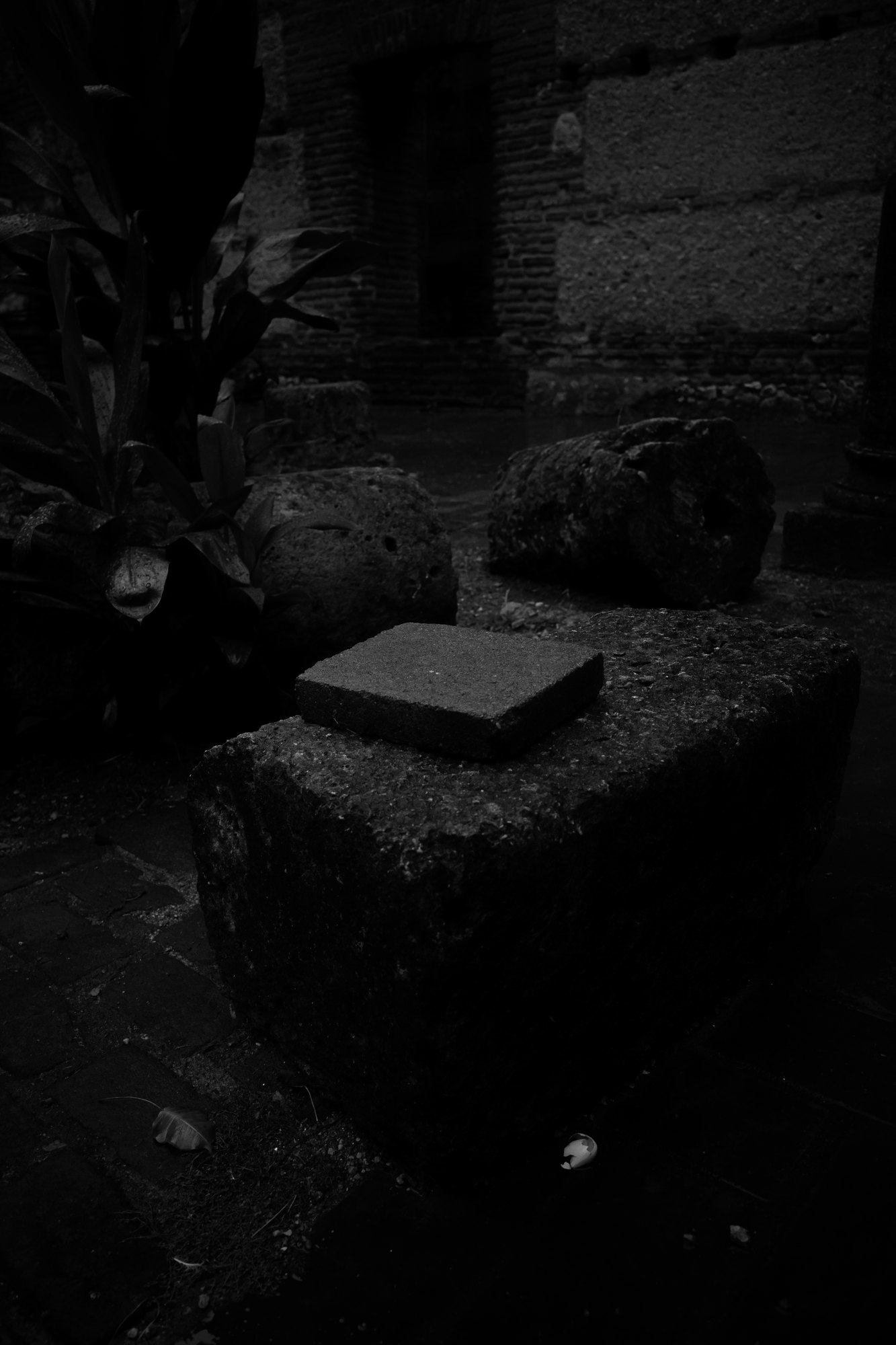
There is one photo I like where it appears to have a book made of stone sitting on a bench. It gives me an ancient feeling. I also really like one photo of a slightly ajar door of one of the colonial homes. It is hard to tell when a trip has produced a series. Sometimes you can feel it as you are shooting, but more often I discover a nice set during the editing and culling process. Sometimes I make great mistakes.
If you are thinking of going, I would say go. It is not overrun by tourists, a lot less so than Havana or San Juan, and it gives you a more raw feeling. There is a lot to do, great food and people, it is quite safe, though you should always be careful, especially at night, and there is tons of history and art. If you are a lover of history, it is a great place to go.
You can see more of Adam’s work on foto @jerseybred or on Instagram @jersey_bred50
Adam Arenas is a photographer based in New Jersey, of Cuban and Peruvian heritage, who photographs his travels with a pair of Ricoh GR cameras. His work in Santo Domingo was made across two trips to the Dominican Republic.