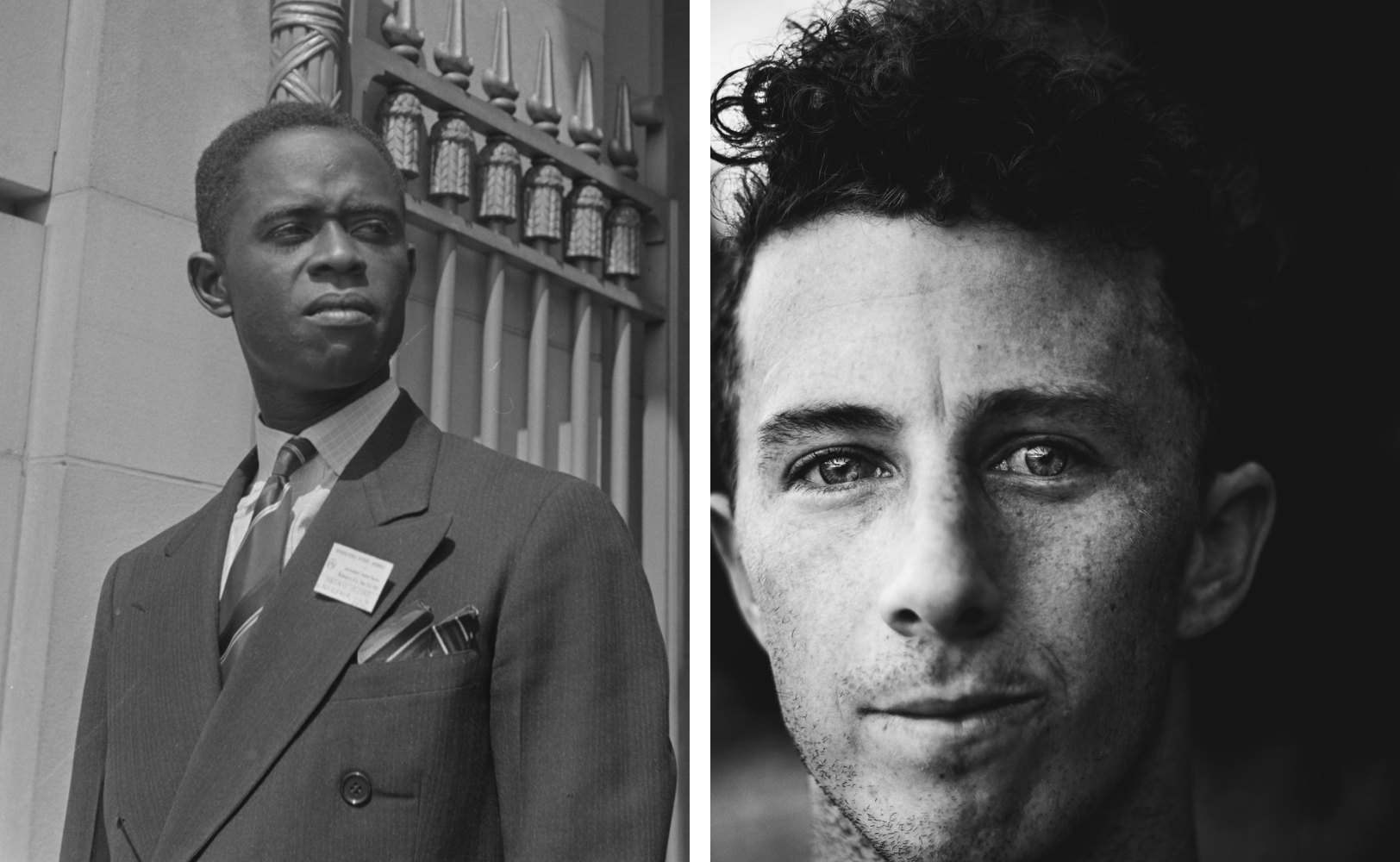
Put a portrait from 1942 beside one from 2016 and, in black and white, it takes a moment to say which is which. That moment of doubt is worth paying attention to.
Below are two portraits. One was made by Gordon Parks during the Second World War. The other was made seventy four years later. Both are close, both are built on soft light and a steady gaze, and neither has much in the frame to give its age away. Most of us would need a second look before guessing, and plenty of us would guess wrong. In color, nobody would hesitate for a moment. The answer is in the caption, but the hesitation is the genuinely interesting part.
Color dates a photograph twice
The first way is the palette. Color follows fashion as closely as clothes do. The avocado greens and burnt oranges of the 1970s, the neon of the 1980s and the heavily filtered look that filled phones in the early days of Instagram each place a photograph almost as precisely as a date written on the back. Paint, cars, packaging and clothing all carry the colors of their moment, so a color photograph is full of small dated details before we even notice what it is actually about.
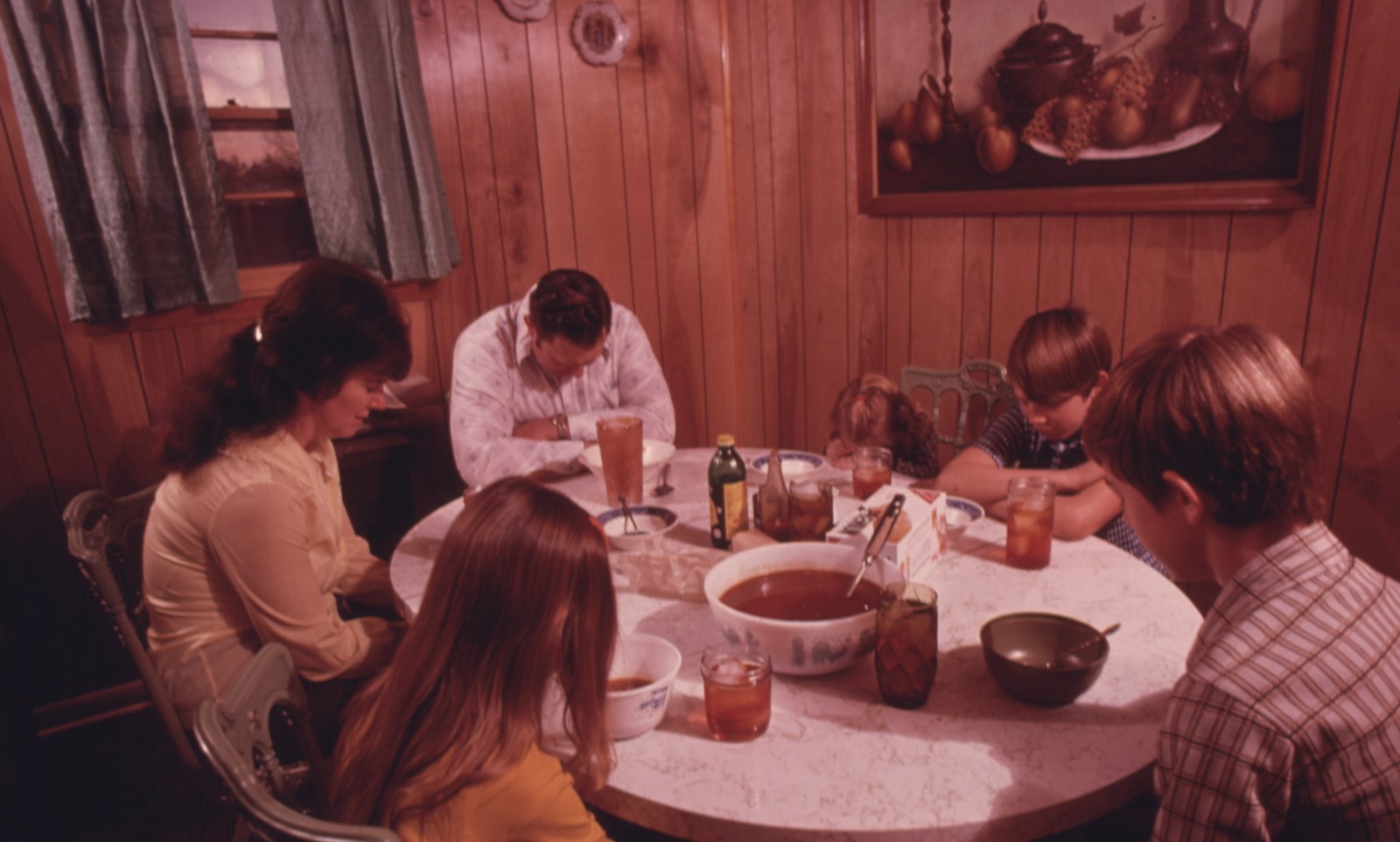
The second way is the print itself. Color prints are made with dyes, and those dyes do not age evenly. Many prints from the 1970s and 1980s have drifted toward pink and orange, because the cyan dye tends to fade first, so the photograph shows its age in the way it looks as well as in what it shows. Jack Corn’s photograph of the Gipson family saying grace at their kitchen table in Tennessee in 1974 is a good example, the wood paneling, the amber glasses and the warm cast of the film all placing it in its decade before we have even looked at the faces.
Black and white belongs to no single decade
Black and white has been part of photography from its very beginning right up to this morning, so it is not tied to any one era the way a color palette is. So many of the photographs through which we know the past reached us in black and white that a street scene made last week speaks the same visual language as one made in the 1940s. The grays, the deep shadows and the grain all belong to a vocabulary that has been in continuous use for generations.
That shared language works in both directions. It lets a photograph made today carry some of the weight of the archive, as if it had been waiting in a drawer for years. It also brings old photographs closer, so a portrait from 1942 feels less like a historical document and more like someone we might pass on the street. That is exactly why Parks’ portrait can sit beside one from 2016 without either looking out of place.
The date moves into the details
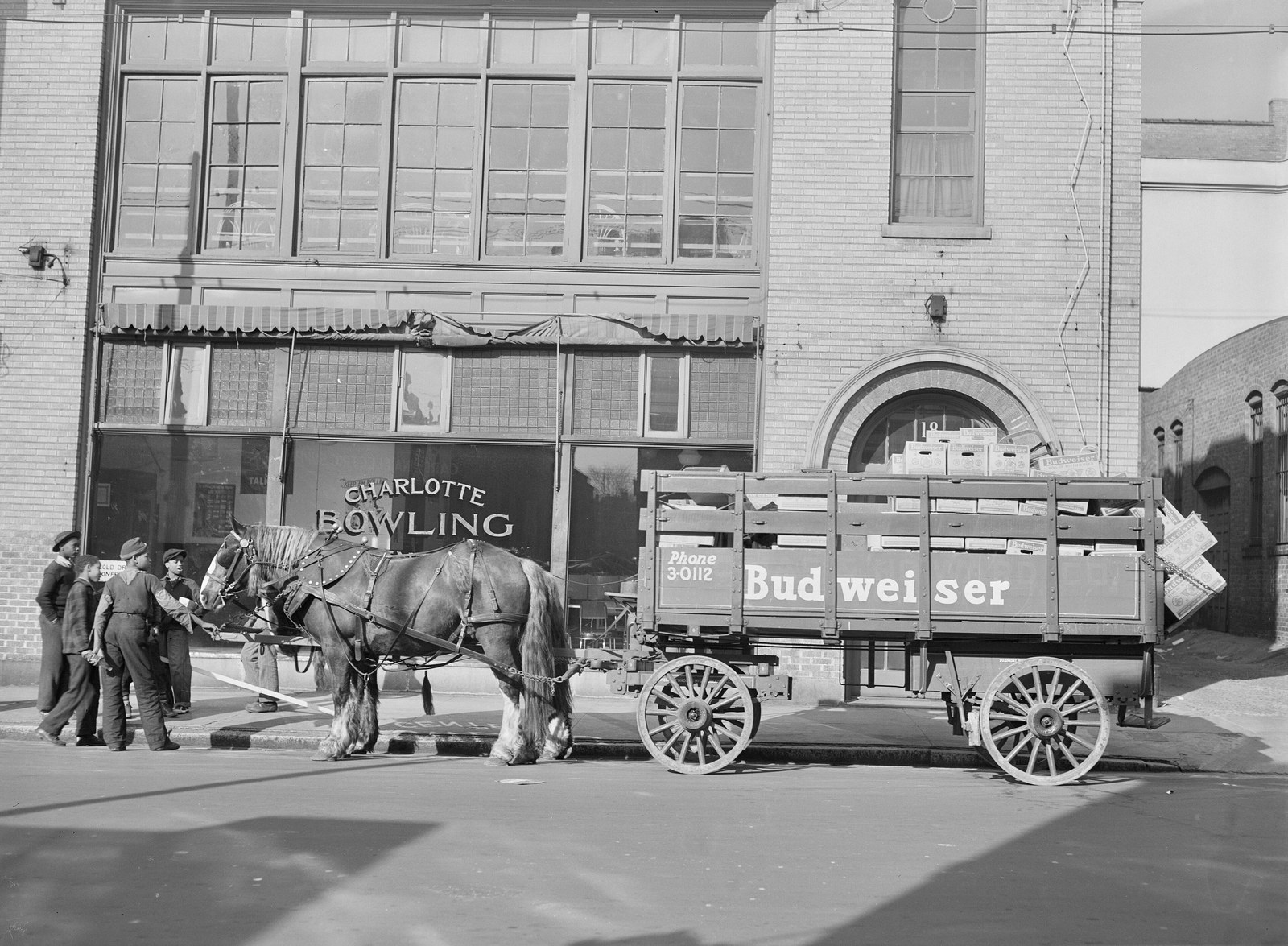
Worth being honest about the limits here, because black and white does not delete the date. It moves it. A car, a hat, a shop sign or a phone in someone’s hand will place a photograph whatever its palette. John Vachon’s 1943 photograph of a horse drawn beer wagon in Charlotte is black and white, and it is still unmistakably 1943. Even the character of the image can give it away, the clean edges of a digital file against the texture of film, or the heavy conversions that were fashionable a decade ago.
That turns erasing time into a choice rather than a side effect. Framing out the parked car, waiting until the person on the phone has walked on, or choosing a subject that has looked the same for generations does far more to take a photograph out of its era than the conversion ever will. The conversion simply clears the way.
What the camera cannot date
Once the palette and the period details are gone, what is left are the things that have not changed. Light still falls the way it always has, a low sun still throws a long shadow, and a window still lays the same soft light across a face that it did in Parks’ day. Feeling does not age either. Grief, tenderness and boredom look exactly the same on a face now as they did eighty years ago. Neither does texture, the lines of an old hand or the worn stone of a doorstep, because nothing about them tells us when they were photographed.
A photograph does not escape its era just by being gray. It escapes when nothing left in the frame needs a date, and that is something we decide while we are still standing there with the camera, long before we ever convert it. The gray only makes the decision visible.