Category: Originals
-
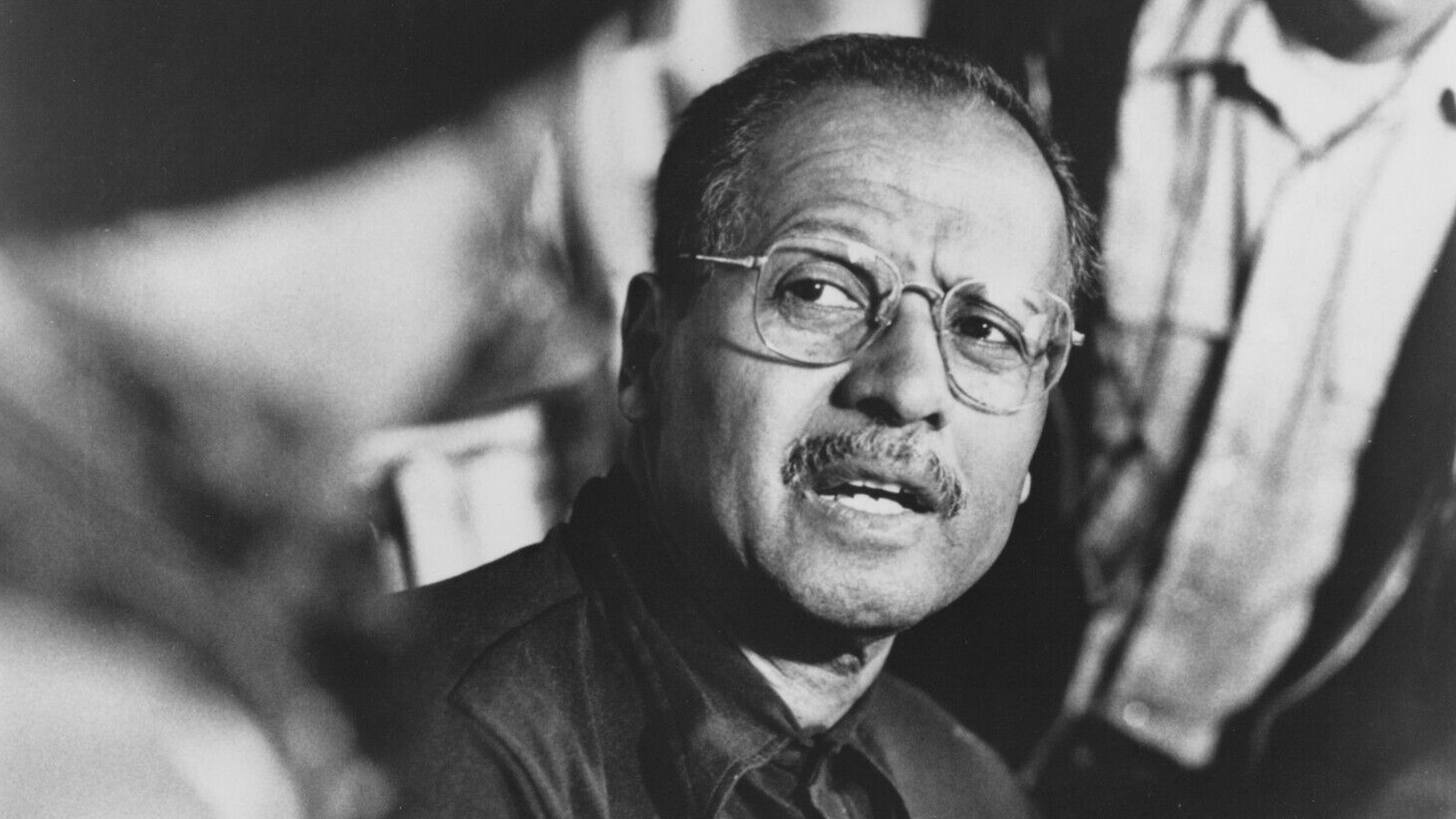
Roy DeCarava, the Poet of Mid-Century Harlem
Roy DeCarava photographed the Harlem he was born in, printed darker than anyone expected, and insisted he was an artist, not a documentarian. Here is why his black and white work still matters.
-
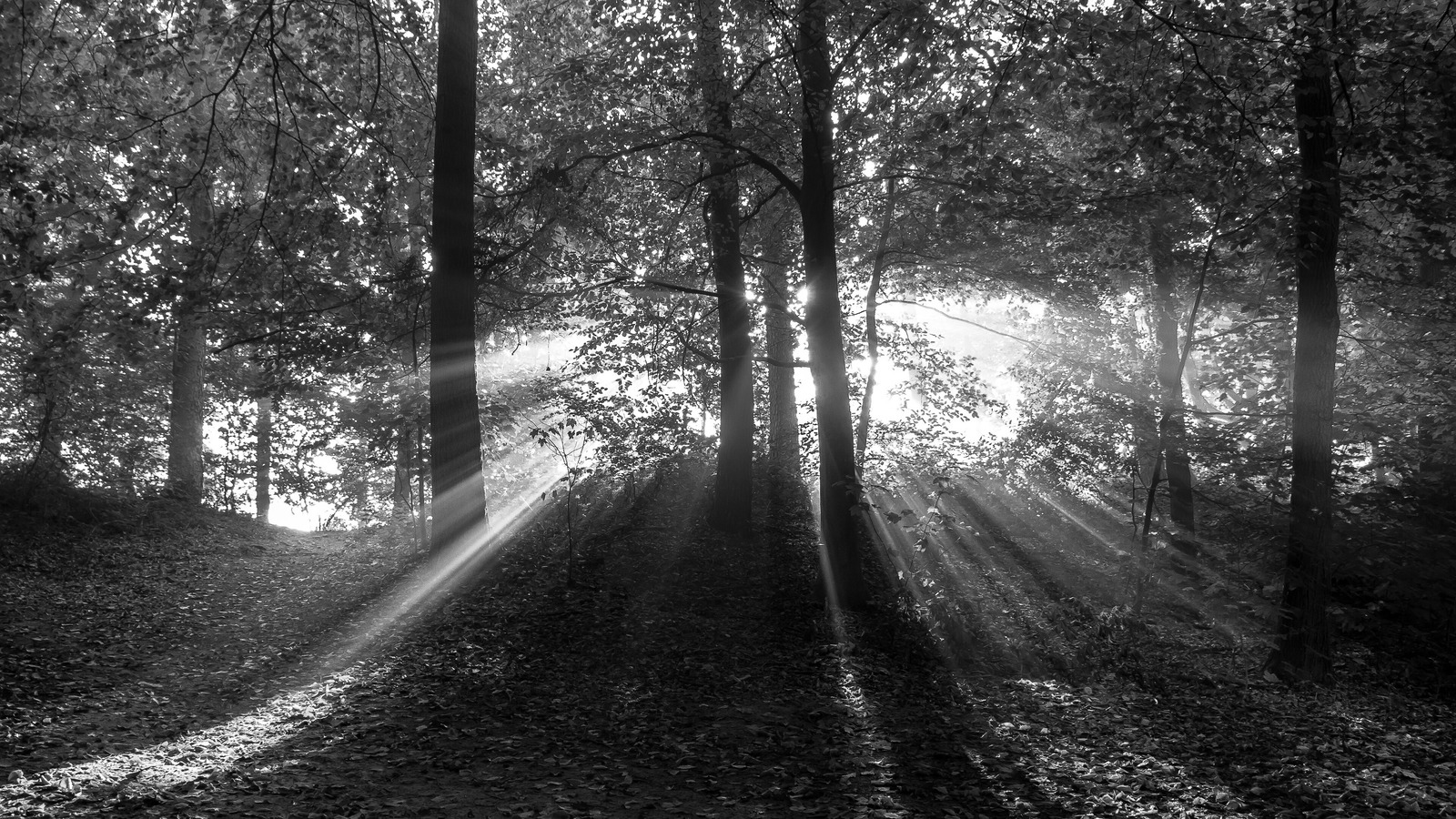
Photographing Autumn When the Color Is the Point
Red and green foliage sit at almost the same brightness, so autumn collapses into gray mush the moment you convert it. Here are five decisions that give the season back its separation.
-
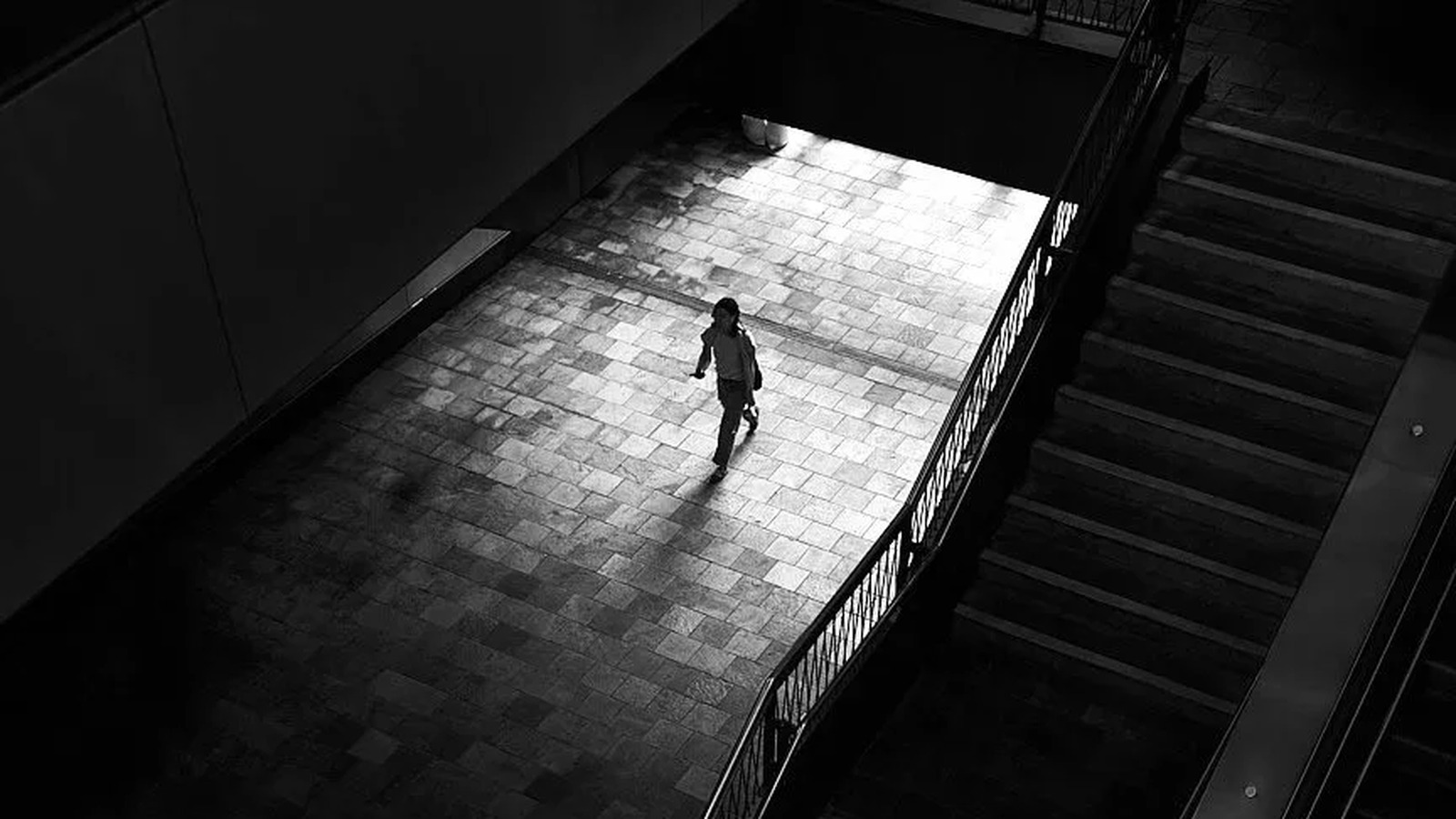
Does Sensor Size Matter in Black and White?
A bigger sensor buys light, and light buys clean shadows. In monochrome the noise you are avoiding looks like grain, which changes the arithmetic. Here is what format actually gives you, and what it cannot.
-
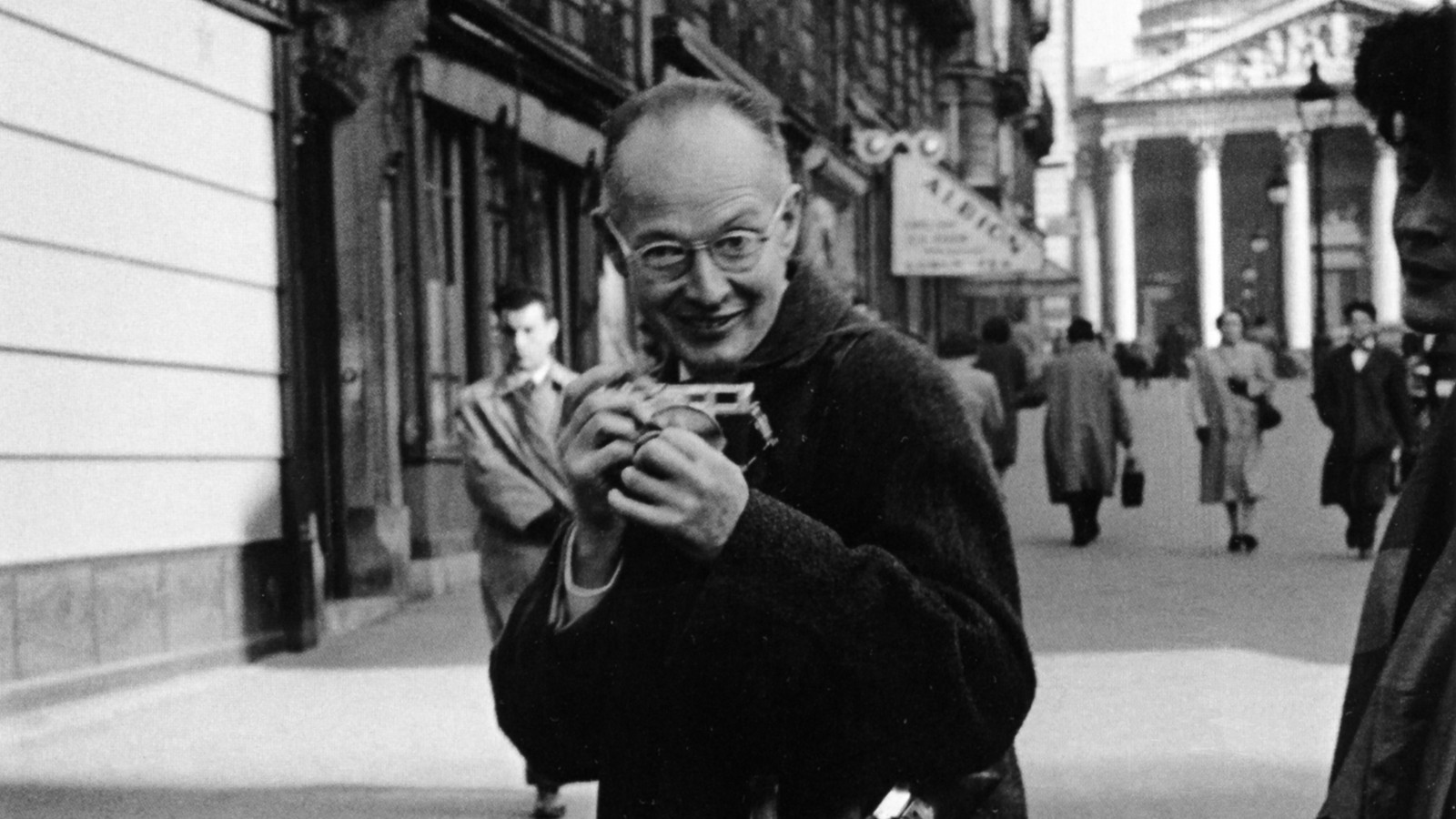
The Invisible Photographer
Henri Cartier-Bresson made some of the most famous street photographs ever taken, and almost nobody in them knew he was there. Here is how he worked unseen, and why it mattered.
-
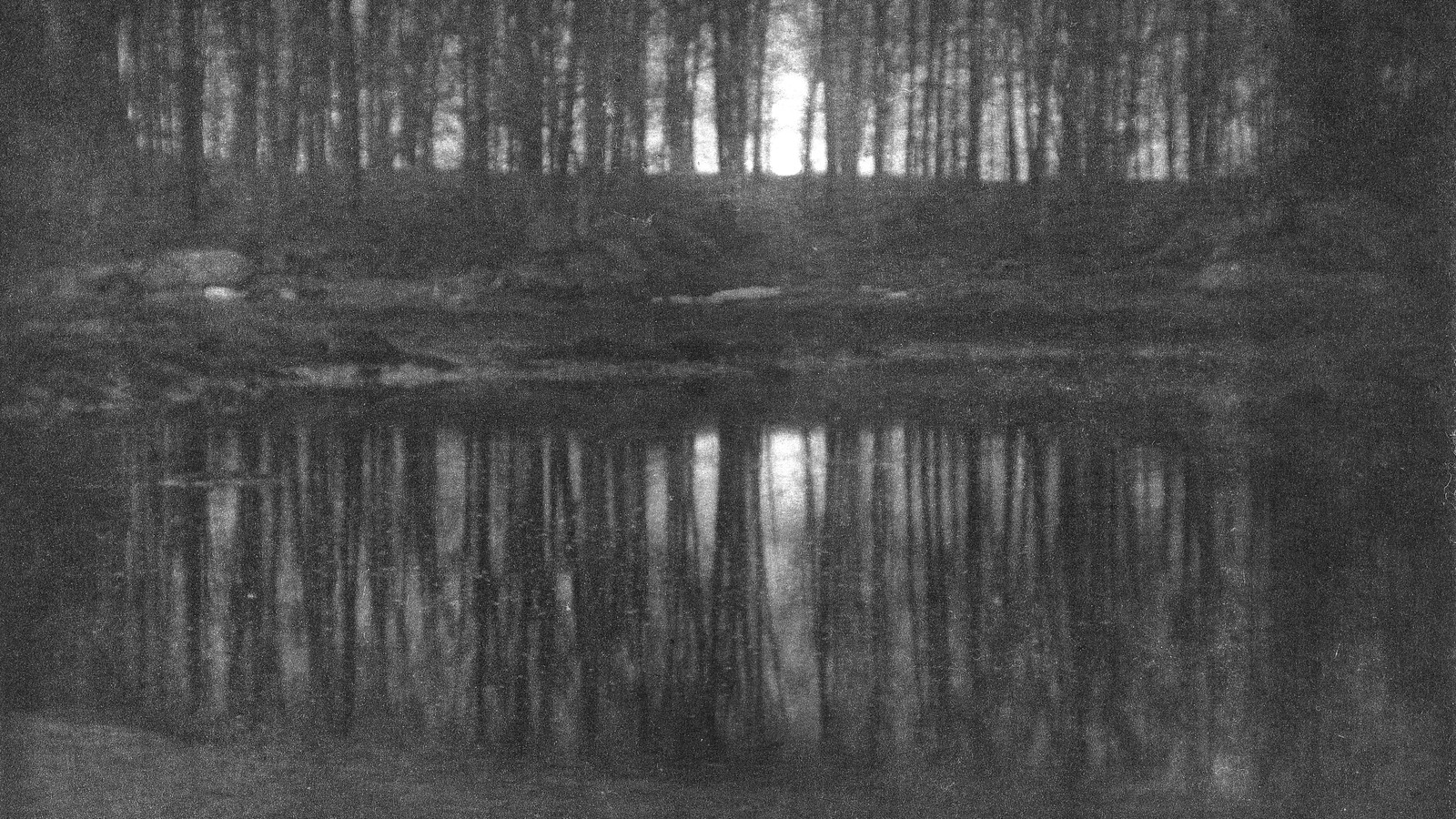
What the Pictorialists Got Right
Pictorialism was the movement that fought for photography to be taken seriously as art. Here is what it was, how it began, and why its core idea still makes for better black and white photographs today.
-
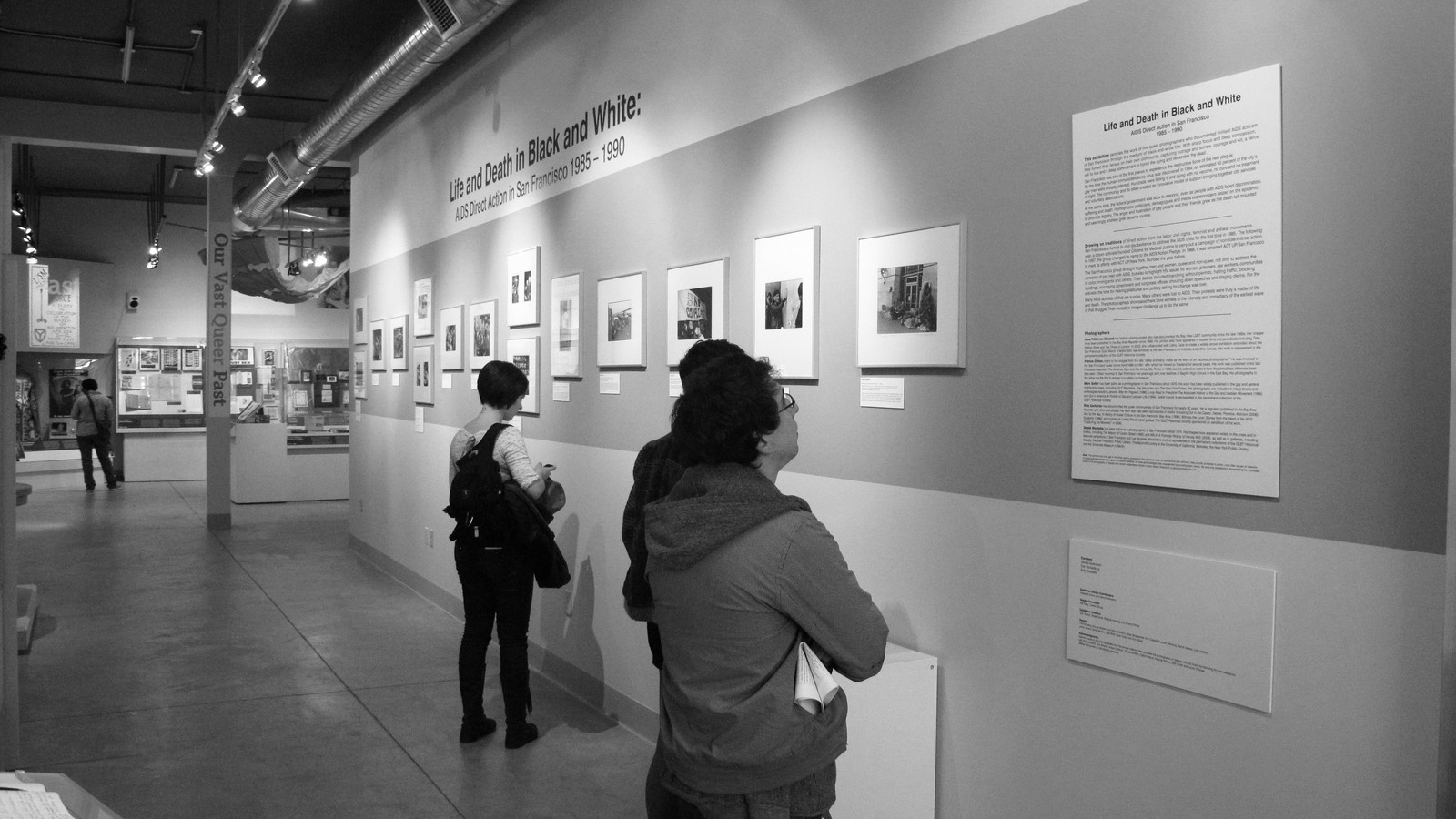
Stop Asking “What Camera Did You Use?”
It is the question every photographer hears in galleries and in comments. Here is why the camera tells us almost nothing about a photograph, and the better questions worth asking instead.
-
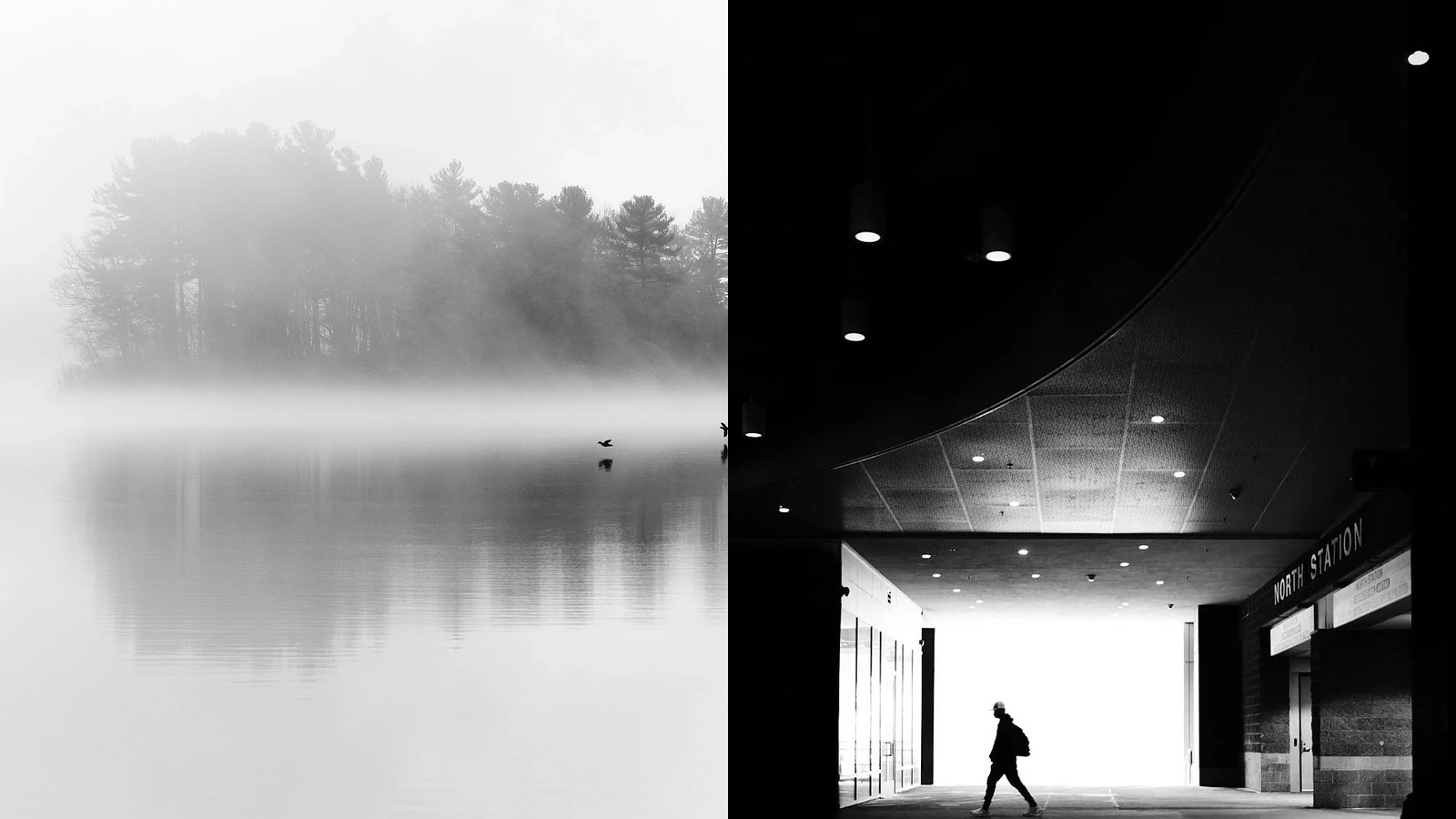
Overexposure, Underexposure and the Mood In Between
Your meter aims for middle gray, but the best black and white photographs rarely live there. Here is when to underexpose, when to overexpose, and how to do both on purpose.
-
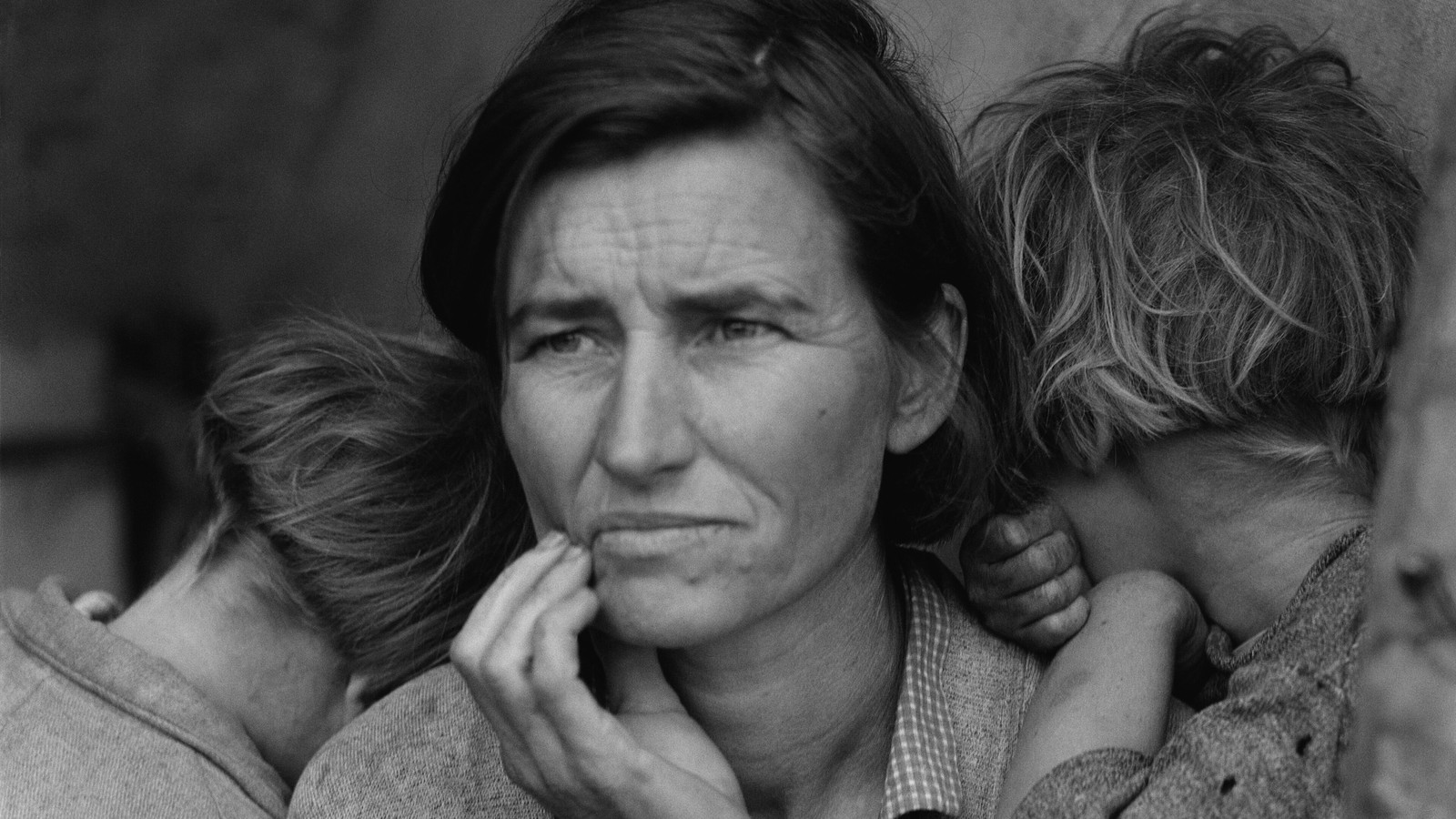
The Other Kind of Focus
A photograph can be perfectly sharp and still leave us cold. Here is the difference between optical focus and emotional focus, and why black and white photographs depend on getting the second one right.
-
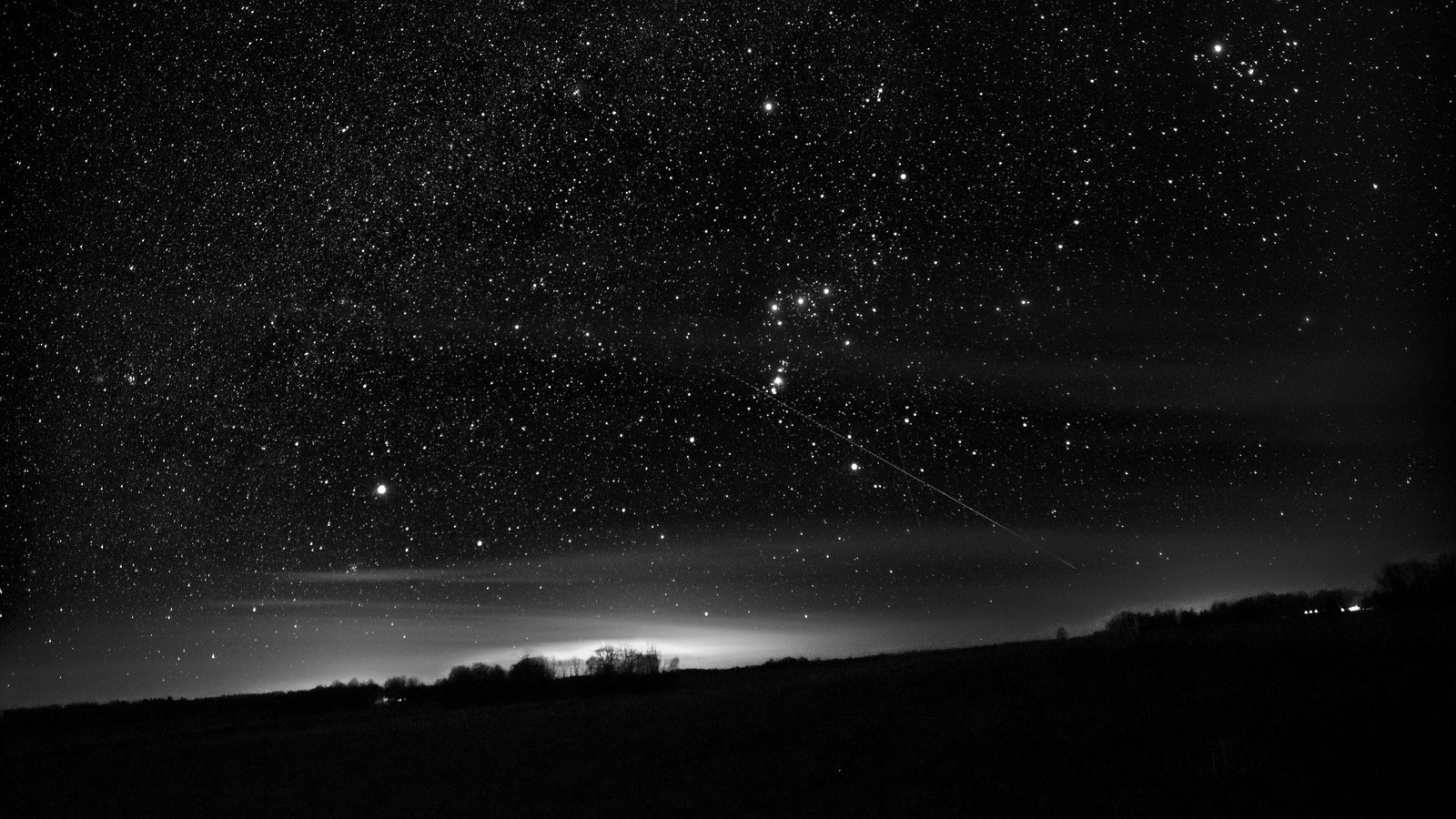
How Our Minds Organize a Black and White Photograph
Nobody has ever seen a hunter in the night sky, yet we all see Orion. Here is Gestalt psychology in plain terms, and how the way our minds organize what they see can make black and white photographs stronger.
-
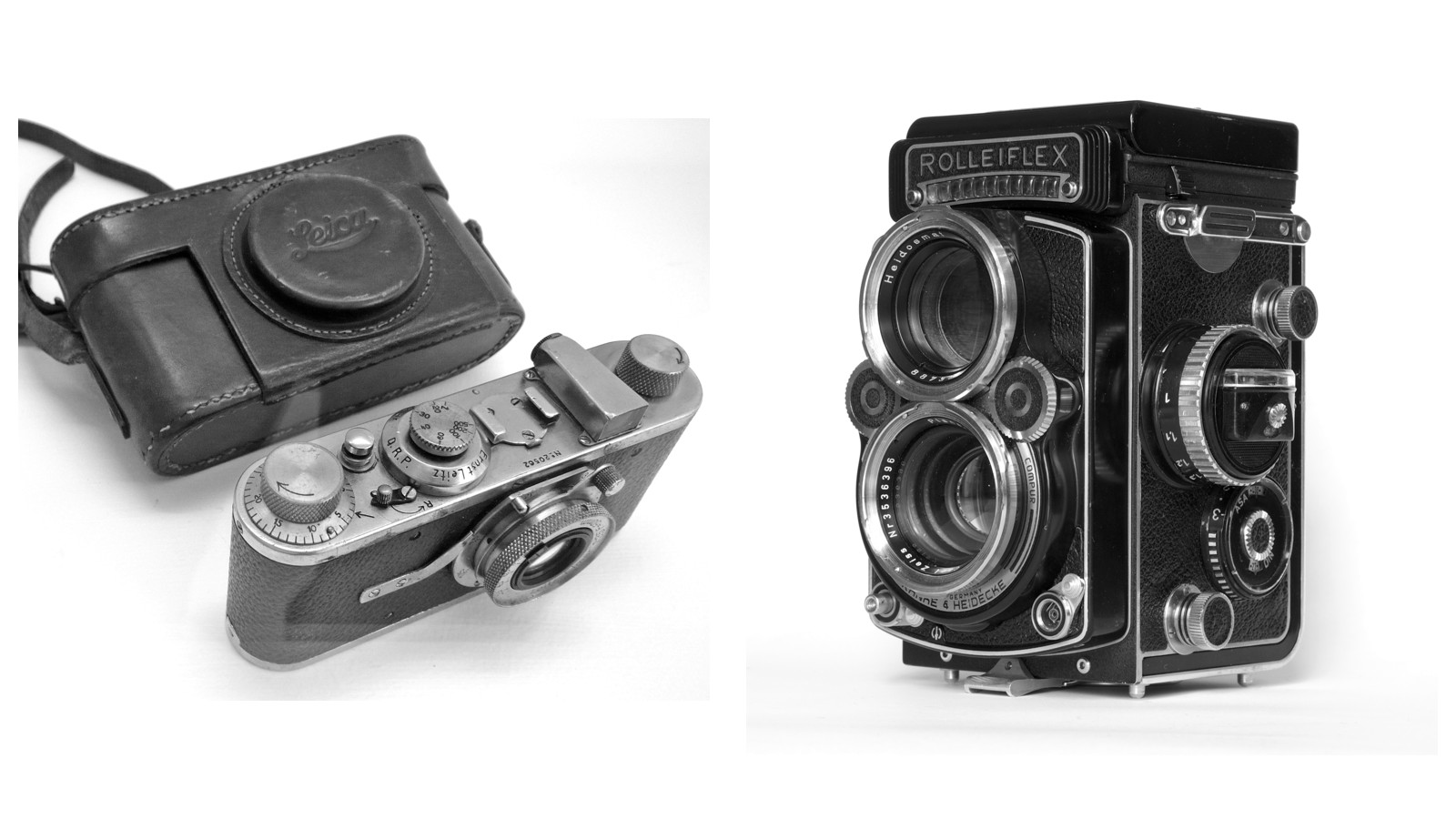
Cartier-Bresson Never Said a Word. Diane Arbus Knocked on the Door.
Henri Cartier-Bresson worked unseen. Diane Arbus walked up and got to know people. Two of the greatest black and white photographers, and two opposite answers to how close we should get.