The National Portrait Gallery only started collecting photographs in 1976. They now make up nearly half of everything the museum owns.
The Smithsonian’s National Portrait Gallery is marking fifty years of collecting photography with an exhibition of more than 120 portraits, running from November 14 this year until November 7, 2027. It is called Photographic Memory: Fifty Years of Collecting, it is curated by Ann Shumard, the museum’s senior curator of photographs, and it is arranged chronologically from 1843 to the present, opening with a timeline of the processes and inventions that carried the medium from one era to the next.
The anniversary is worth understanding. In 1976 the museum widened its collecting policy to include photographs, for a plain reason given in the announcement. Without them, it was close to impossible to show the faces of people who shaped the country but never sat for a painter or a sculptor. Fifty years later those photographs account for nearly half the collection.
What is going on the walls
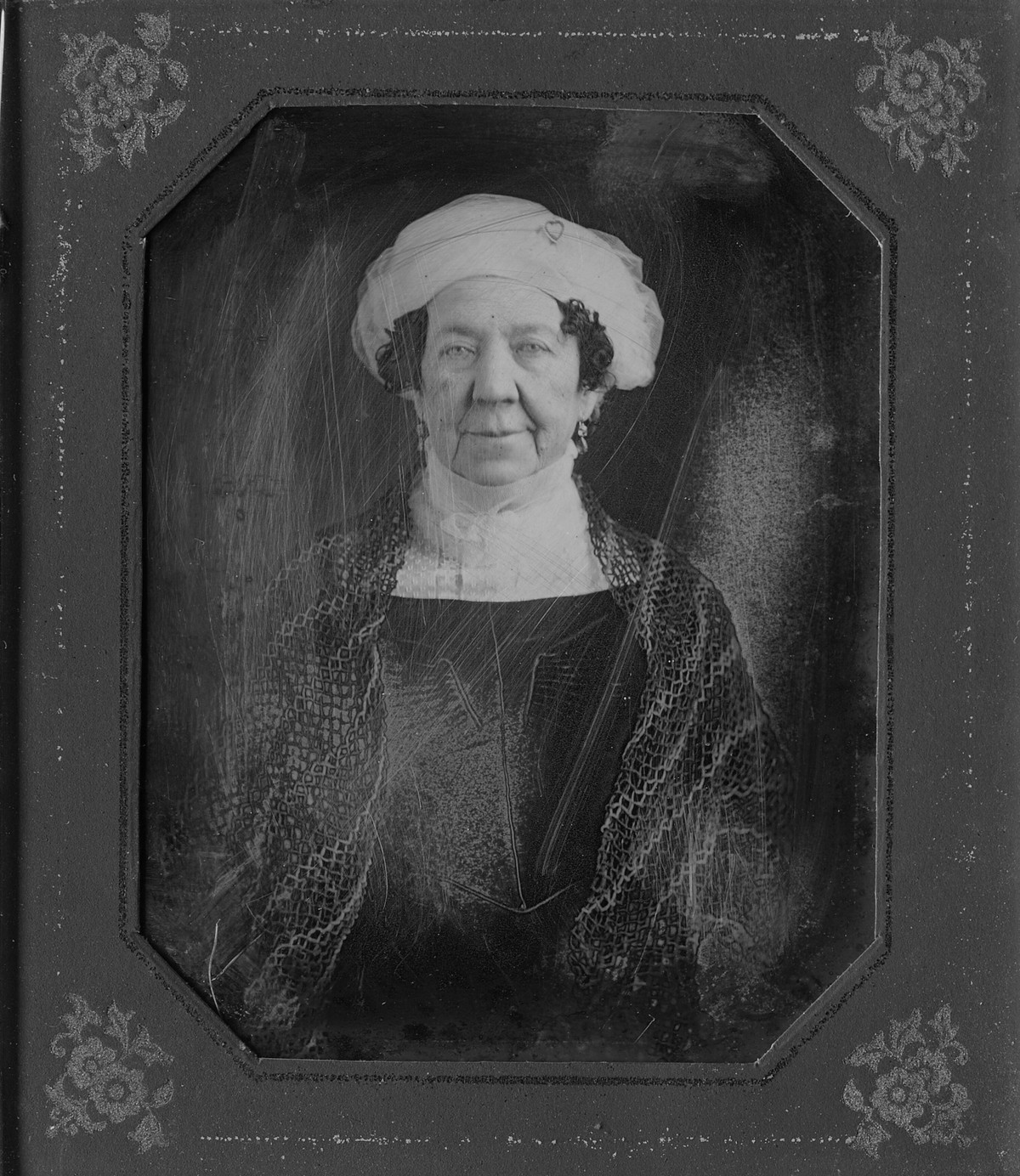
The headline pairing is two daguerreotypes. An 1846 quarter plate of Dolley Madison by John Plumbe Jr., shown for the first time since the museum acquired it in July 2024, will hang beside an 1843 half plate of John Quincy Adams. The museum says it is the first time the earliest known photographs of an American president and first lady have been displayed together.
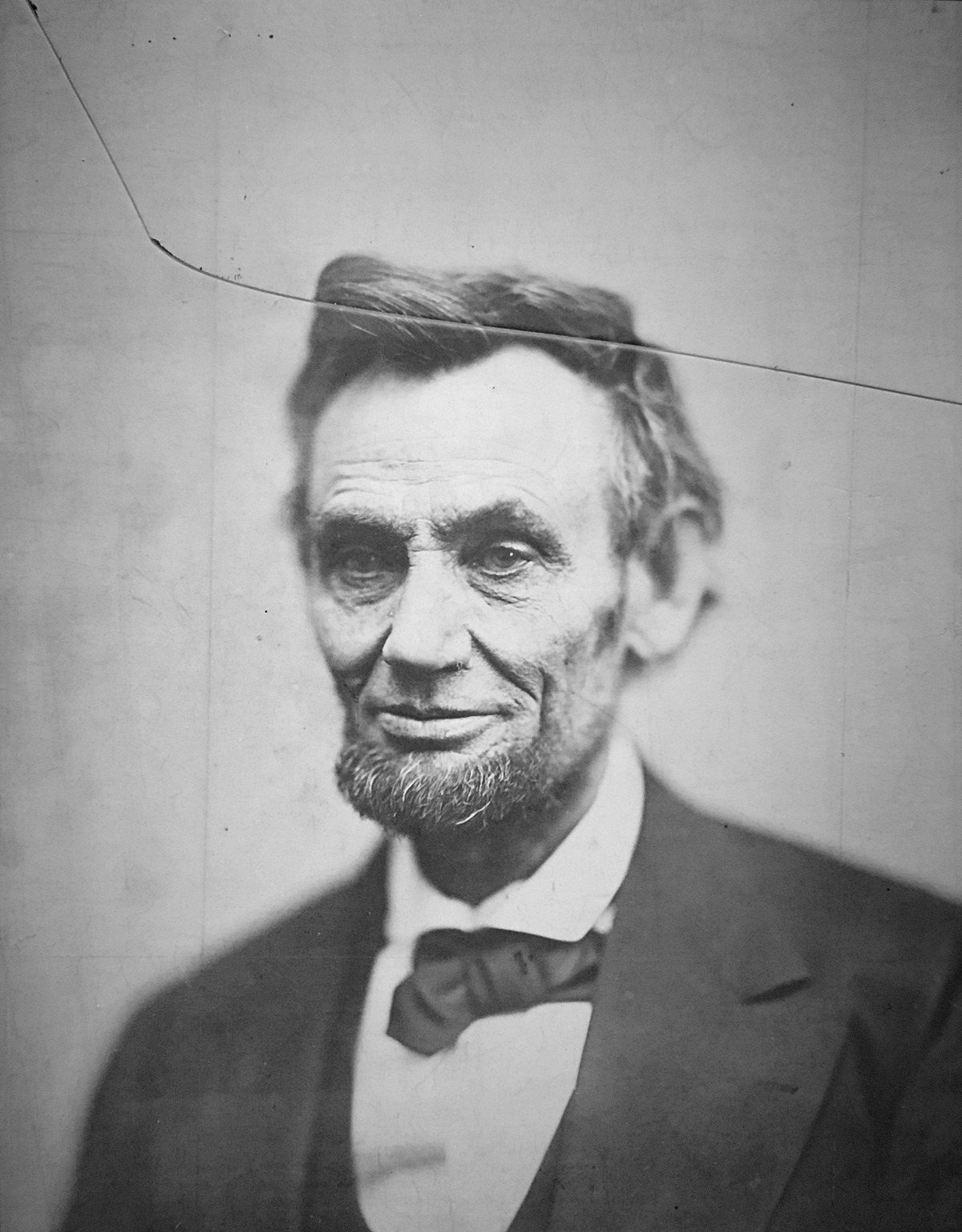
Alongside them is Alexander Gardner’s cracked plate portrait of Abraham Lincoln, made in 1865, where the glass negative split across the top of the frame and the print carries the line through it. There is a Julia Margaret Cameron portrait of Henry Wadsworth Longfellow, and rare cabinet cards of Ida B. Wells-Barnett by Sallie E. Garrity and of Ko K’un-hua by George K. Warren. Further along come Muhammad Ali, Althea Gibson, Billie Holiday, James Brown, Celia Cruz, Georgia O’Keeffe, Isamu Noguchi and Carrie Mae Weems, and two portraits being exhibited for the first time, Amanda Gorman photographed by Shawn Theodore and Christopher Reeve by Herb Ritts.
The list of photographers in the show reads like a syllabus. Mathew Brady, Alfred Stieglitz, Edward Steichen, Dorothea Lange, Ansel Adams, Philippe Halsman, Gordon Parks, Yousuf Karsh, Irving Penn, Richard Avedon, Diane Arbus, Annie Leibovitz, Robert Mapplethorpe, Anthony Barboza, Catherine Opie, Mickalene Thomas and Alec Soth.
Why a chronological hang matters for us
Most exhibitions group photographs by theme or by name. Hanging them in order does something different. It puts the processes in a line, so a daguerreotype on polished silver gives way to wet plate, then to gelatin silver, then to pigment and finally to files, and you can watch what each one did to a human face. The first century of that line is monochrome, not as a style but because there was nothing else, which makes a show like this one of the clearest ways to see how much of what we think of as black and white photography is really the fingerprint of a particular process.
The Lincoln is the example everyone will stop at. The crack is damage, the negative broke and only one print was ever made from it, and yet that line running above his head has become part of how the picture is read. It is a reminder that photographs are objects as well as images, something that is very easy to forget when the work lives on a screen.
If you are going
The show is on the museum’s second floor at Eighth and G streets in Washington, and like everything at the Smithsonian it is free. It runs for nearly a year, which is long enough to catch it on a trip rather than making a trip for it. A catalog written by Shumard, co published with Scala Art Publishers, follows in spring 2027.
Fifty years is not very long for a national collection, and it is a useful corrective to how settled photography feels now. The medium had been around for more than 130 years before this museum decided it belonged on the walls beside the paintings, and the people who argued for that change were making the same case F. Holland Day and the Pictorialists had been making since the 1890s.