The magazine that gave photography a mass audience also decided which half of the story ran.
Life announced this week that it’s going back to print on November 23. That date isn’t an accident. The first issue of Life came out on November 23, 1936, which makes the return exactly ninety years to the day, and the magazine has said it’s reintroducing itself in the same place the story started, with a nod to the Fort Peck Dam cover that Margaret Bourke-White shot for issue one.
What is actually coming back
The publisher is Bedford Media, the company run by Karlie Kloss and Joshua Kushner, which took the publishing rights in 2024 in a deal with Dotdash Meredith, now People Inc. The first issue runs 250 pages in a large format, costs $45, and was built with more than 120 contributors around the theme “Where Are We Now?” Hugo Lindgren is editor and Richard Turley is creative director, and there are plans for a website, short video and documentaries alongside the print object.
So it isn’t a weekly, and nobody has claimed it will be. It’s a thick, expensive thing to buy once and keep, which is a different proposition from the magazine that at its peak was mailing eight and a half million copies a week.
The first issue is a better story than we usually tell
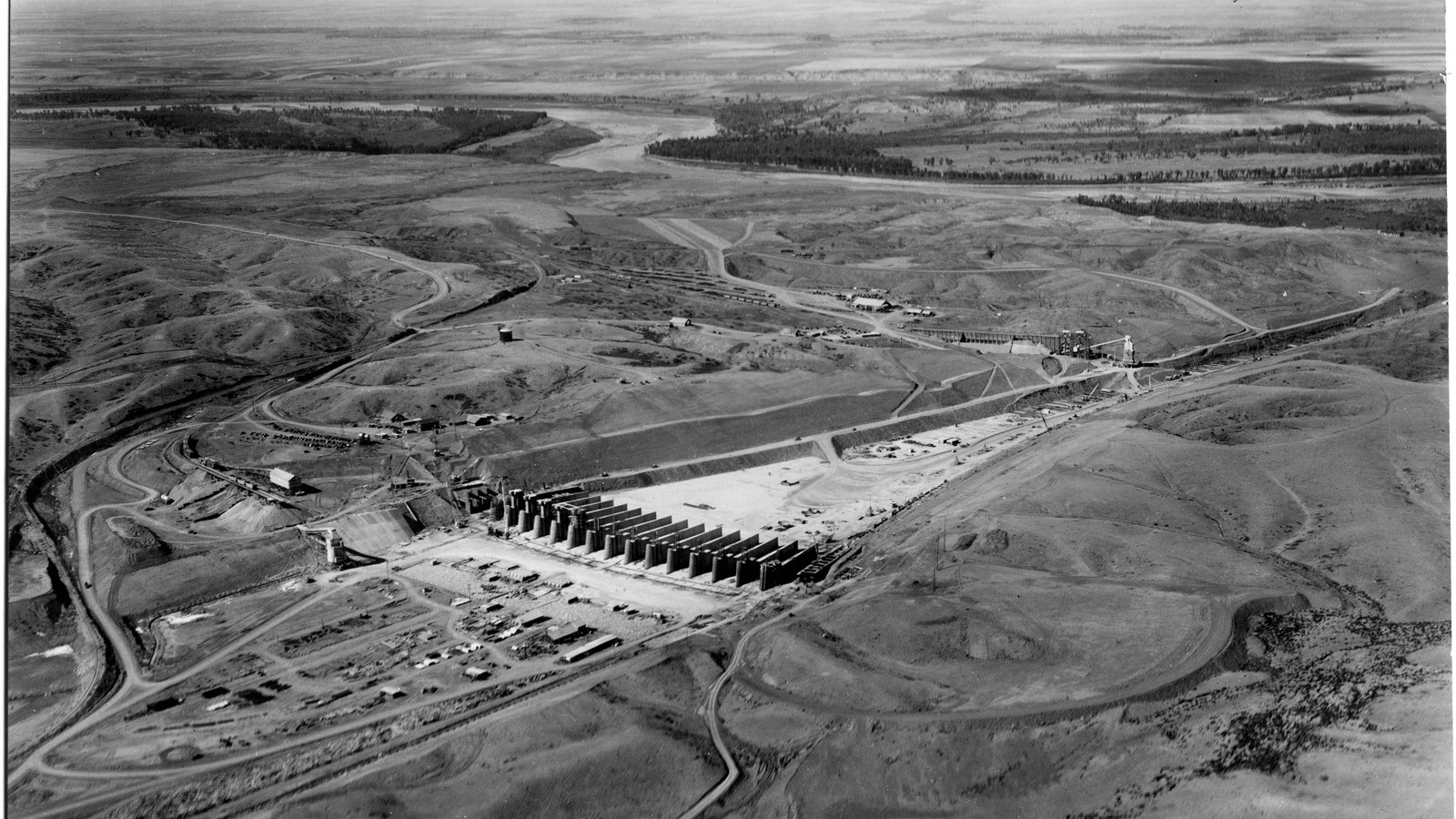
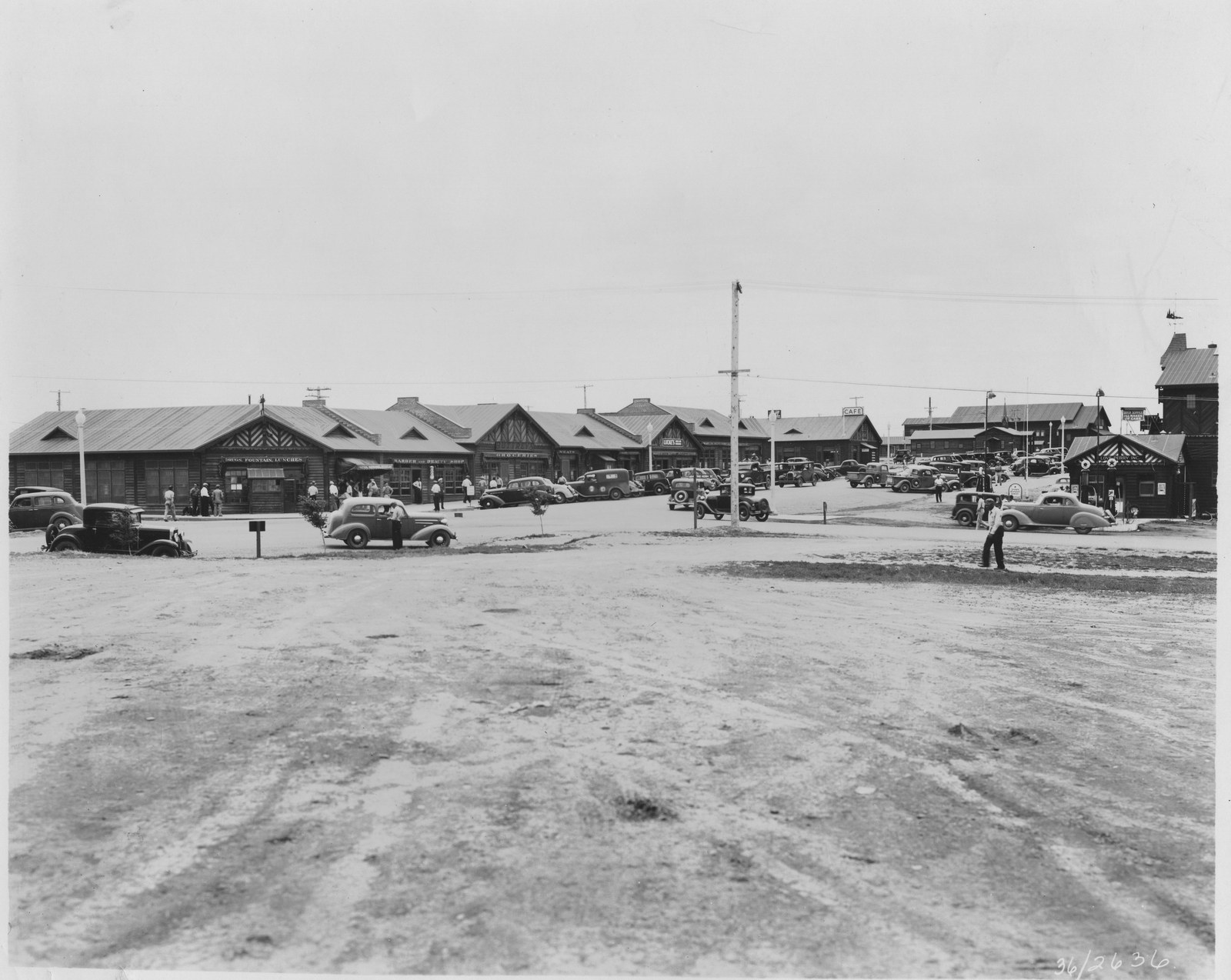
Henry Luce bought the name Life from a dying humor magazine because he wanted the word, and he launched his version on heavily coated paper at ten cents a copy with fifty pages of photographs and the text squeezed down into captions. The first issue sold 380,000 copies and was over a million a week within four months. Bourke-White was one of the four original staff photographers, and Luce sent her to Montana because he had read a piece about the rough shantytown life growing up around the construction of the Fort Peck Dam, then the largest earth dam in the world.
She came back with the whole thing, the work, the families, the people raising kids in a boom town in the middle of the Depression. Seventeen of her photographs ran. Eight of them were taken inside ramshackle saloons. The people of Fort Peck were not pleased, and Bob Sullivan, who edited Life’s books, put it plainly years later when he said she went out and got the whole story, brought it back to New York, and Luce wanted half of it.
The photo essay was never the photographer’s edit
That’s the part worth carrying around. Life invented the form that made photographers famous, and in the same move it handed the edit to somebody in an office in New York. The pictures were hers. The story was theirs. Everything we now take for granted about how a sequence of frames becomes an argument was worked out in that building, including the uncomfortable half of it.
Robert Capa came back from the first wave at Normandy with a handful of usable frames, and Life told readers the blur was his hands shaking. Capa said the darkroom had cooked his negatives, and he was still needling the magazine about it years later when he titled his war memoir Slightly Out of Focus. When Edward Steichen was assembling The Family of Man, his assistant Wayne Miller spent something like nine months inside Life’s archive working through three and a half million images, most of them still original negatives, because it wasn’t until the last years of the war that the picture department started printing contact sheets of every assignment. That’s the scale of what sat unseen behind the handful of frames a reader ever got to look at.
The pictures aren’t part of the deal
Here’s the detail that only matters if we care about photographs. Bedford has the title and runs the operation, but People Inc. kept the Life photography and content archives, the whole thing going back to the 1930s, and can still put out its own one off issues under the name. Google has been hosting more than six million of those photographs since 2008. So the magazine coming back on November 23 carries the logo and none of the library, which means it has to be worth reading on the strength of pictures that don’t exist yet.
That’s a harder brief than it sounds, and it’s also the only honest one. Nobody needs a nostalgia object with Eisenstaedt reprints in it. What made Life matter wasn’t that it owned great photographs, it’s that it paid people to go and make them, gave them weeks instead of hours, and then printed them big on good paper where black and white actually had somewhere to go.
We’ll find out on November 23 which of those things came back with the name. The format is right, because a 250 page object printed at that size is genuinely the best place monochrome has ever had, far better than a phone screen. Whether there’s a commitment behind it to send somebody to Montana for three weeks is a different question, and it’s the one that decides if this is a magazine or a souvenir.
Sources: PetaPixel and NPR on the first cover story. Cover of the June 19, 1944 issue of Life, the issue that carried Robert Capa’s Normandy photographs, in the public domain because the copyright on that volume was never renewed. Photographs of the Fort Peck Dam and settlement in 1936 by the United States Army Corps of Engineers, public domain.