The finish is applied by hand in Wetzlar, and no two cameras come out the same.
Leica has released two special editions sharing one idea. The M-A Hammertone is a fully mechanical film camera and the M11-P Hammertone is a 60 megapixel digital one, and the only thing joining them is a paint finish.
What hammertone actually is
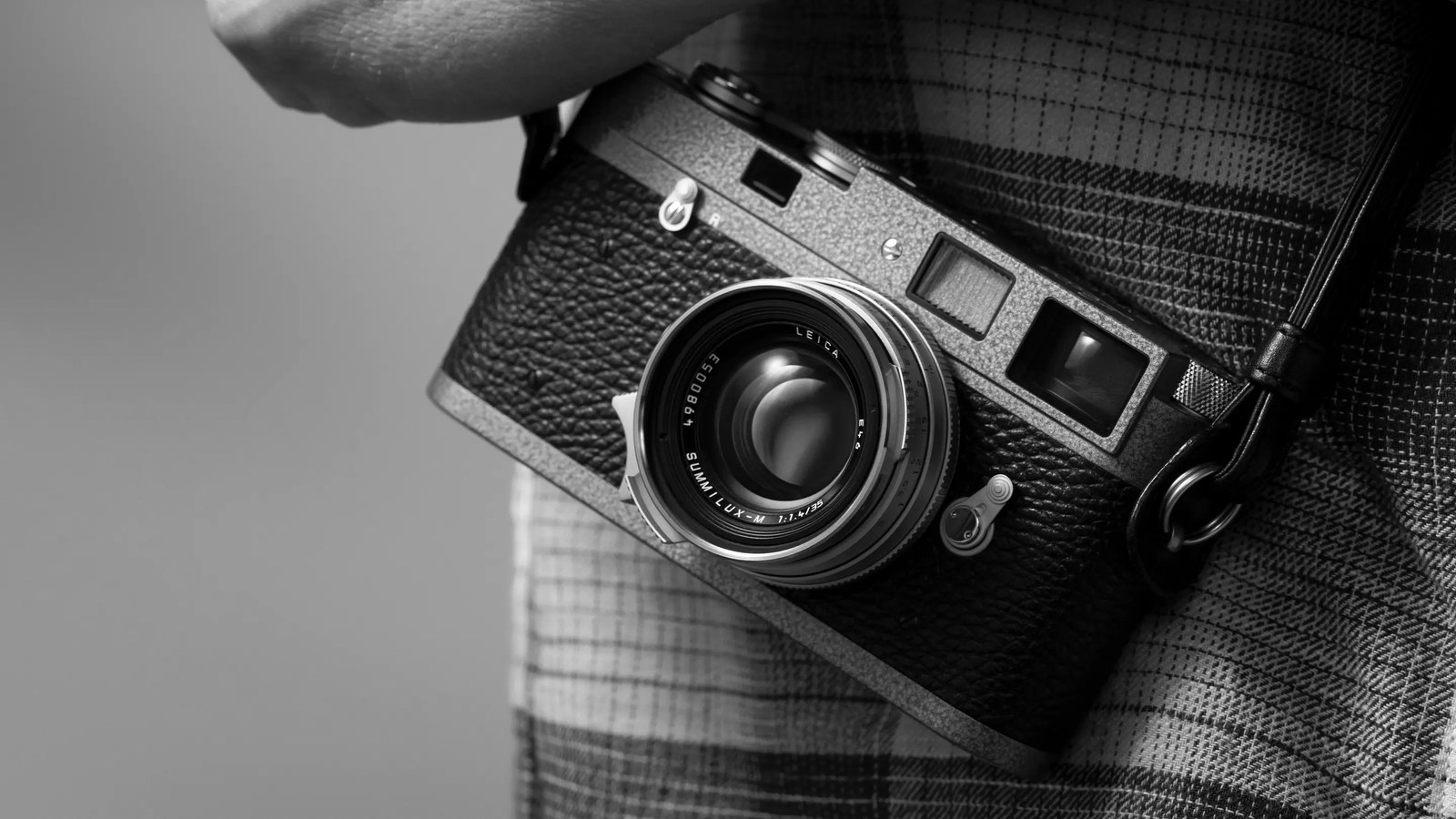
It’s a paint that has been used on high quality technical instruments since the 1930s, and the texture isn’t stamped or etched into the metal. It appears as the paint dries. Metal pigments and additives in the mix create small variations in surface tension while it cures, and what’s left behind is a hammered look that was originally a sign the equipment underneath was built to last.
Leica says specialist staff at the Wetzlar factory apply it by hand to each camera, which is why the company can claim no two are identical. The top and base plates on both cameras are solid brass underneath.
The two cameras
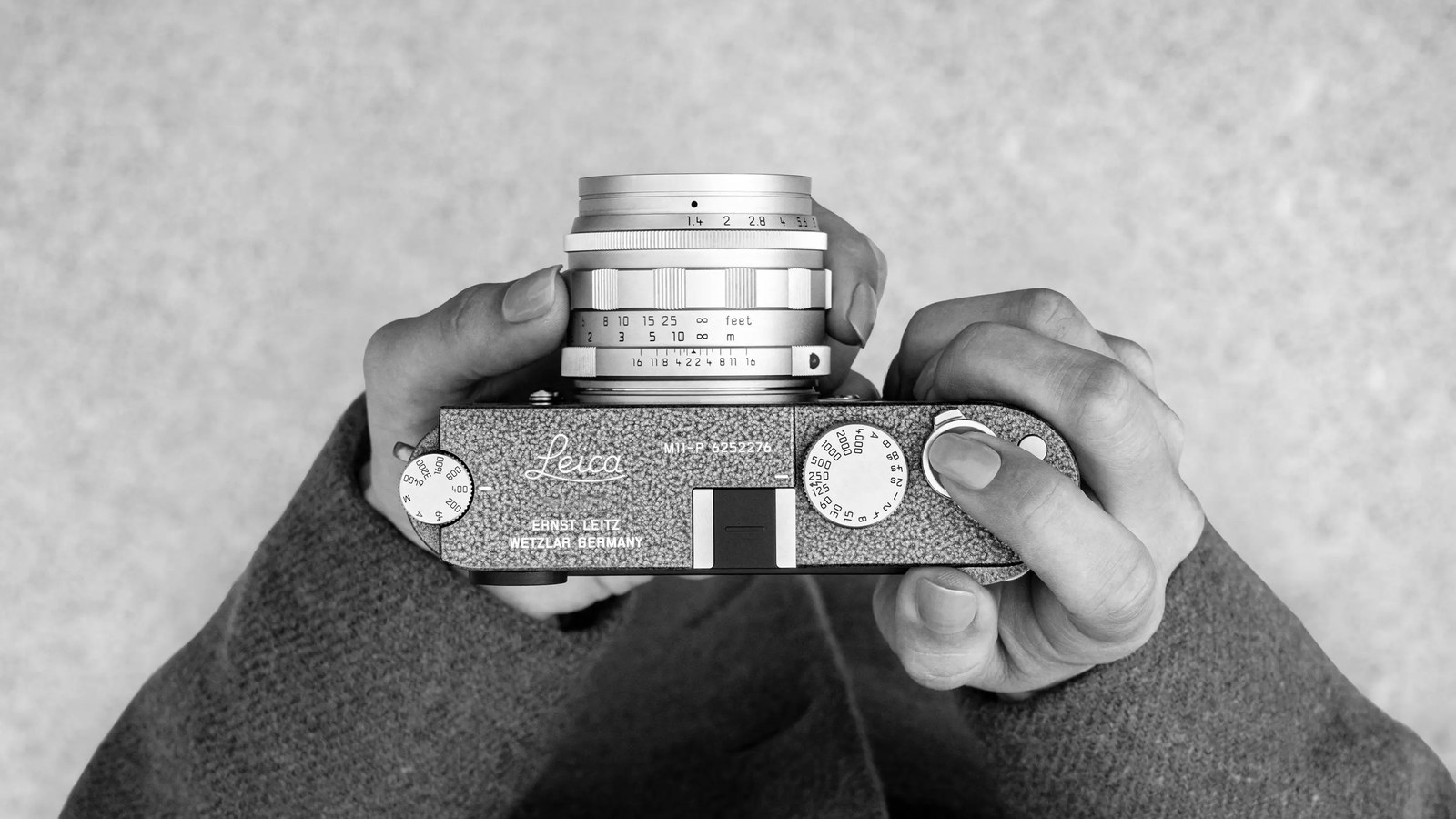
The M-A is the one with nothing in it. No meter, no battery, no electronics at all. You set the aperture, the shutter speed and the focus, and the camera does nothing else. The Hammertone version adds cross knurling, silver chrome accents, white outlined engravings and black leatherette in the old vulcanite style.
The M11-P Hammertone is technically the standard M11-P. That means the full frame sensor with Triple Resolution at 60, 36 and 18 megapixels, 256GB of internal memory, a sapphire crystal screen and Leica Content Credentials, the content authentication system built to the C2PA standard that the M11-P introduced. Leica describes neither camera as a numbered limited edition.
What they cost
Reported at $8,000 for the M-A Hammertone and $10,950 for the M11-P Hammertone, which puts them around $1,000 and $550 above the standard versions. Leica’s own product pages carry no price.
Whether the finish changes anything
It changes nothing in a photograph and Leica isn’t claiming otherwise. What’s on sale is the fact that no two are alike, which is either a strange thing to pay several hundred dollars for or a completely reasonable one depending on how you feel about owning objects.
The part we found more interesting is that Leica announced a film camera and a digital camera together, as equals, with the same finish and the same justification. There aren’t many manufacturers left who could do that and mean it. A company that still sells a camera with no battery in it, alongside one that cryptographically signs every frame, is making a quiet argument about what the M is, and the paint is the least of it.