Seven platinum prints from 1898 just became the most expensive photograph a museum in Ohio has ever bought. Hardly anyone outside the field knows them.
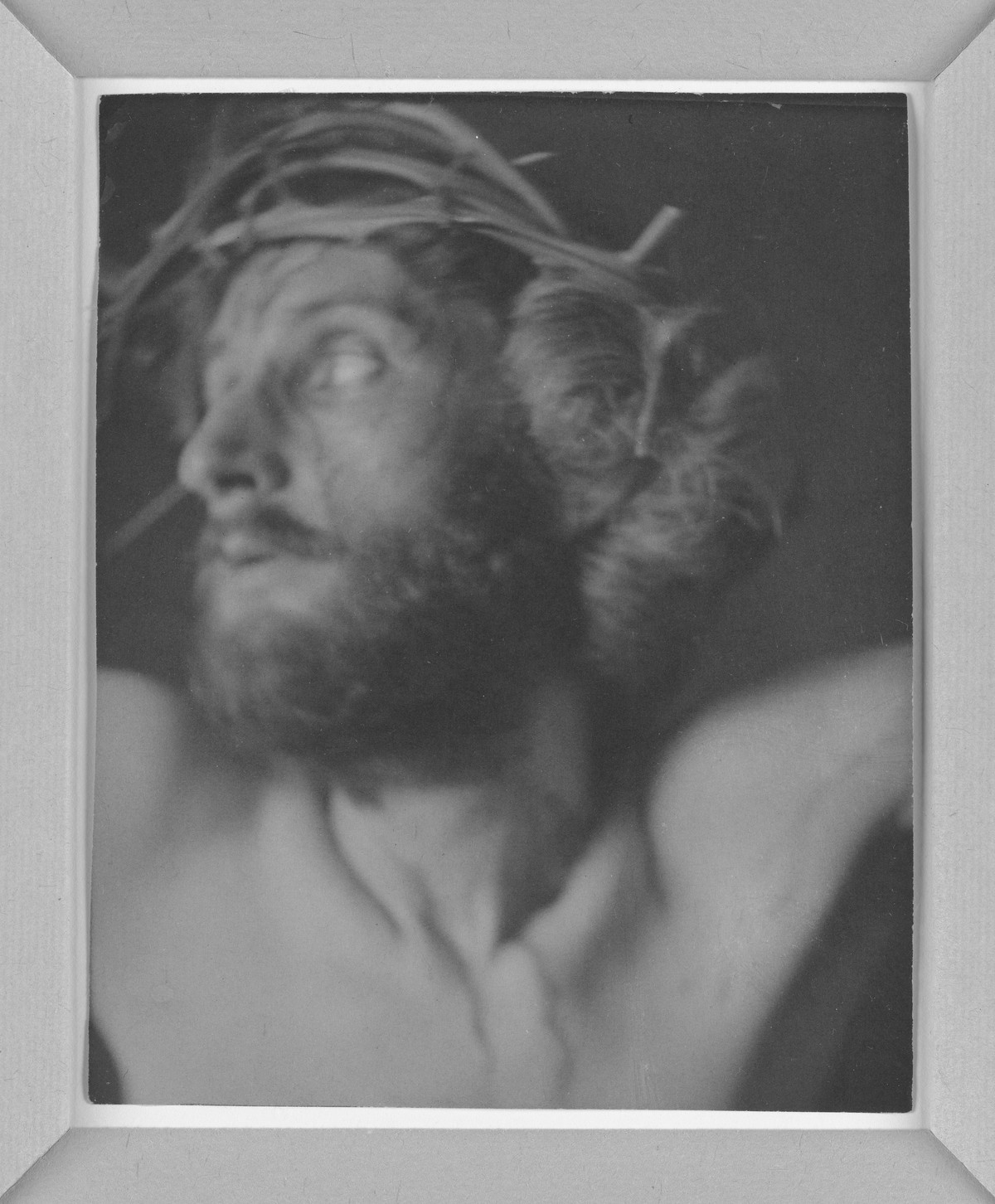
The Toledo Museum of Art has acquired The Seven Words, a set of seven platinum prints made in 1898 by the American photographer F. Holland Day. According to The Art Newspaper, it is the most expensive work of photography the museum has ever purchased and the first piece by Day to enter its collection. It is one of only three known sets. The other two are at the Metropolitan Museum of Art in New York and the Museum of Fine Arts in Boston.
The museum’s director, Adam M. Levine, described it as the most important photograph that people do not know about, which is a strange thing to say about a work of this stature and also completely fair.
What the work is
Seven close up photographs of a face, mounted in a row inside a carved frame, each one carrying one of the seven last sayings attributed to Christ on the cross. The face is Day’s own. He photographed himself in the role at his home outside Boston, staging the whole thing with props and costume, and showed the finished series at the Philadelphia Photographic Salon in 1898. PetaPixel reports that he worked through some 250 plate studies to get about a dozen that held up.
Photographing yourself as Christ in 1898 was as provocative as it sounds, and some critics at the time said so loudly. Day was unbothered. He was one of the leading American Pictorialists, part of the generation arguing that a photograph could be art rather than a mechanical record, and this was his argument made as literally as he could make it, a photographer using himself as the material for a subject painters had been granted for centuries.
Why platinum matters here
The reason this work survives as well as it does, and the reason it looks the way it looks, is the printing. Platinum prints hold a very long tonal scale, with blacks that sit deep without going dead and midtones that run on and on between them. The image sits in the paper rather than on top of it, so the surface is matte and the detail feels embedded rather than laid over the top. Platinum is also chemically stable, which is why a print from 1898 can still read exactly as its maker intended while silver prints from decades later have shifted and stained.
Anyone who works in black and white and has ever fought with a print that goes from gray to black in one short step should spend time with a platinum print in person. It is the clearest argument we know for why the middle of the tonal range deserves as much attention as the ends of it.
When you can see it
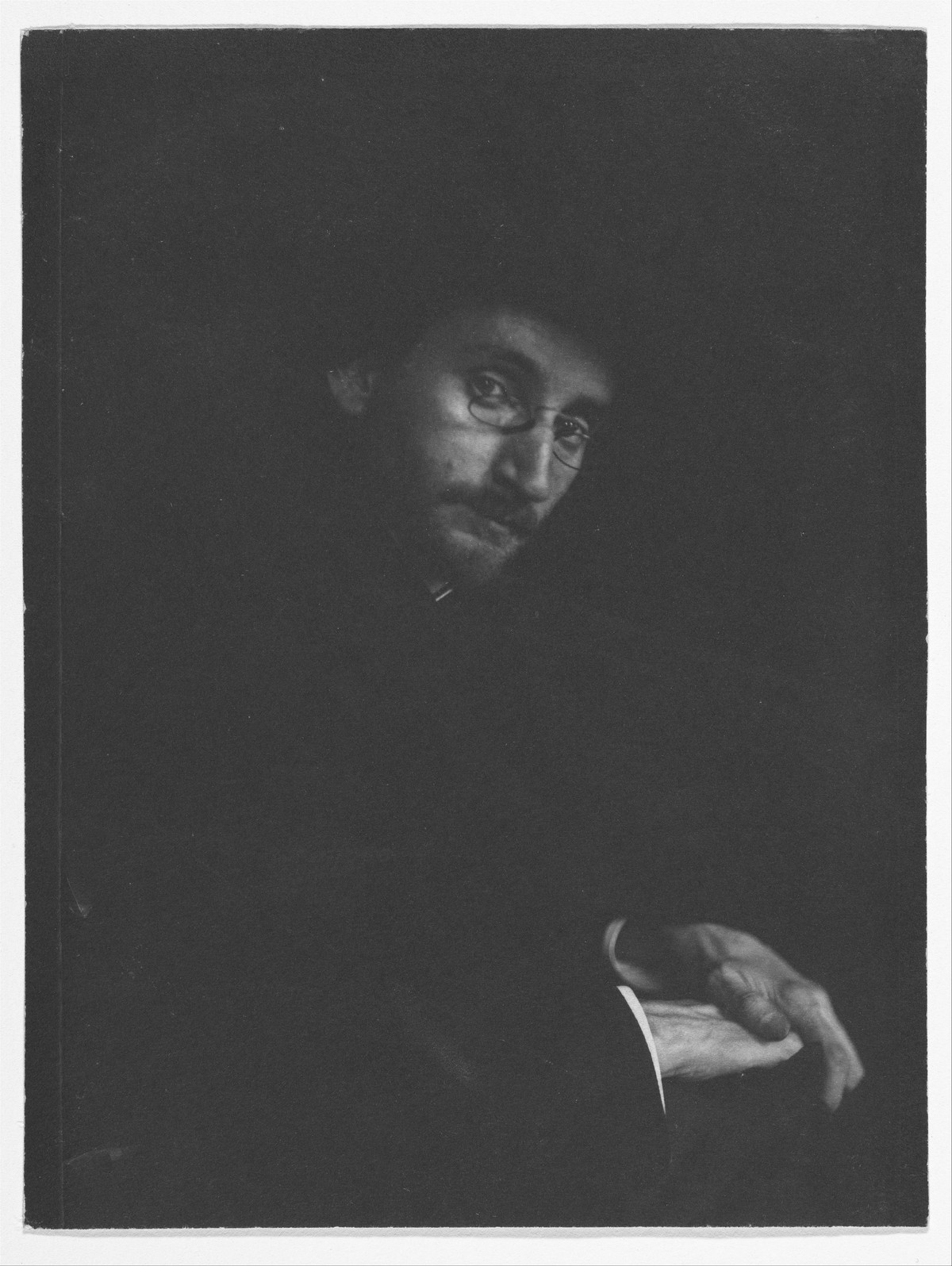
Toledo says the work goes on view next year, when the museum reopens after a major reinstallation of its permanent collection. Until then the Met and the MFA hold the other two sets, and both have images online.
What is worth noticing in all of this is the price. A museum spending more on a set of 1898 photographs than it has ever spent on a photograph says something about where photography now sits in the hierarchy that Day spent his career arguing with. He wanted the medium taken as seriously as painting. It took about a century and a quarter, and the receipt finally arrived in Ohio.