Nikon’s cheapest full frame camera yet leaves out the viewfinder. For anyone who shoots in black and white, that is a stranger trade than it first sounds.
Nikon has announced the Z5IIC, a full frame mirrorless camera that takes the Z5II, removes the electronic viewfinder and a few other things, and comes in $450 cheaper. It sells for $1,399.95 for the body, or $1,699.95 with the 24-50mm f/4-6.3 kit lens, in silver or black, and it ships in mid October. Nikon is open about who it is for, describing it as a camera for first time mirrorless users, but the specifications are more interesting than that suggests.
What Nikon took out
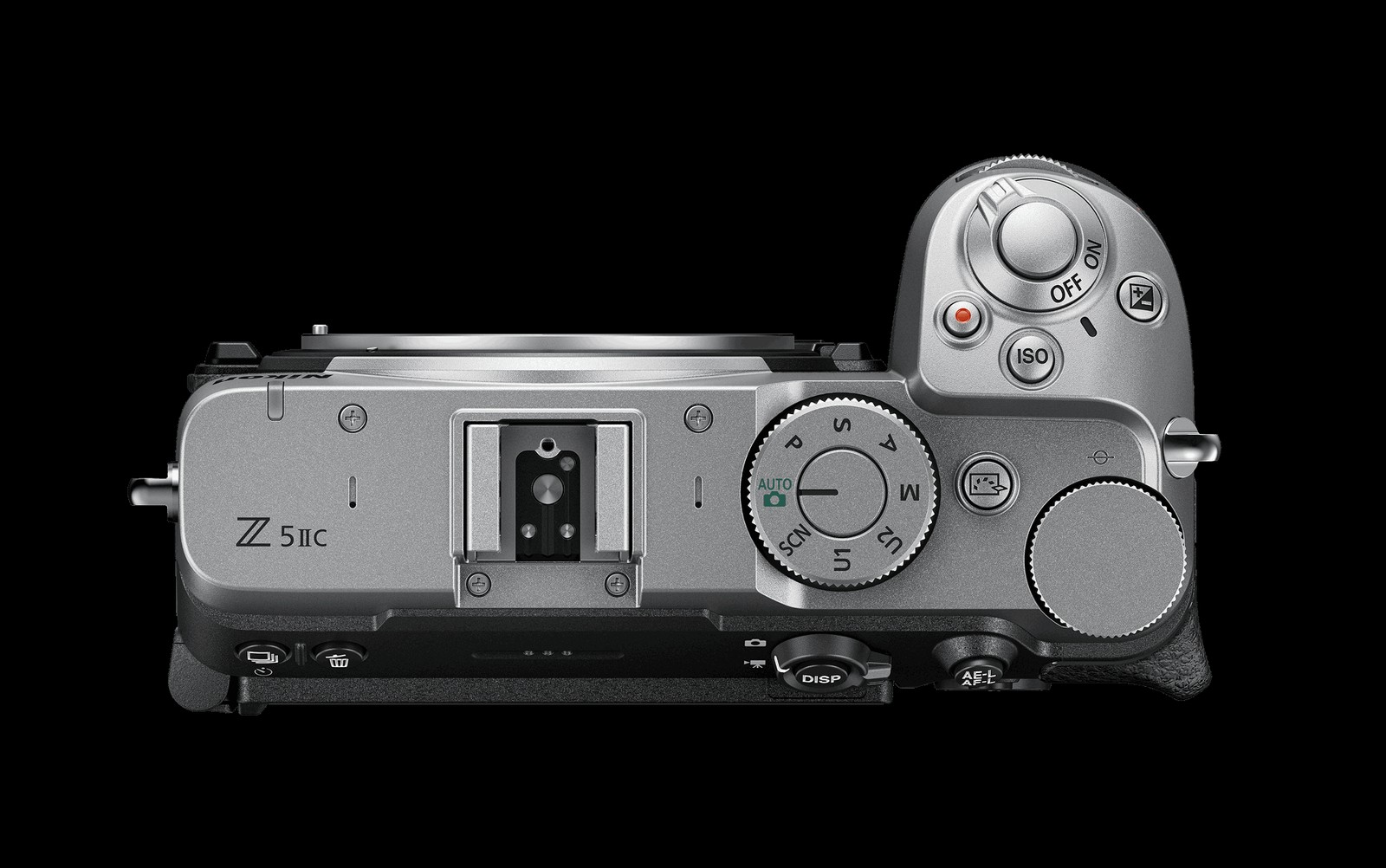
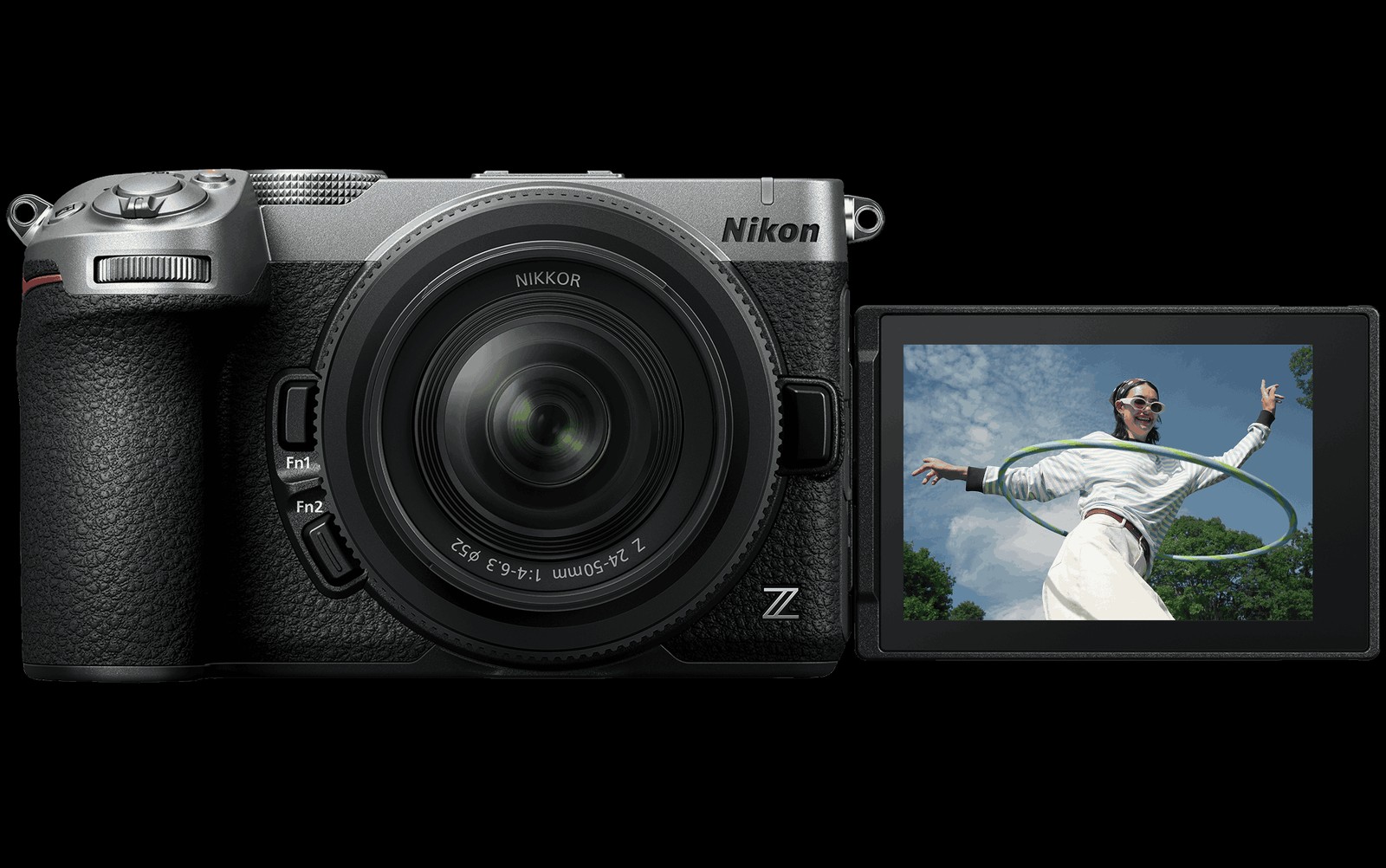
The viewfinder is the headline. There is no EVF at all, so the flat topped body is framed entirely on the back of the camera. The rear screen is a 3.2 inch fully articulating touchscreen, but at 1.04 million dots it has about half the resolution of the one on the Z5II. The second card slot is gone, leaving a single SD slot, and so is the autofocus joystick. That is the whole list, and it adds up to a body that weighs 620 grams instead of 700.
What it keeps
Almost everything that makes a photograph. Inside is the same 24.5MP backside illuminated full frame sensor and EXPEED 7 processor as the Z5II, with five axis stabilization rated by Nikon at up to 7.5 stops in the center of the frame and 6 stops at the edges. It shoots at about 14 frames per second, or up to 30 in a high speed mode, and it has pre release capture that holds on to the second before the shutter is pressed. ISO runs from 100 to 25600 with expansion well beyond that, and the autofocus is the subject detecting system from the rest of the current Z range.
Composing in black and white, all the time
Here is where it gets interesting for us. Nikon’s monochrome picture controls are all here, including Flat Monochrome and Deep Tone Monochrome, and so is the Film Grain function that arrived with the Zf, which lets you set the size and the intensity of the grain rather than accepting one canned look. Set one of those and the camera shows you the scene in black and white while you frame it. On a camera with no viewfinder, that preview lives on a 3.2 inch screen held out in front of you, which is a very different way of working, closer to a waist level finder or to the phone in your pocket than to a rangefinder held up to the eye.
Whether that suits you depends on how you photograph. Seeing tones rather than colors before you press the shutter is the fastest way we know to learn to see in monochrome, and a big screen makes that easier than a small one. We have said much the same about the mono switch on the new PEN and about the black and white setting hiding in every phone. The catch is sunlight. A screen you cannot see in bright light is a screen you end up guessing with, and a viewfinder has always been the answer to that problem.
The C does not stand for monochrome
It is worth saying plainly, because the name invites the question. This is not a dedicated black and white camera. The sensor has a color filter array like any other, and the monochrome work happens in the picture controls or later in editing. Cameras built without that filter are still a very short list, and we went through what that actually buys you in the great monochrome debate. What the Z5IIC offers is a cheap route into full frame files that hold up well when you convert them, which is a different thing and, for most of us, the more practical one.
The catch
Beyond the missing viewfinder, the lower resolution screen makes checking manual focus harder, which matters if you use adapted lenses, and plenty of black and white photographers do. Battery life is rated at 350 shots, the single card slot means no in camera backup, and losing the joystick means moving the focus point by touch. None of that is unusual at this price, but it is the difference between a camera you carry everywhere and one you would rely on for work you cannot repeat.
Still, $1,399.95 for a stabilized full frame body with that sensor is a real number, and the money saved buys a lens, which is where it belongs. If you are happy working at arm’s length and want to see your frames in black and white while you make them, this is a cheaper way in than anything else Nikon sells.