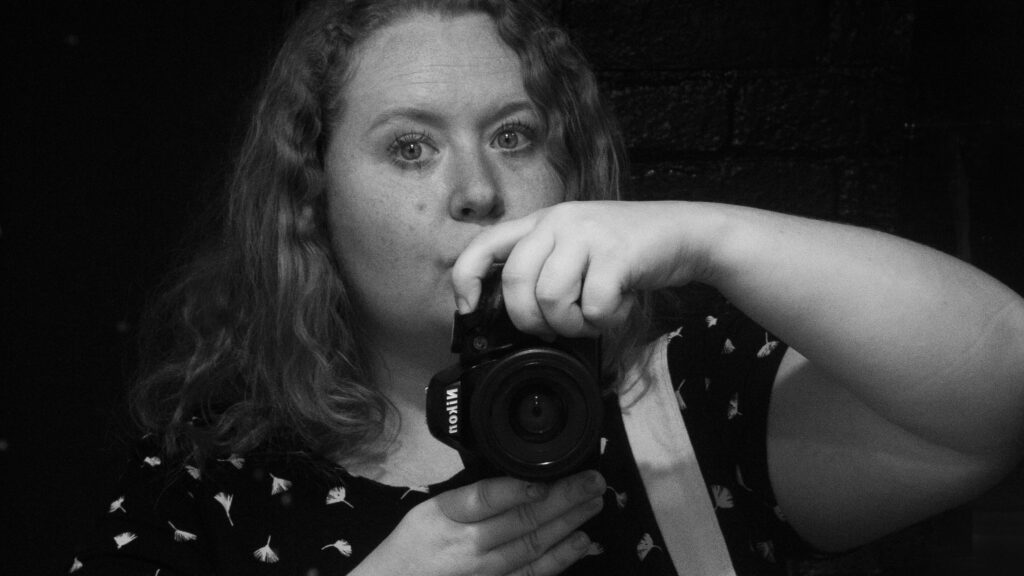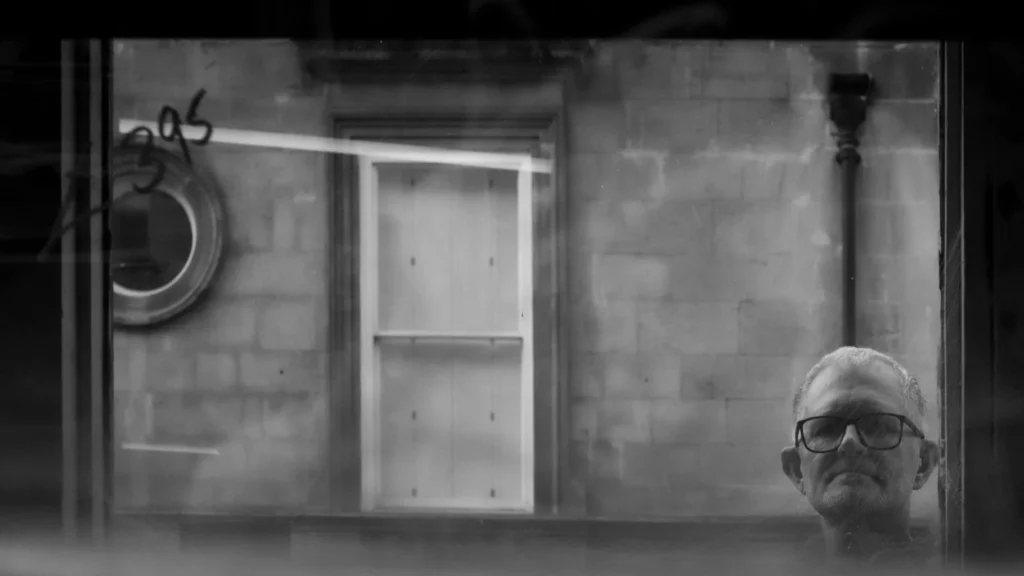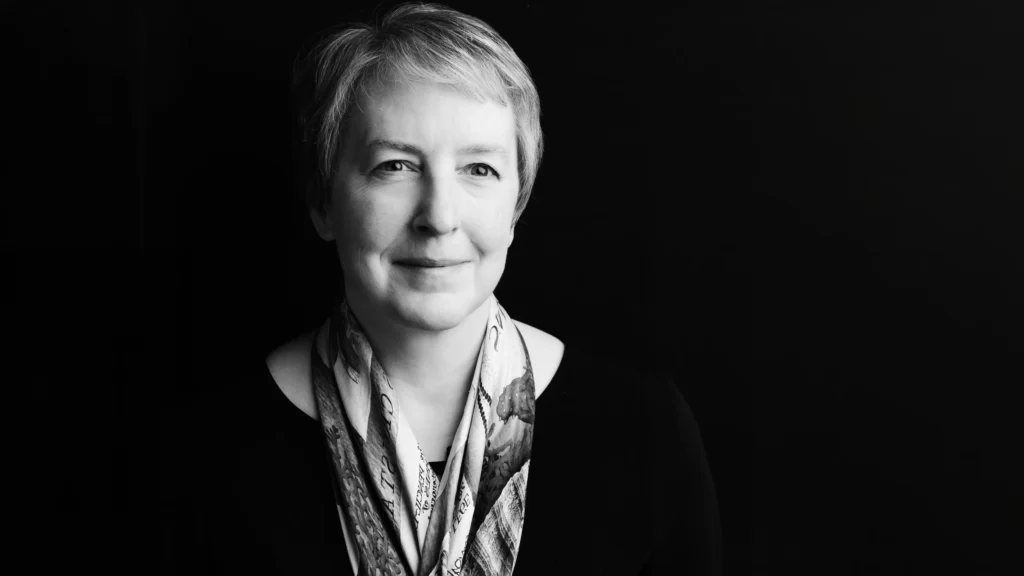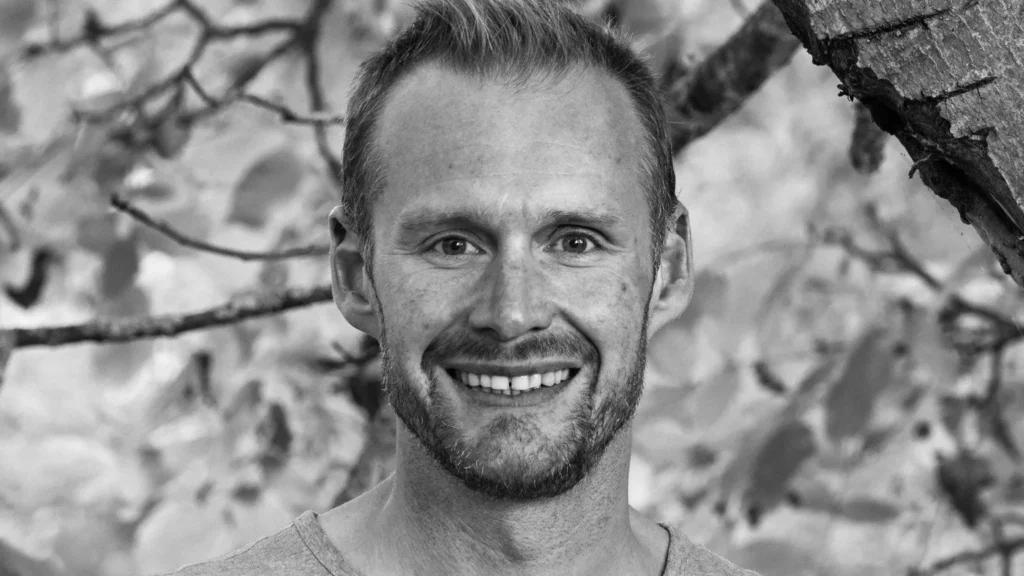
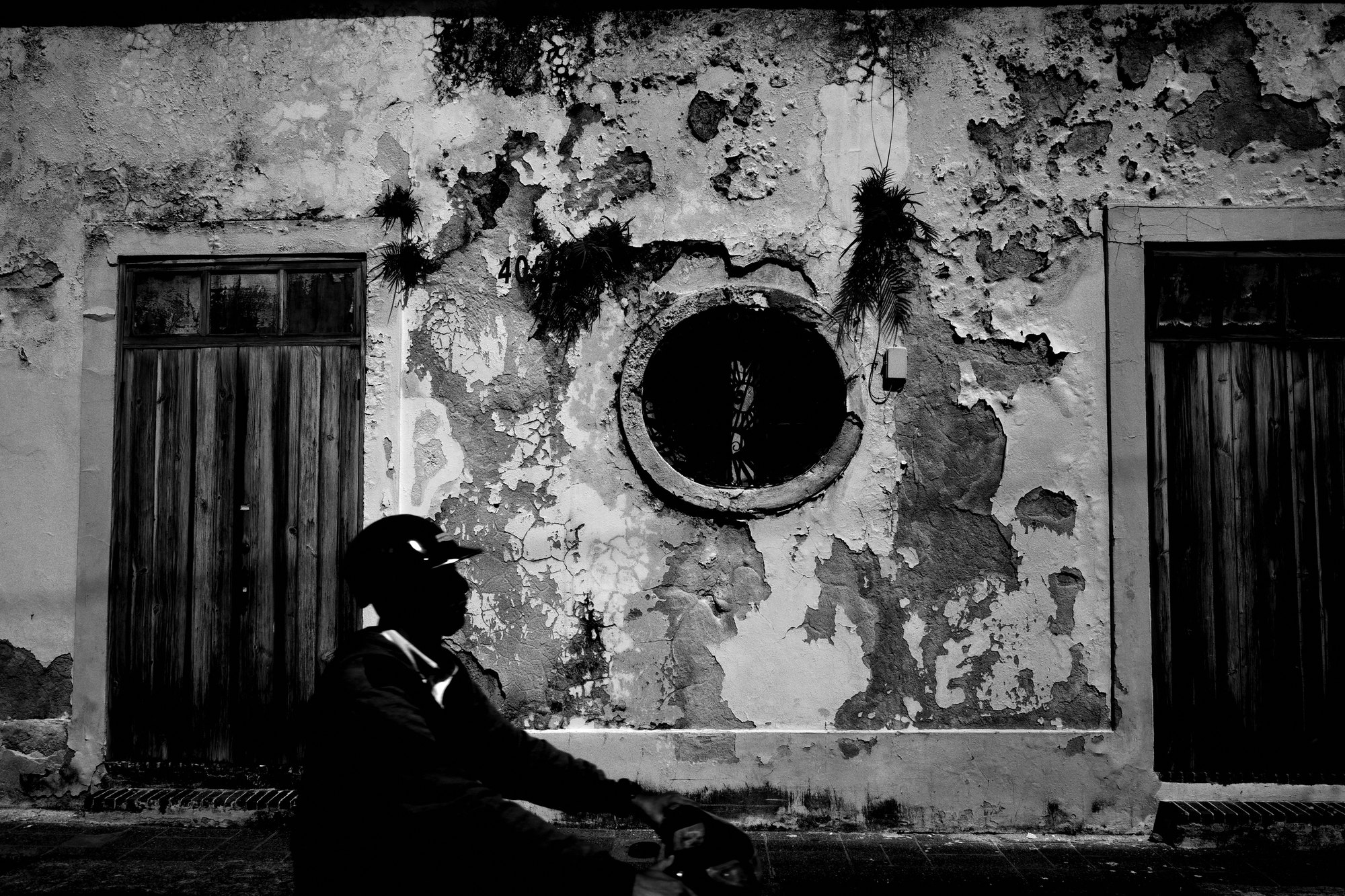
A Photo Story: The First City in the Americas
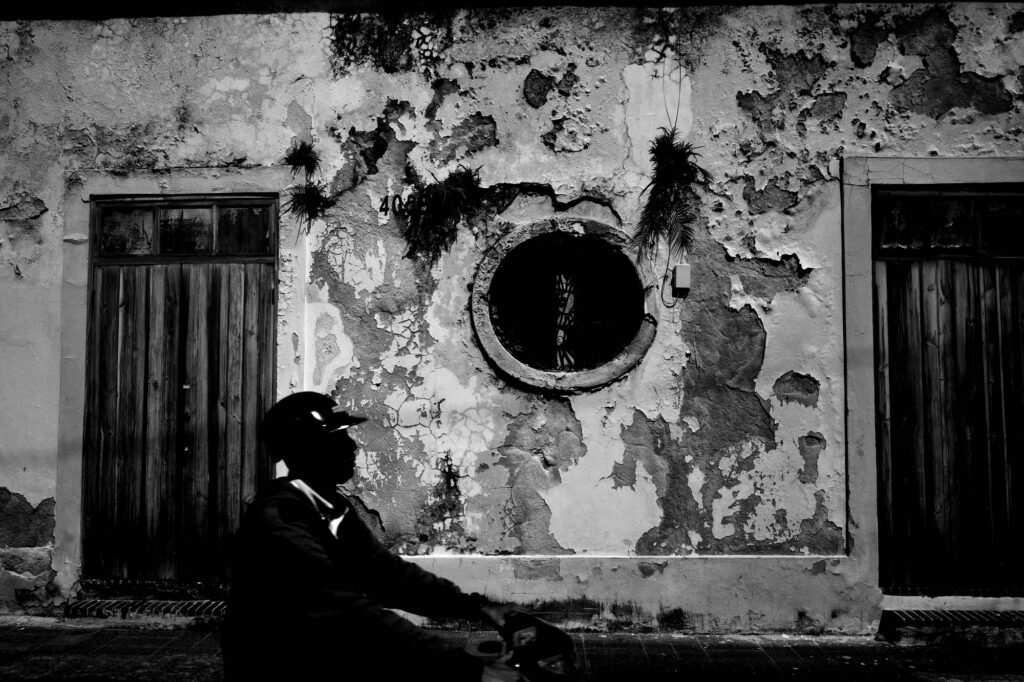
Adam Arenas went to Santo Domingo without a camera, came back with a Ricoh and a reason to return. His account of the Zona Colonial, in
Adam Arenas went to Santo Domingo without a camera, came back with a Ricoh and a reason to return. His account of
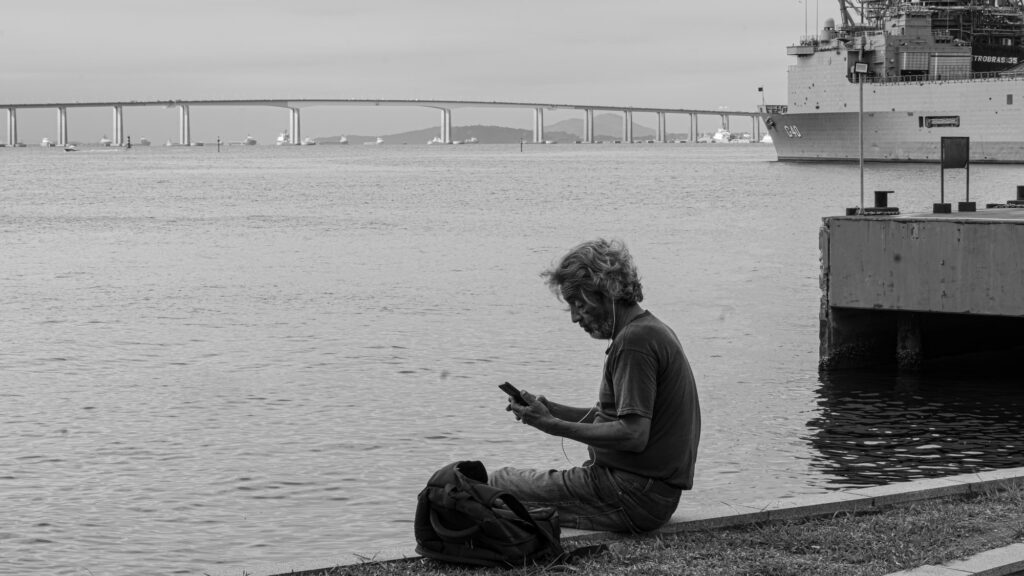
Flavia Silva walked the port district of Rio de Janeiro on a gray July Wednesday and came home with twelve pictures in
Bojan Fürst set out to profile seventy Newfoundlanders and Labradorians for the seventieth anniversary of the province joining Canada. He finished twenty
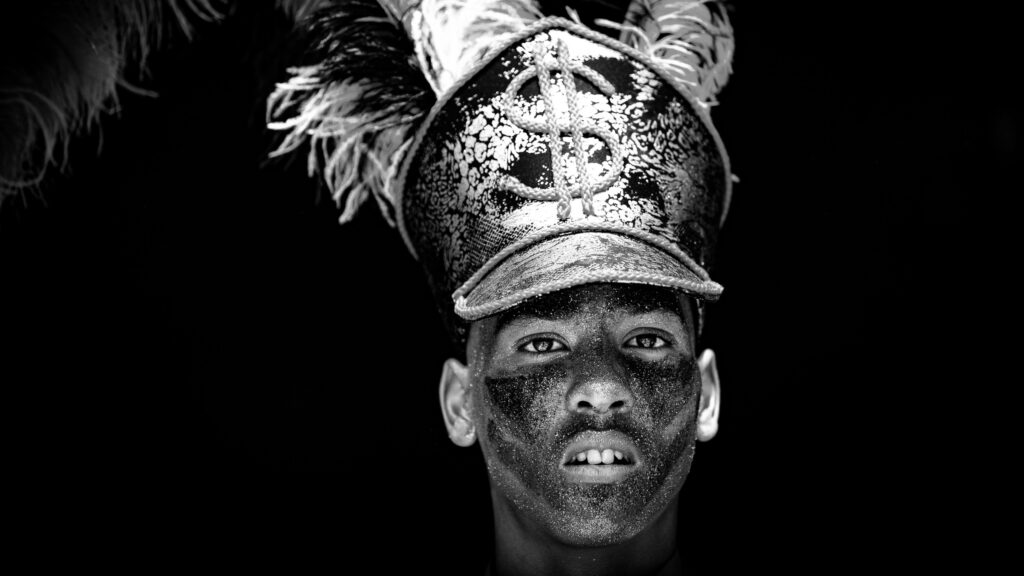
Ajay Lalu stopped at the Kaapse Klopse on his way home from a photo walk. Three years later, after earning his way
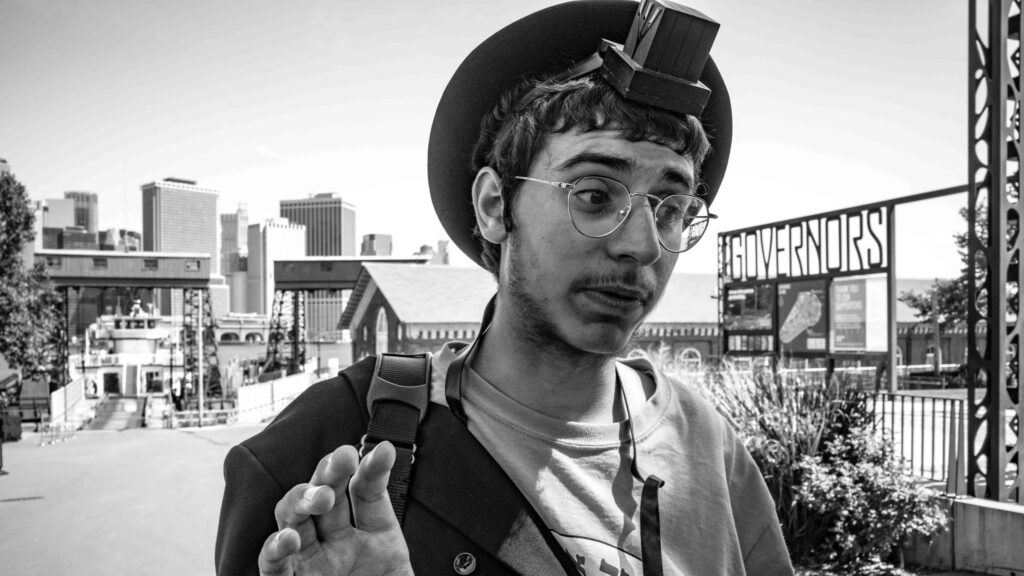
A retired rabbi turned street photographer stumbled onto a Brooklyn Chabad camp trip on a ferry to Governors Island. What he found
Rob Sutherland is a commercial and landscape photographer who has shot a photo a day for sixteen years. On a family trip
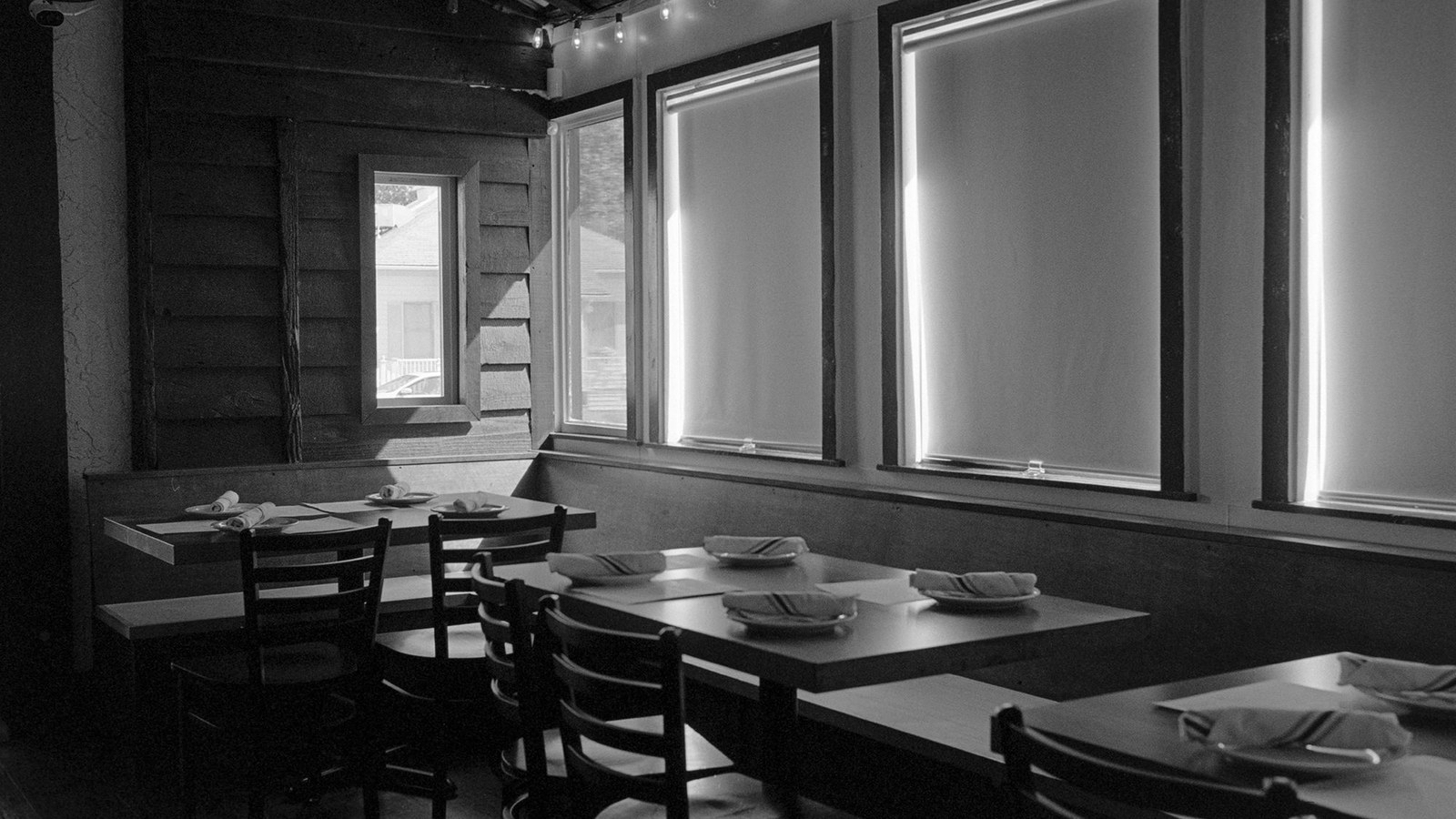
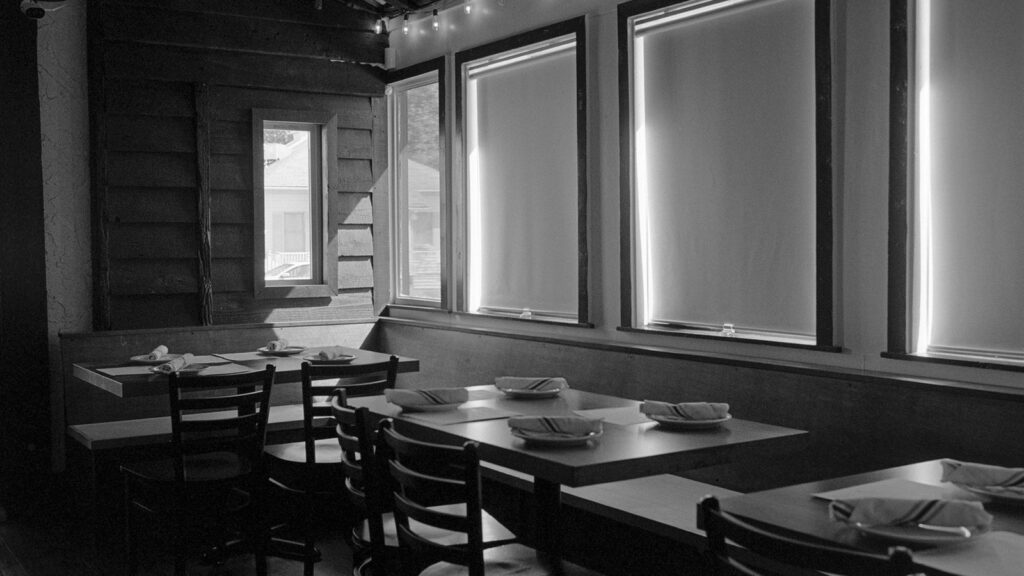
David Mullin photographed the empty tables at his family favorite restaurant on a Leica M6, and the picture became his test of
Neil McShane made this photograph from a bench in his front garden in 2022, while recovering from sepsis with a Fuji X-T20
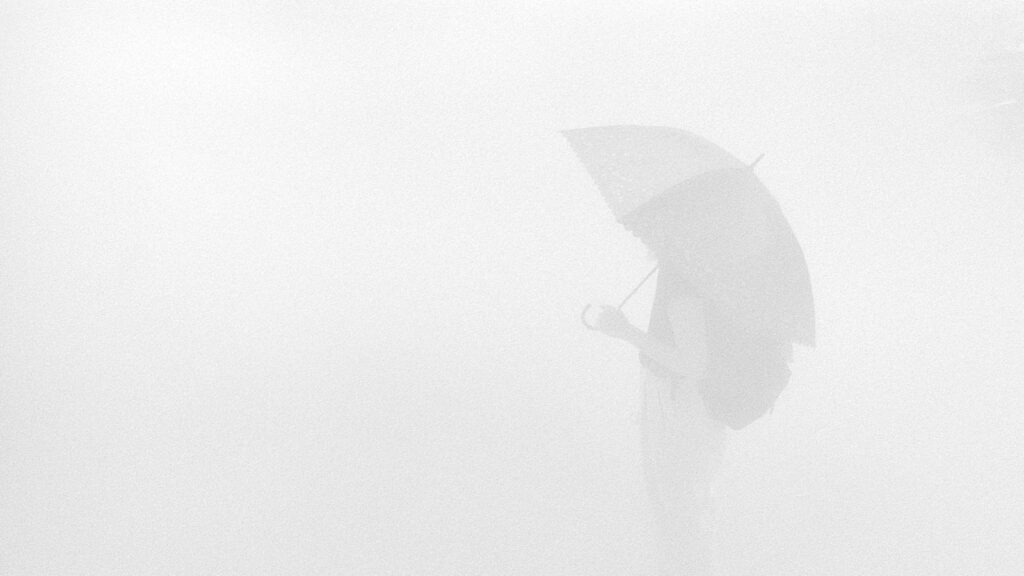
A figure appears in the mist at the Osaka Expo, caught on a Leica M3 loaded with Ilford Delta 3200. Jasper Bancroft
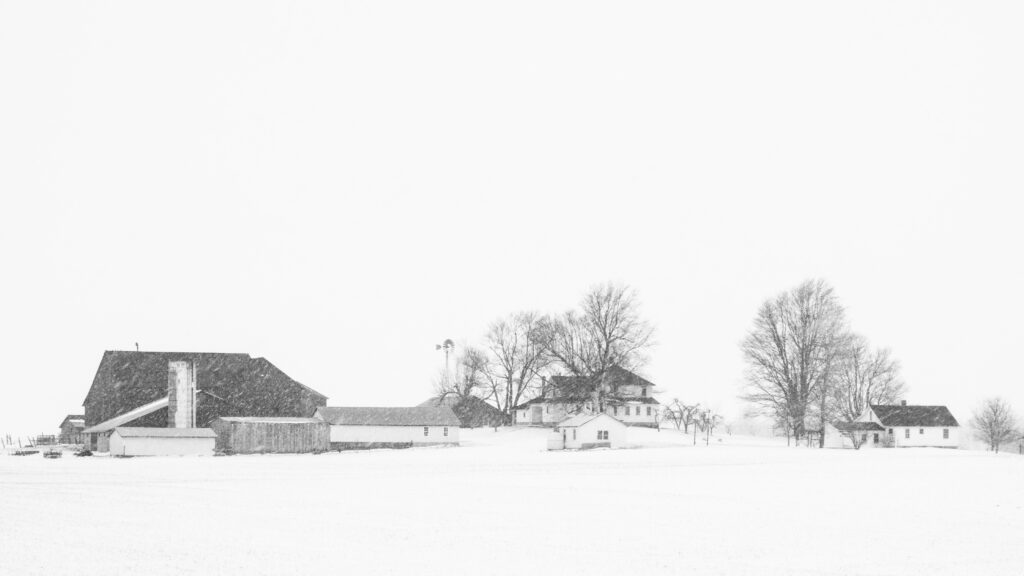
Mark Archibald had long kept a quarter mile gravel road in mind as a good sunset vantage point over an Amish farm
Michael Houghton and his wife fell in love with the Isle of Harris on their first visit in 2015 and have returned
Flora van Wageningen took a solo weekend to the mountains during a genuinely low point in her life, expecting nothing more than
Dani Rüede bought his first serious camera to photograph his watch collection. A Ricoh GR III turned him into a street photographer,
Danny Wong grew up understanding his family through photo albums. Now he carries one camera and one lens, photographs mood rather than
Kayleigh Morin started as an artist frustrated that drawing could not capture light the way she wanted. Self portraits led to photographing
Leighton Phillips describes his work as Urban Still Life, drawn to the mundane, the ignored, and the visually familiar rather than anything
Flora van Wageningen picked up a camera in her late thirties, restless and bored with the city she had settled in, and
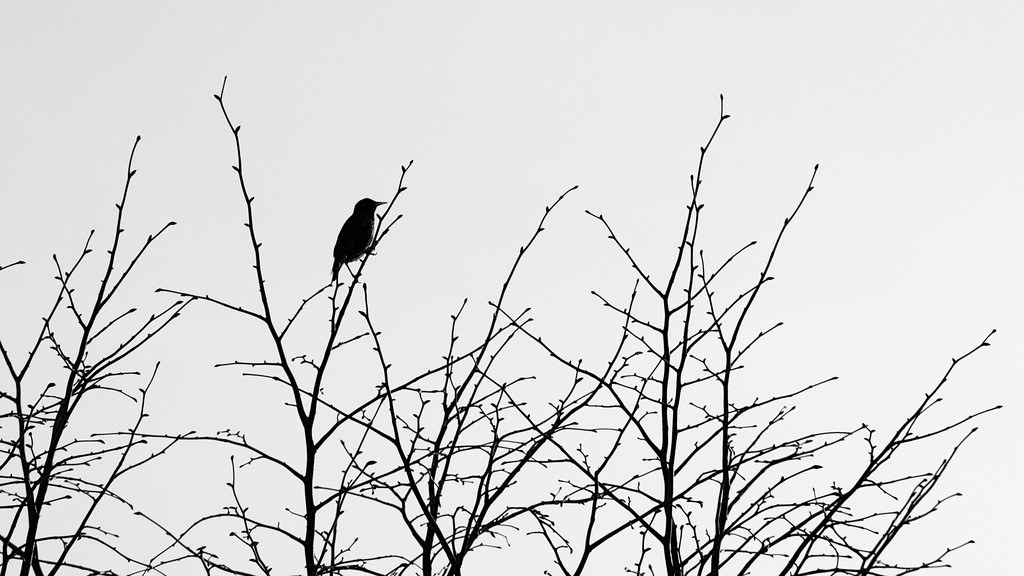
Damian Ward is drawn to woodland and solitary trees, especially in winter when the branches are bare, in a landscape he describes
Ask The Collective
Gear, light, composition, editing, printing, or how to see. Ask a question and get a human answer.
Ask your question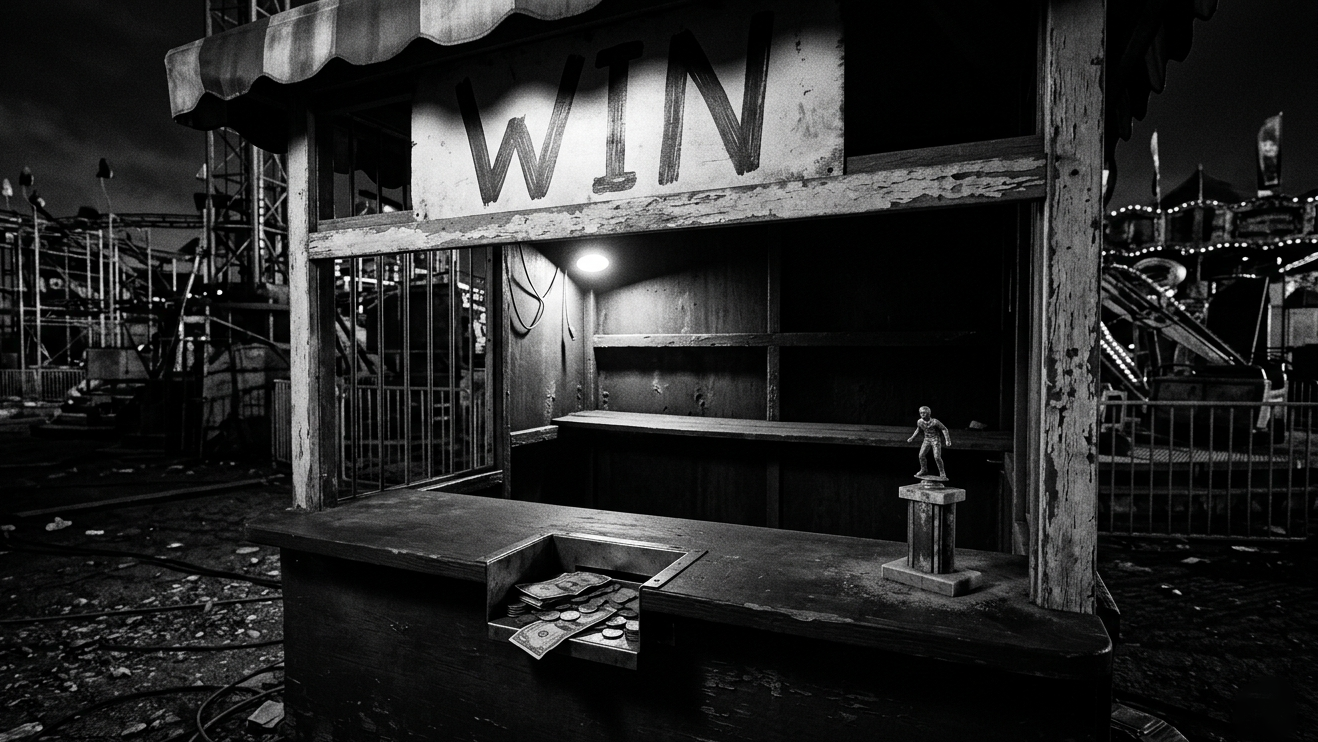
Photography contests look like opportunity. Some of them are. Most of them are something else entirely. Here is what the industry does not want you to think too hard about.
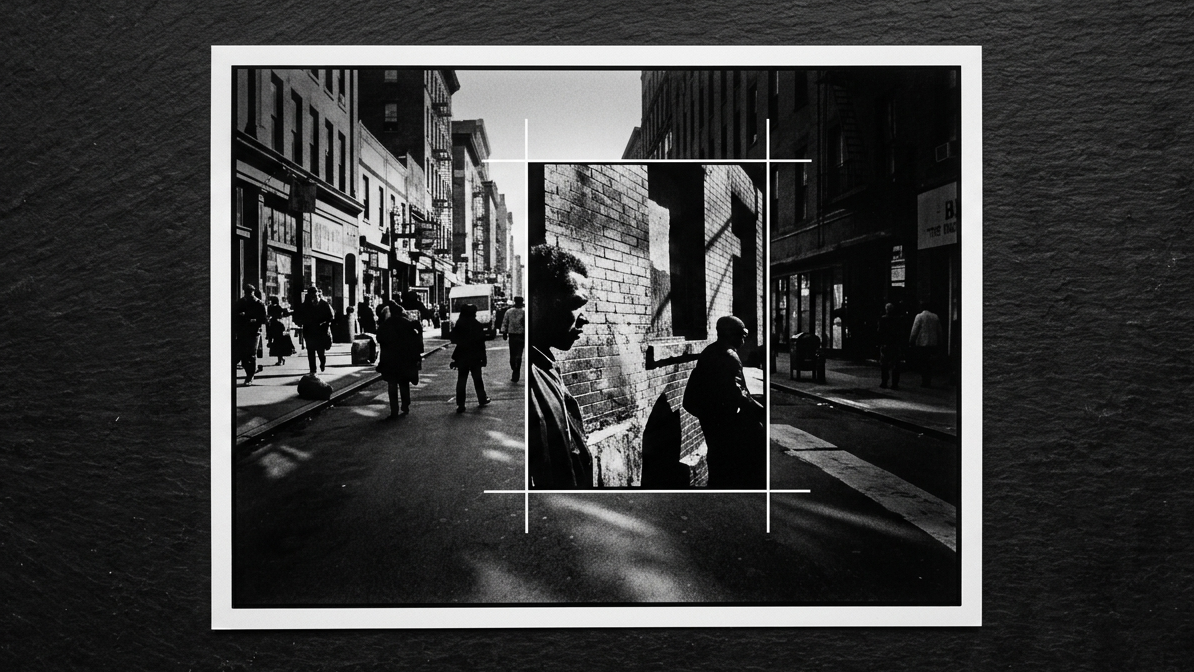
Somewhere along the way we decided that cropping a photograph was an admission of failure. It is not. It never was. And believing otherwise is costing you better images.
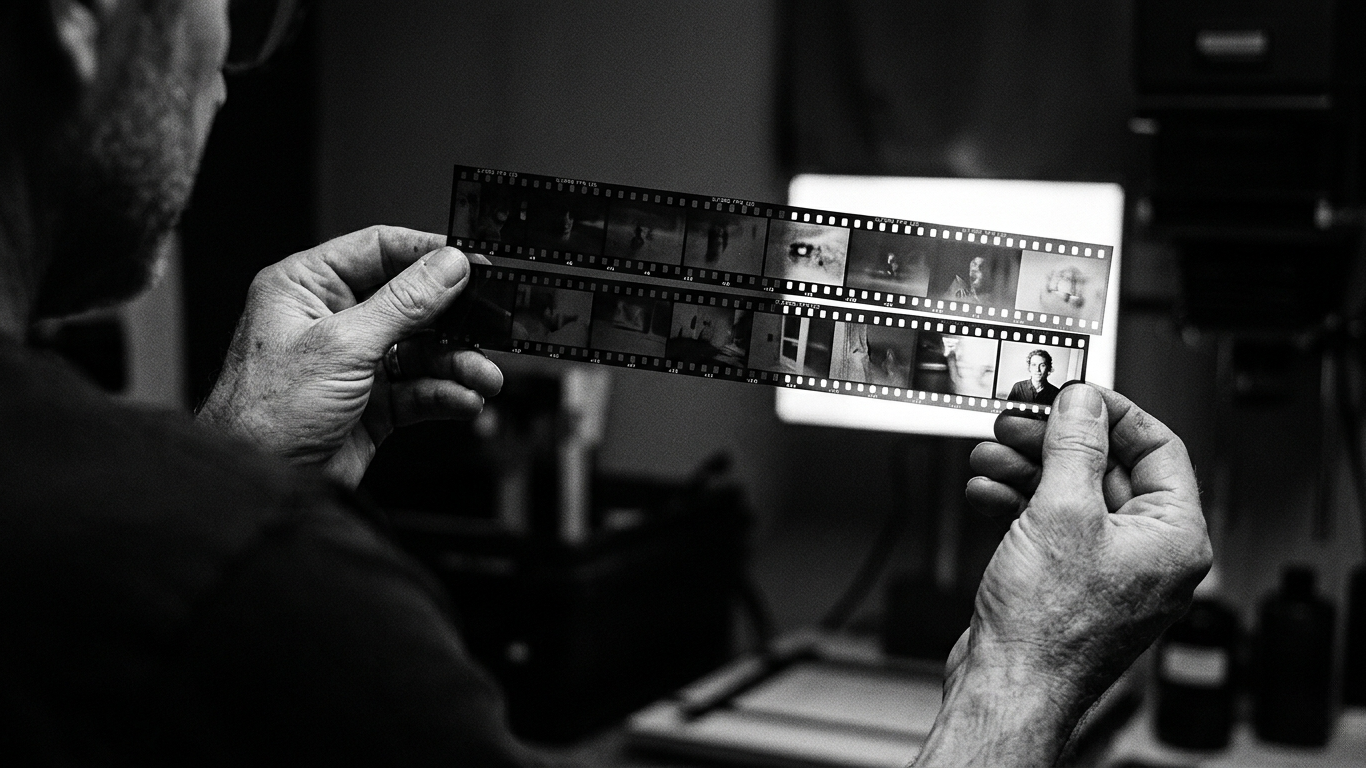
We delete our failures as quickly as we can. We should be studying them instead. The photographs that did not work are trying to tell you something important.
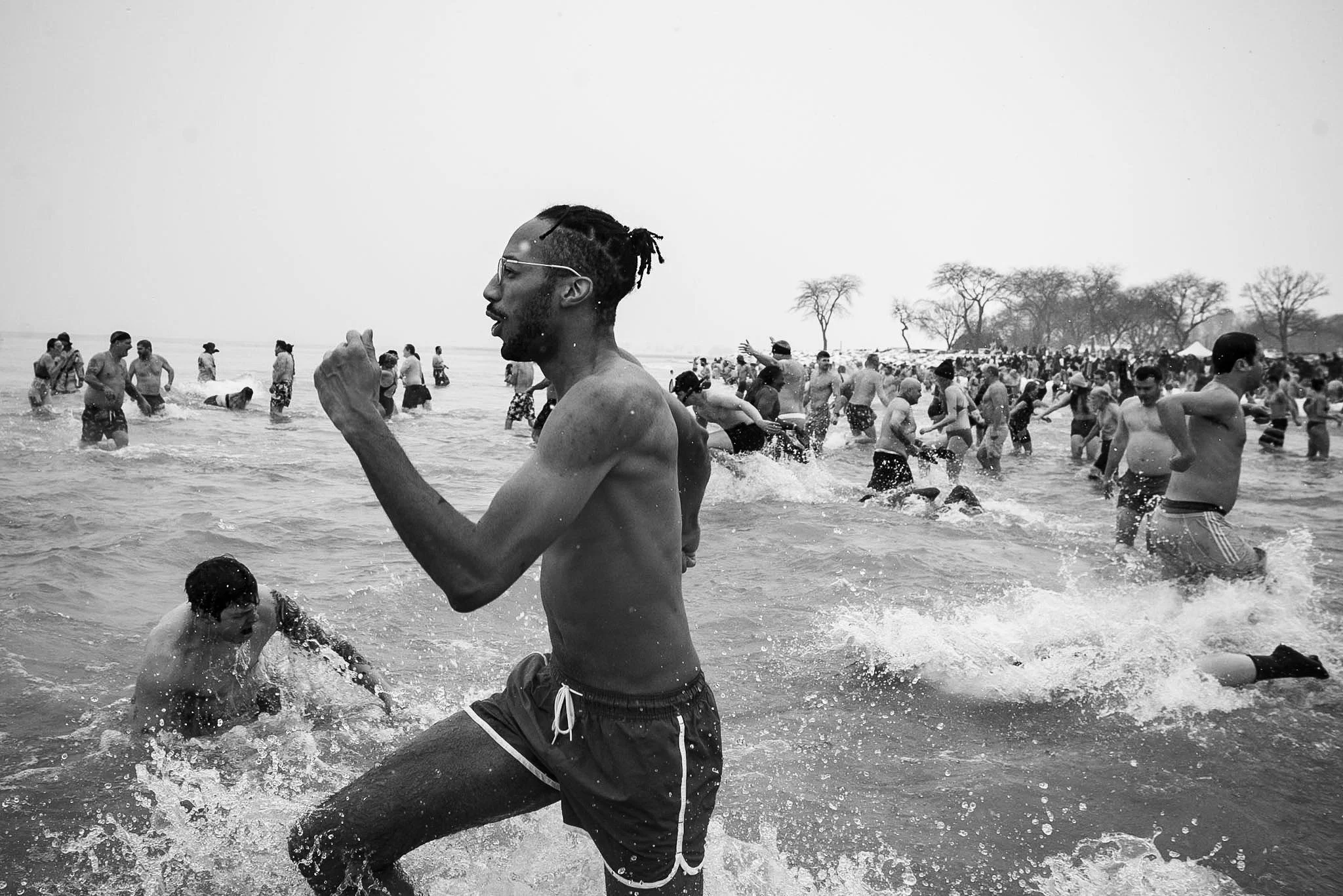
For over a century, Milwaukeeans have started their new year the hard way. André Saint Louis has spent the last four years documenting the chaos, the cold, and the characters who keep coming back.
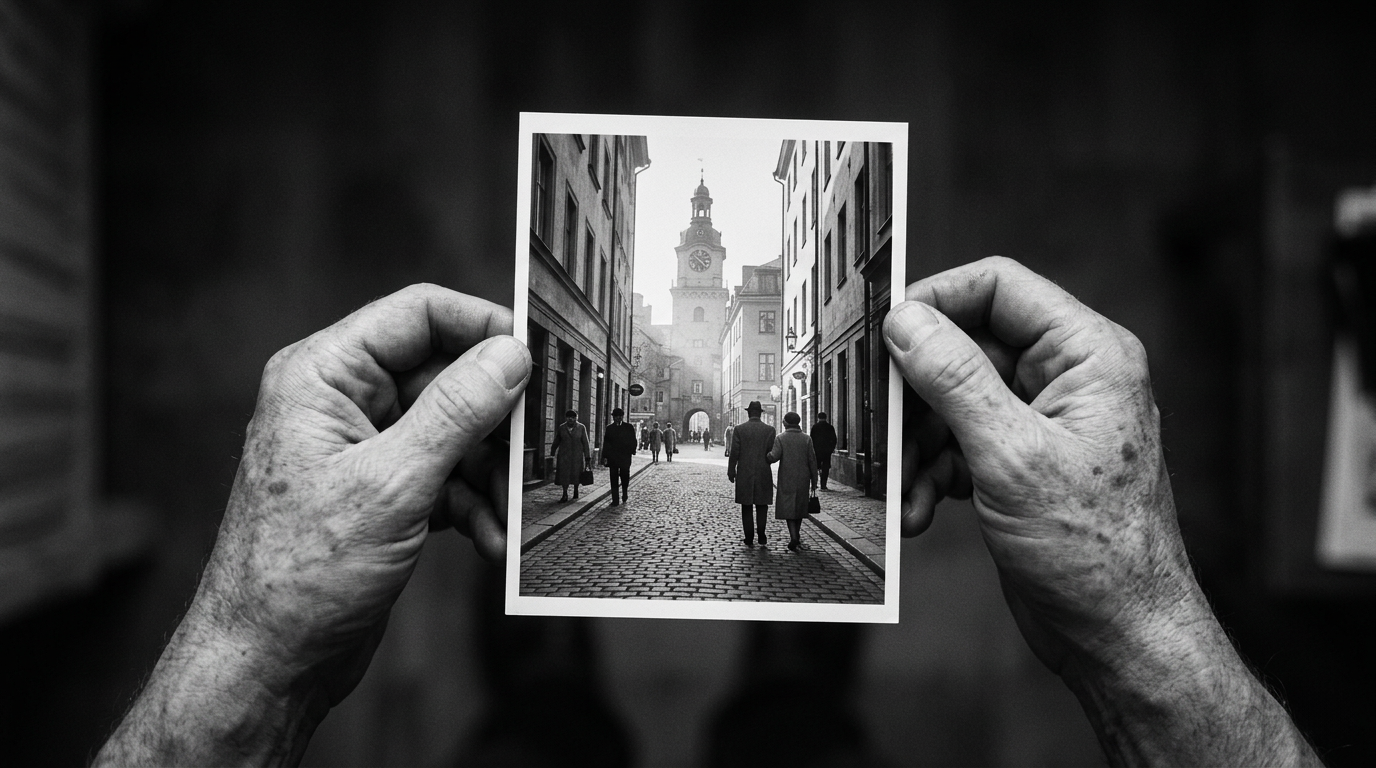
Most photographers will tell you they are just someone who takes pictures. They are wrong. And the reluctance to say otherwise is costing them more than they realise.
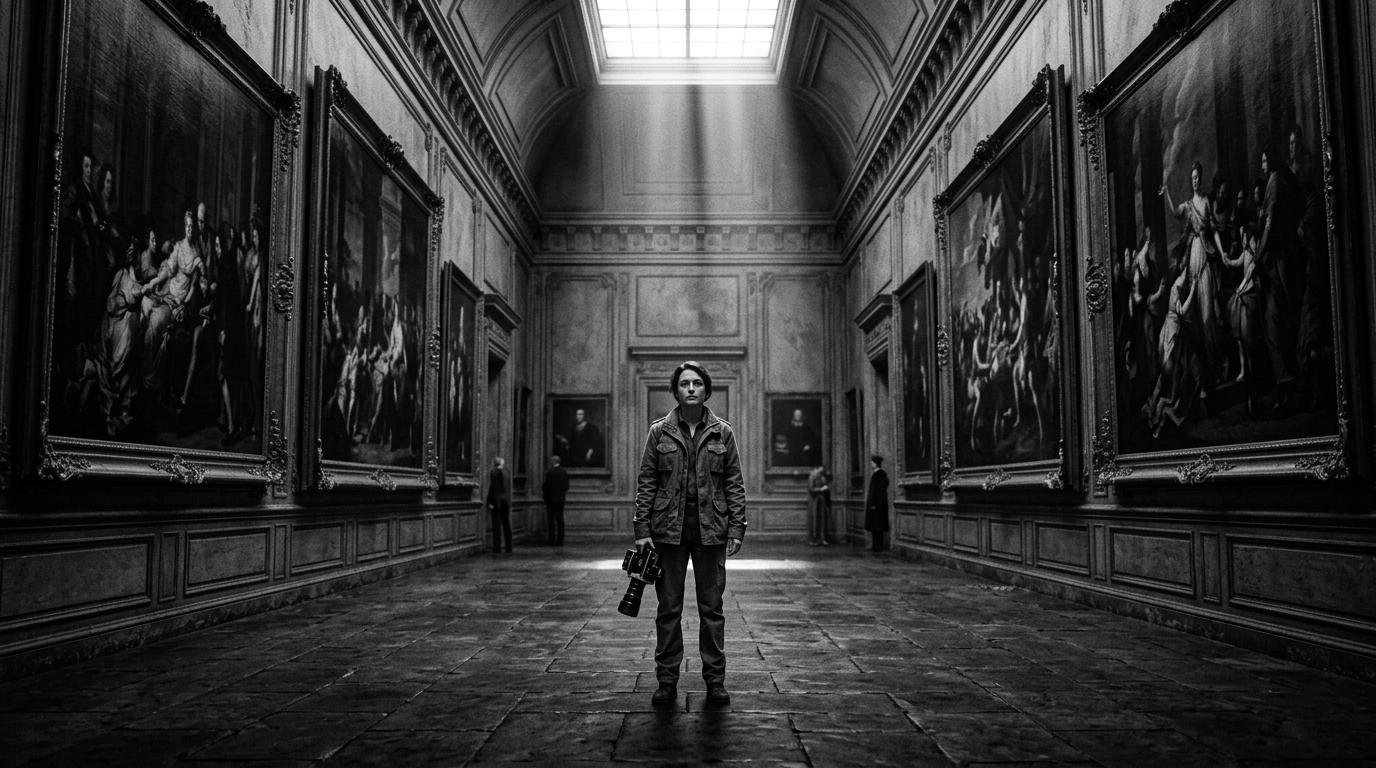
Painters feared it. Critics dismissed it. Institutions ignored it. For over a century, photography was not considered art. That fight was won. But it is not as over as you might think.
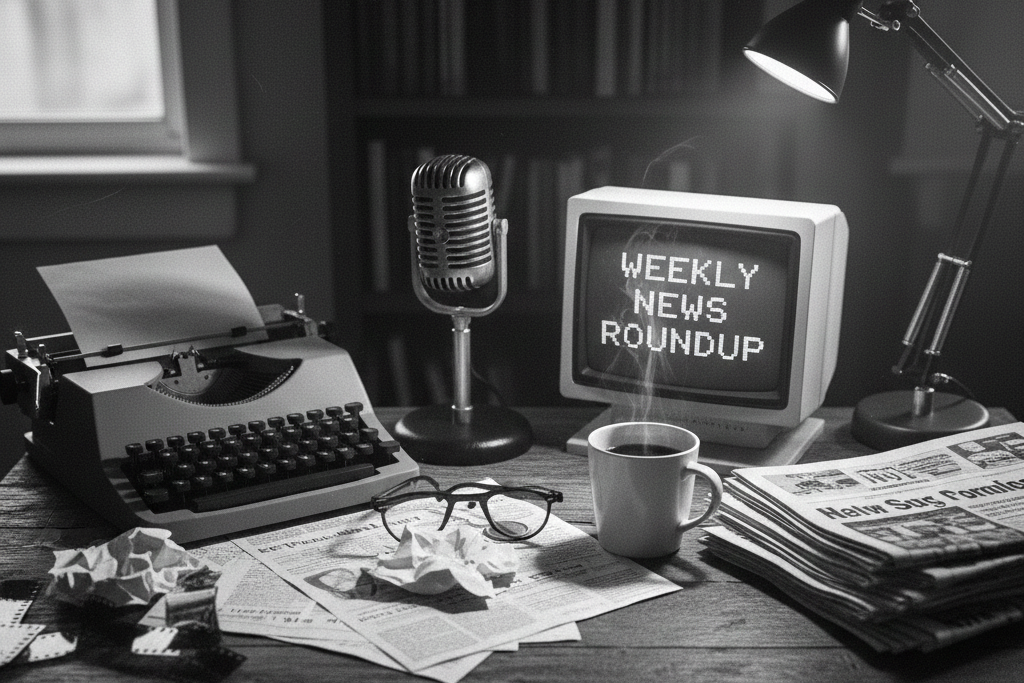
Adobe reaches a $150 million settlement with the Department of Justice, the Getty Museum acquires a landmark Irving Penn series, and there is new gear worth knowing about from Manfrotto and Laowa.
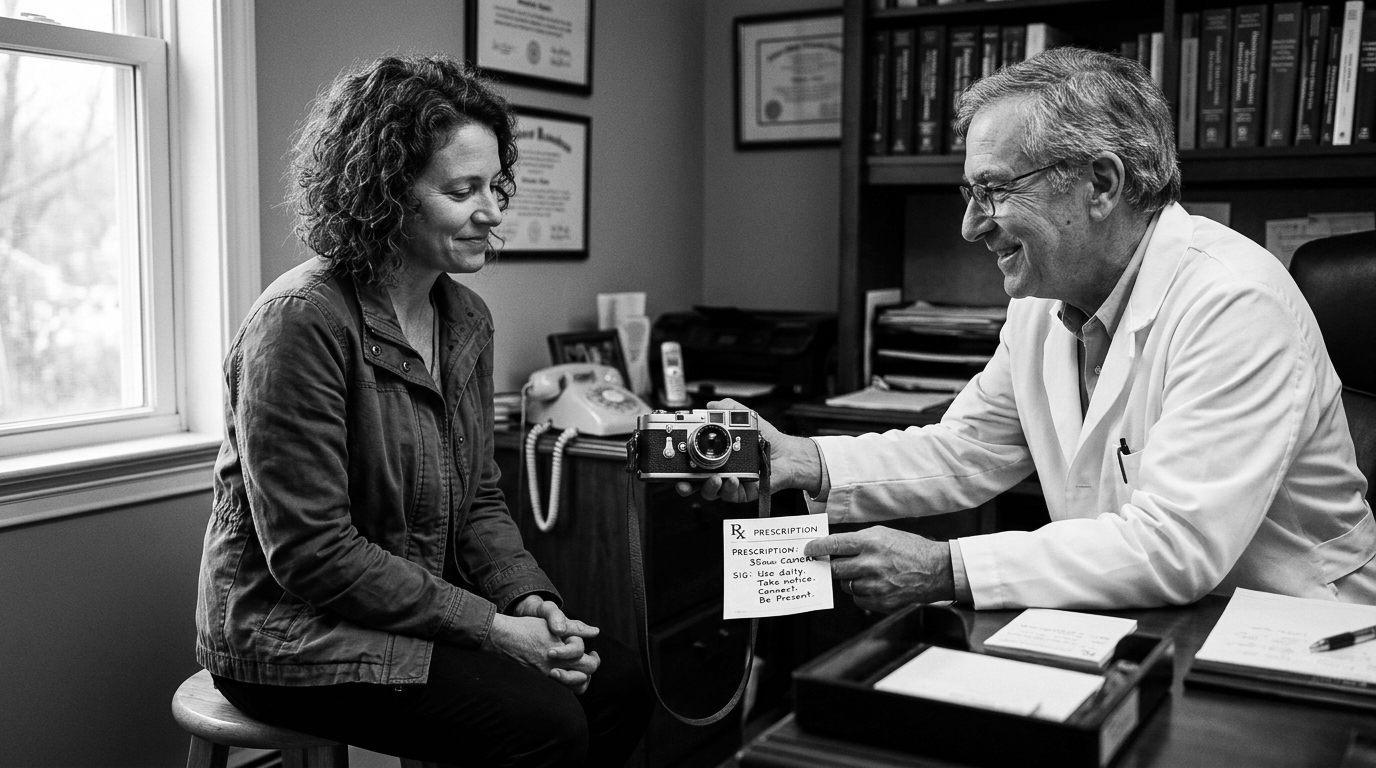
There is a moment that most photographers recognize. You step outside with a camera and something shifts. The noise in your head gets quieter. You start paying attention differently. For a long time this was just something photographers said to each other. A feeling. an intuition. Now there is a growing body of research that…
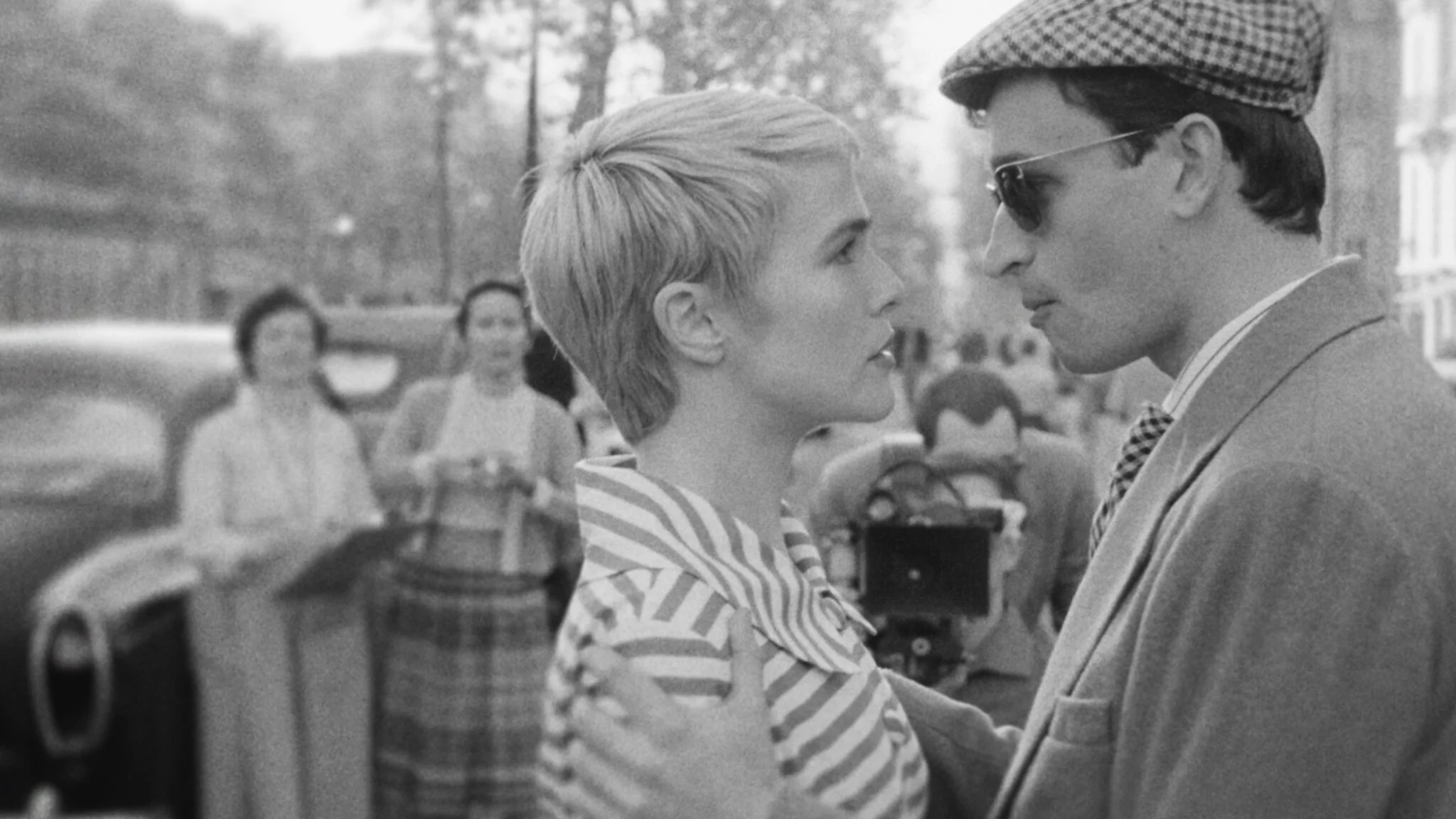
A new black and white film about the making of Breathless has more to teach photographers than it does filmmakers. Here is what to take from it.
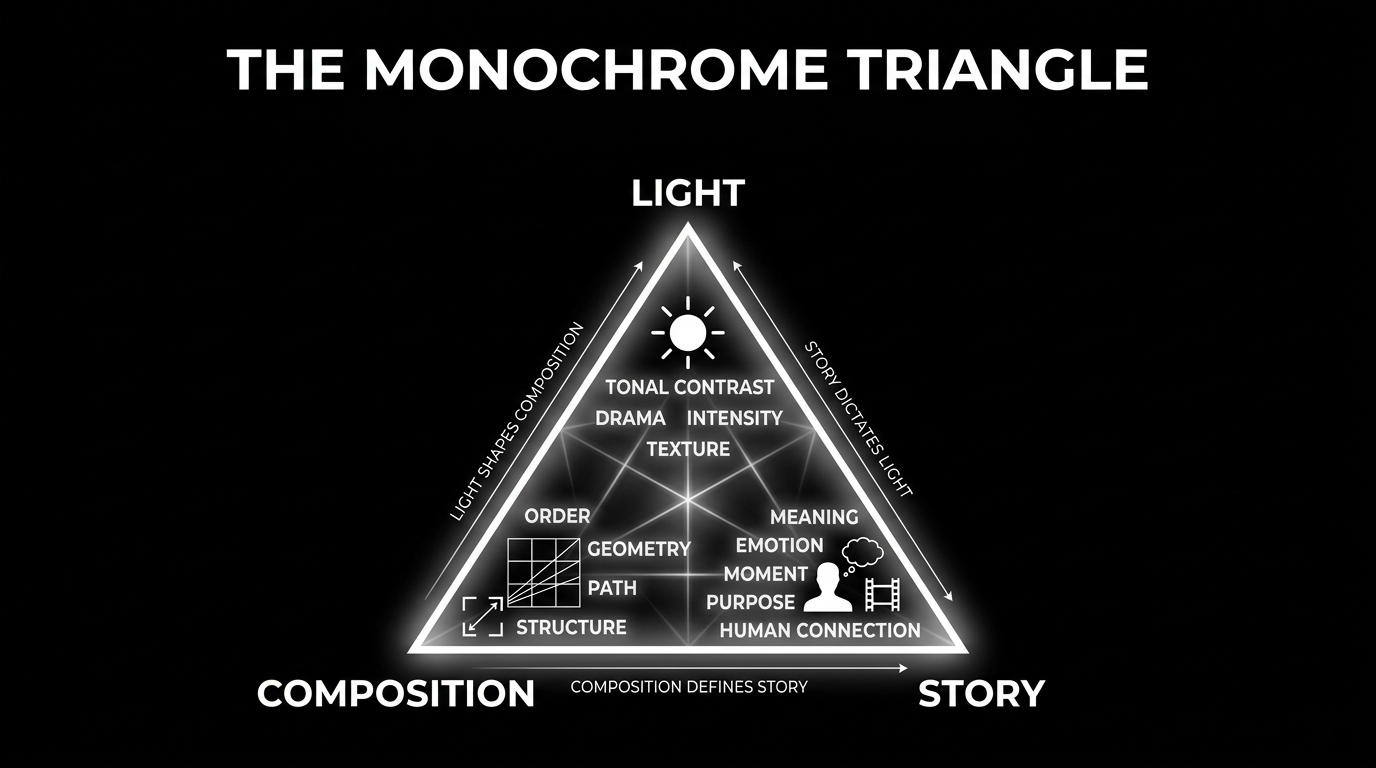
Most of us learned photography through the exposure triangle. Aperture, shutter speed, ISO. Three variables, each one affecting the others. There is a second triangle. The Monochrome Triangle. Every time a photograph stops us in our tracks, all three points are working. Every time a photograph falls flat, at least one of them has failed.